
The Short Answer: Yes, toor dal and arhar dal are 100% the exact same lentil. Both terms refer to split yellow pigeon peas (Cajanus cajan); “Toor Dal” (or Tuvar Dal) is widely used across Western and Southern India, whereas “Arhar Dal” is the preferred name across Northern and Eastern India.
Regional Names of Pigeon Pea Across India
| Region / Language | Regional Name for Split Dal | Regional Name for Whole Pod / Seed |
| Hindi | Arhar Dal / Toor Dal | Arhar / Tuvar (अरहर / तूर) |
| Tamil | Tuvaram Paruppu (துவரம் பருப்பு) | Tuvarai |
| Telugu | Kandhi Pappu (కంది పప్పు) | Kandulu |
| Kannada | Togari Bele (ತೊಗರಿ ಬೇಳೆ) | Togari |
| Marathi | Tur Dal (तूर डाळ) | Tur |
| Bengali | Arhar Dal (অড়হর ডাল) | Arhar |
| Gujarati | Tuver Dal (તુવેર દાળ) | Tuver |
| Malayalam | Thuvaraparippu (തുവരപ്പരിപ്പ്) | Thuvara |
Cooking & Soaking Duration Quick Reference
| Preparation Method | Soaking Time | Cooking Device | Whistles / Duration |
| Unsoaked Split Dal | 0 minutes | Standard Pressure Cooker | 4–5 whistles (Medium Heat) |
| Soaked Split Dal | 20–30 minutes | Standard Pressure Cooker | 3 whistles (Medium Heat) |
| Soaked Split Dal | 30 minutes | Instant Pot / Electric Cooker | 8 minutes (High Pressure, Natural Release) |
| Unsoaked Open Pot | 0 minutes | Heavy Stovetop Handi | 35–45 minutes (Boiling with lid) |
| Whole Pigeon Peas (Sabut) | 6–8 hours (Nighstep) | Standard Pressure Cooker | 6–7 whistles |
If you have ever stood in a grocery store aisle scratching your head while staring at two bags labeled “Toor Dal” and “Arhar Dal,” you are definitely not alone! Grocery shopping in India—or at an Indian supermarket abroad—comes with its own delightful maze of regional names, linguistic tweaks, and specialized kitchen terms. You might be following a comforting Sambar recipe calling for Toor Dal, only to find a packet labeled Arhar Dal in your kitchen pantry.
So, what is the real story behind toor dal vs arhar dal? Are they rivals, distant cousins, or identical twin pulses wearing different regional tags?
Grab a warm cup of chai, because in this complete grocery guide, we are untangling the entire web of yellow lentils once and for all. From regional translations and botanical facts to pressure cooking secrets and delicious regional curries, here is everything you need to know about India’s favorite daily staple.
1. Quick Answer: Are Toor Dal and Arhar Dal the Same Pulse?
Let’s solve the mystery right at the start so you can finish your grocery cart with total confidence!
When comparing toor dal vs arhar dal, the answer is crisp and clear: Yes, arhar dal and toor dal are completely identical. They come from the exact same plant, share the exact same botanical scientific name (Cajanus cajan), carry identical nutritional profiles, and cook up with the same buttery, earthy flavor profile.
The difference in wording is purely geographical and linguistic:
- Toor Dal (often spelled Tur Dal or Tuvar Dal) is the term you will hear most frequently in Maharashtra, Gujarat, Goa, and right across the Southern states of India.
- Arhar Dal is the predominant name used in Uttar Pradesh, Bihar, Punjab, Haryana, Madhya Pradesh, and Eastern India.
Whether your mother-in-law calls it Arhar or your favorite online grocery site lists it as Toor, you are buying the exact same split, skinless yellow pulse!
2. Why Do the Names Differ Across Indian Regions?
India is a land of incredible culinary diversity, where every state puts its own linguistic spin on everyday ingredients. The duality in the toor dal vs arhar dal naming convention comes down to historical language roots.
The word Arhar originates from classical Sanskrit roots (Adhaki), which evolved through Prakrit into the modern Indo-Aryan dialects spoken across North and East India. On the other hand, Toor or Tuvar traces its ancestry to Western and Central regional vernaculars, which closely linked with Dravidian terms in the South.
As trade routes expanded across the Indian subcontinent over centuries, regional markets retained their local names. When commercial packaging arrived in modern grocery stores, brands started printing both names—or switching between them depending on where the warehouse was located! This is why a simple comparison between toor dal vs arhar dal often confuses new cooks and global shoppers.
3. Whole Pigeon Pea vs. Split Toor Dal: Understanding Processing Stages
To master Indian grocery shopping, it helps to understand how the pulse transforms from the farm field into your cooking pot. The English umbrella term for this crop is Pigeon Pea.
The journey involves three distinct stages:
- Whole Raw Pods (Green Pigeon Peas): Harvested fresh from the plant, these look like small green pea pods. In Gujarati cuisine, these fresh pods are called Lilva and are used to make seasonal delicacies like Lilva Kachori or Gujarati Oundhiyu.
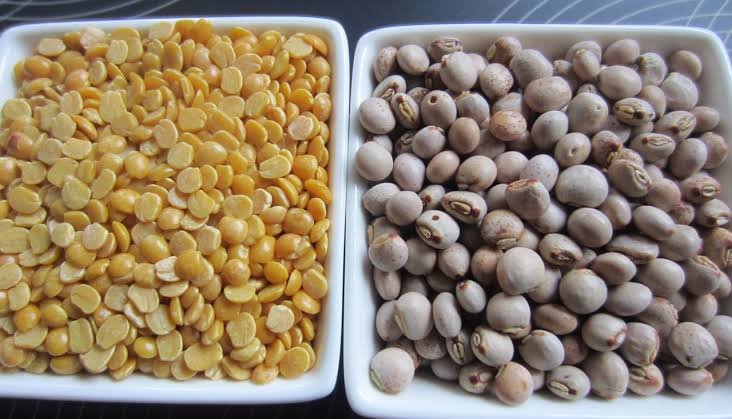
- Whole Dried Seeds (Sabut Arhar / Brown Pigeon Peas): When the seeds mature and dry on the plant, they develop a brownish, speckled outer seed coat. This whole form is known as Sabut Arhar or whole pigeon peas.
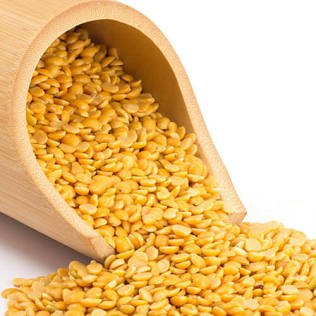
- Split Yellow Pulses (Toor/Arhar Dal): To make the familiar yellow kitchen staple, the whole dried pigeon pea undergoes milling. The tough brown outer skin is de-husked, and the inner yellow cotyledon is split into two halves. This split, skinless yellow lens is what we cook daily!
When evaluating toor dal vs arhar dal at the store, you are virtually always looking at Stage 3: the dehusked, split yellow legume.
4. Linguistic Decoding: Names in Hindi, Tamil, Telugu, Kannada, Marathi & Bengali
If you are translating recipes from different regional cookbooks, here is a quick linguistic breakdown to help you navigate Indian grocery terms seamlessly.
Pigeon Peas Meaning in Hindi
The literal pigeon peas meaning in Hindi is Arhar (अरहर) or Tuvar (तूर). When referring to the harvested legume plant or whole dried seed, Hindi speakers call it Arhar. When referring to the split cooking pulse, it is called Arhar Dal or Toor Dal.
Southern & Regional Languages
- Tamil (Tuvaram Paruppu): Paruppu translates to dal, making Tuvaram Paruppu the main star of South Indian Sambar and Rasam.
- Telugu (Kandhi Pappu): In Andhra Pradesh and Telangana, Pappu means dal, and Kandhi Pappu forms the base of iconic dishes like Kandhi Podi and Pappu Charu.
- Kannada (Togari Bele): In Karnataka, Bele stands for lentil, making Togari Bele the foundation for comforting Bisi Bele Bath.
- Marathi (Tur Dal): Maharashtra relies heavily on Tur Dal for making spicy Katachi Amti and everyday Varan.
- Bengali (Arhar Dal): Bengali kitchens predominantly use the term Arhar Dal, cooked gently with wild spices like Panch Phoron.
Understanding these cross-regional terms makes it obvious that any debate regarding toor dal vs arhar dal is just a matter of regional vocabulary!
5. What to Look for on a Grocery Packet: Oiled vs. Unoiled Dal
When browsing the pulse aisle on grocery-bazaar.com or at your local supermarket, you will notice two main physical varieties of split pigeon peas: Oiled Toor Dal and Unoiled (Plain) Toor Dal.
What is the difference, and which one should you choose?
Oiled Toor Dal (Polished with Castor Oil)
- What it is: The split dal is lightly coated with natural food-grade castor oil during processing.
- Why it’s done: Castor oil acts as a natural preservative, protecting the lentils from moisture, mold, and insect infestations during long storage or shipment.
- Appearance: Appears shiny, glossy, and slightly darker yellow.
- Cooking Note: Must be washed thoroughly in warm water 3 to 4 times to strip away the oil coating before cooking, otherwise it might alter the dish’s flavor.
Unoiled / Dry Toor Dal (Organic or Plain)
- What it is: Cleaned split lentils packed directly without any oil coating or heavy artificial polishing.
- Why it’s done: Preferred by health-conscious consumers who want pure pulses ready for quick rinsing.
- Appearance: Matte finish, bright yellow, and slightly dusty.
- Cooking Note: Requires a simple, quick rinse before going straight into your pressure cooker or pan.
Pro Grocer Tip: If you buy dal in bulk to store for 6–12 months, oiled dal offers better long-term shelf defense. If you consume dal quickly on a weekly basis, choose unoiled organic arhar dal for maximum cooking convenience!
6. Toor Dal Cooking and Soaking Duration Secrets
Cooking split pigeon peas to a smooth, velvety consistency is a staple technique in Indian culinary traditions. Because toor dal has a dense cellular structure compared to lighter lentils like moong dal, proper soaking and heat management are key.
Why You Should Always Soak Toor Dal
Soaking split pigeon peas for at least 20 to 30 minutes before cooking offers three big benefits:
- Reduces Cooking Time: Soaking softens the dry fibers, saving fuel and pressure cooker time.
- Improves Digestion: Soaking breaks down complex sugars (oligosaccharides) and phytic acid, reducing bloating or gas.
- Enhances Texture: Soaked dal cooks down into a uniform, creamy puree without leaves or hard un-cooked centers.
Step-by-Step Stovetop Pressure Cooker Guide
- Rinse: Wash 1 cup of toor dal thoroughly under cold water until the water runs clear.
- Soak: Submerge in 2 cups of warm water for 25 minutes; drain completely.
- Water Ratio: Combine 1 cup of soaked dal with 3 cups of fresh water in your pressure cooker. Add 1/2 tsp turmeric powder, 1/2 tsp salt, and a drop of ghee (ghee prevents the water from frothing over the steam vent!).
- Cook: Pressure cook on medium heat for 3 whistles. Allow the pressure to release naturally.
- Whisk: Open the lid and use a traditional wooden whisk (madhani) to blend the dal into a smooth, silky base.
7. Toor Dal vs Moong, Masoor, and Chana Dal: Spotting the Difference
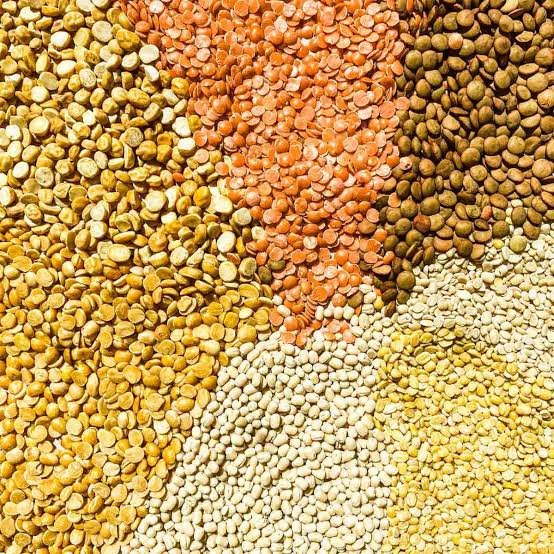
It is easy to mix up yellow lentils if you are new to Indian pantries! Here is a simple breakdown comparing toor dal vs arhar dal against other common yellow/red pulses:
+-----------------------------------------------------------------------+
|                       POPULAR INDIAN DALS                             |
+-------------------+-------------------+-------------------------------+
| Dal Name          | Physical Shape    | Distinct Features & Uses      |
+-------------------+-------------------+-------------------------------+
| Toor / Arhar Dal  | Thick, round-ish  | Flat on one side, nutty flavor|
|                   | yellow disc       | Ideal for Sambar & Dal Fry    |
+-------------------+-------------------+-------------------------------+
| Yellow Moong Dal  | Small, thin, flat | Pale yellow, cooks super fast |
|                   | split oval        | Easy to digest, used in Khichdi|
+-------------------+-------------------+-------------------------------+
| Chana Dal         | Large, thick,     | Looks like miniature chickpeas|
|                   | convex yellow split| Stays firm, sweet nutty bite |
+-------------------+-------------------+-------------------------------+
| Red Masoor Dal    | Small, flat       | Salmon-orange when raw, turns |
|                   | orange disc       | yellow when cooked; fast cook |
+-------------------+-------------------+-------------------------------+
When comparing toor dal vs arhar dal against Chana dal, note that Chana dal is thicker, takes much longer to cook, and retains a firm texture. Yellow Moong dal, by contrast, cooks in half the time and breaks down into a light porridge consistency.
8. Best Uses in Indian Cooking: From South Indian Sambar to Gujarati Dal
Split pigeon peas are incredibly versatile, absorbing aromatic spices and acidic agents like tamarind, kokum, or fresh tomatoes with ease. Here is how different regions bring this humble pulse to life:
1. South Indian Sambar
Sambar is a tangy, spiced lentil and vegetable stew served with idlis, dosas, or steamed rice. Cooked toor dal provides the rich body, balanced by tamarind pulp, sambar powder, mustard seeds, curry leaves, and fresh drumsticks or shallots.
2. North Indian Dal Tadka & Dal Fry
The ultimate comfort food across North Indian dhabas and homes! Arhar dal is boiled soft with turmeric and salt, then finished with a aromatic temper (tadka) of ghee, cumin seeds, garlic, ginger, green chilies, and ripe tomatoes.
3. Maharashtrian Varan & Katachi Amti
In Maharashtra, festive meals begin with Varan Bhat—simple boiled tur dal served over hot rice with a dollop of pure ghee. During festivals like Diwali or Ganesh Chaturthi, the flavorful boiled dal water is transformed into Katachi Amti, a fiery, thin, sweet-and-tangy broth spiced with goda masala.
4. Gujarati Sweet & Sour Dal
Gujarati Toor Dal strikes a harmonious balance between sweet, sour, and spicy notes. Slow-cooked split pigeon peas are simmered with jaggery (gur), dried kokum or lemon juice, peanuts, ginger, and fresh coriander.
9. Best Substitutes When Toor Dal Is Unavailable
Ran out of split pigeon peas in the middle of preparing dinner? Don’t worry! While the exact flavor profile of split pigeon peas is unique, you can easily substitute it with other pantry pulses using these guidelines:
- Yellow Moong Dal (Best Quick Swap): Cooks extremely quickly and offers a gentle, creamy texture. Perfect for rasam, simple dals, or light soups.
- Red Masoor Dal (Best Texture Swap): Though salmon-pink in the packet, red masoor cooks down to a yellow color and offers a rich, earthiness similar to arhar dal.
- Chana Dal + Yellow Moong Dal (50:50 Blend): Mixing equal parts chana dal (for nutty flavor and body) with yellow moong dal (for quick creaminess) mimics the thickness and bite of cooked toor dal remarkably well!
When swapping in recipes calling for toor dal vs arhar dal, adjust your pressure cooking times: moong dal needs fewer whistles, while chana dal requires extra soaking and cooking time.
10. Storage Tips and Signs of Spoilage
Proper storage keeps your pulses fresh, nutritious, and free from pests for years. Follow these kitchen management tips:
Smart Storage Practices
- Airtight Containers: Store your lentils in clean, dry glass jars, food-grade PET containers, or stainless-steel canisters.
- Keep Moisture Away: Always use a completely dry spoon when scooping out dal. High humidity is the primary cause of clumped, spoiled pulses.
- Natural Insect Repellents: Toss 2–3 dried bay leaves (tej patta), whole dried red chilies, or a few cloves of raw garlic into your dal storage container. These act as natural pest deterrents without chemical sprays.
- Cool, Dark Pantry: Keep containers away from direct sunlight or steam vents near your kitchen stove.
Signs That Your Dal Has Gone Bad
- Pest Infestation: Small web-like structures or tiny black/brown grain weevils (sursuri) moving inside the container.
- Off Odor: A stale, musty, or sour smell instead of a clean, earthy scent.
- Discoloration & Mold: Visible white powdery residue, dark spots, or green mold caused by accidental moisture exposure.
If your stored lentils show any of these signs, it’s best to discard the batch and restock fresh pulses from grocery-bazaar.com!
11. Frequently Asked Questions (FAQs)
Q1. Is arhar dal and toor dal same in all aspects?
Yes! As explored in our toor dal vs arhar dal guide, both terms refer to split yellow pigeon peas (Cajanus cajan). They share identical nutritional values, cooking techniques, and taste profiles.
Q2. What is the pigeon peas meaning in Hindi?
The Hindi term for pigeon peas is Arhar (अरहर) or Tuvar (तूर). The split lentil form used in daily cooking is called Arhar Dal or Toor Dal.
Q3. Can diabetic patients consume toor dal daily?
Yes, absolutely! Split pigeon peas have a low Glycemic Index (GI) and are packed with dietary fiber, complex carbohydrates, and plant protein. This combination helps stabilize blood sugar levels by slowing glucose absorption.
Q4. Is toor dal heavy to digest?
Compared to split yellow moong dal, toor dal is slightly heavier on the digestive system. However, soaking the pulse for 20–30 minutes before cooking and tempering it with digestive spices like asafoetida (hing), cumin seeds (jeera), and ginger makes it easy on the stomach.
Q5. Why does my toor dal take so long to cook?
If your split pigeon peas remain hard even after multiple whistles, common causes include using hard water high in minerals, skipping the soaking step, or using very old stock. Adding a tiny pinch of baking soda or soaking the dal in warm water for 30 minutes solves this issue instantly!
The Wrap-Up: Simplify Your Grocery Shopping with Grocery-Bazaar!
Now that you know the truth behind toor dal vs arhar dal, you can shop for your daily Indian groceries with complete ease and peace of mind! Whether your family recipe calls for Toor Dal, Arhar Dal, or Split Yellow Pigeon Peas, remember that you are getting the exact same wholesome, protein-rich pulse that has nourished Indian homes for generations.
Looking for farm-fresh, premium-quality unpolished pulses delivered right to your doorstep? Explore our wide range of organic dals, spices, and everyday staples at grocery-bazaar.com today!
See Also
Tuar daal Vs Chana daal || Difference between Tuar dal and Chana dal
Toor Dal (तुवर दाल) vs Masoor Dal (मसूर दाल) | किस दाल में ज्यादा Nutrition है?
Chana Dal vs Split Chickpeas: Are They the Same Grocery Item?
Besan vs Chickpea Flour vs Gram Flour: Are They Really the Same?