
Whether you are preparing a rich South Indian coconut chutney, adding a spoonful of fresh grated coconut to your morning poriyal, or cooking up a delicious coastal curry, coconut is an indispensable staple in Indian kitchens. However, we have all faced that common kitchen dilemma: you break open a fresh brown coconut (nariyal), use half of it for cooking, and leave the rest on the kitchen counter. Within a day or two, that beautiful white flesh turns dry, yellow, or develops a unpleasant sour odor.
Learning how to store cut coconut in fridge properly is the ultimate secret to zero food waste and long-lasting freshness. Fresh coconut contains a high concentration of natural oils and moisture. Once exposed to oxygen, these natural fats begin to oxidize, making the flesh prone to rancidity, souring, and mold growth.
In this comprehensive guide, we will break down exact storage techniques for unopened, cut, and shredded coconut. You will discover practical kitchen hacks, step-by-step freezing methods, shelf-life cheat sheets, and pro tips to preserve that sweet, tropical flavor for months.
1. Quick Answer: Storage Method & Shelf-Life by Coconut Form
If you are in a rush and need a quick answer on how to preserve your fresh coconut, here is a quick reference table targeting every format.
Coconut Storage & Shelf-Life Matrix
| Coconut Form | Best Storage Location | Container Type | Expected Shelf-Life |
| Unopened Brown Coconut | Cool pantry or fridge crisper | Open air (Dry shelf) | 1 to 2 weeks at room temp; up to 1 month in fridge |
| Cut Coconut Pieces (Dry) | Main fridge compartment | Airtight glass/plastic container | 3 to 4 days |
| Cut Coconut Pieces (In Water) | Main fridge compartment | Submerged in clean filtered water | 7 to 10 days (change water daily) |
| Grated Coconut (Refrigerated) | Coldest fridge shelf | Airtight container or ziplock bag | 4 to 5 days |
| Grated Coconut (Frozen) | Deep freezer (-18°C) | Vacuum bag, Ziplock, or Ice tray | 3 to 6 months |
| Thin Coconut Slices / Copra | Freezer | Airtight container with parchment paper | 6 months |
2. How to Store an Unopened Coconut
Before diving into how to store cut coconut in fridge shelf space, let us address the whole brown coconut sitting in your vegetable basket.
An intact, unopened coconut comes with its own natural protective shield—the thick, fibrous husk and hard outer shell. However, improper handling can cause the liquid inside to dry up or spoil prematurely.
                  ┌─────────────────────────────────────┐
                  │      Unopened Whole Coconut         │
                  └──────────────────┬──────────────────┘
                                     │
                    Is it already husked & cracked?
                                     │
                    ┌────────────────┴────────────────┐
                    ▼                                 ▼
                 [ YES ]                           [ NO ]
                    │                                 │
     Keep in Fridge Crisper Drawer         Store on Cool Pantry Shelf
       (Lasts up to 3 to 4 weeks)          (Lasts up to 1 to 2 weeks)
Steps to Store Whole Coconut:
- Check for Moisture: Before storing, inspect the three “eyes” at the top of the coconut. Ensure they are completely dry and free of soft spots or mold.
- Listen for Water: Shake the coconut. You should hear a clear sloshing sound. If there is little to no water, the coconut is old and should be opened immediately.
- Pantry Storage (Short-Term): Store intact coconuts in a cool, dark, well-ventilated area away from direct sunlight and heat sources like stovetops. At room temperature (around 24°C–28°C), an unopened coconut stays fresh for 1 to 2 weeks.
- Refrigerated Storage (Long-Term): If you live in a hot and humid climate, place the whole coconut inside the vegetable crisper drawer of your refrigerator. Cold temperatures slow down evaporation, extending its life to nearly a month.
3. How to Store a Coconut After Cracking It
Once you crack open a coconut, the timer starts ticking. The raw flesh is exposed to air, room temperature bacteria, and moisture loss. Knowing how to store cut coconut in fridge storage correctly can double or triple its usable life.
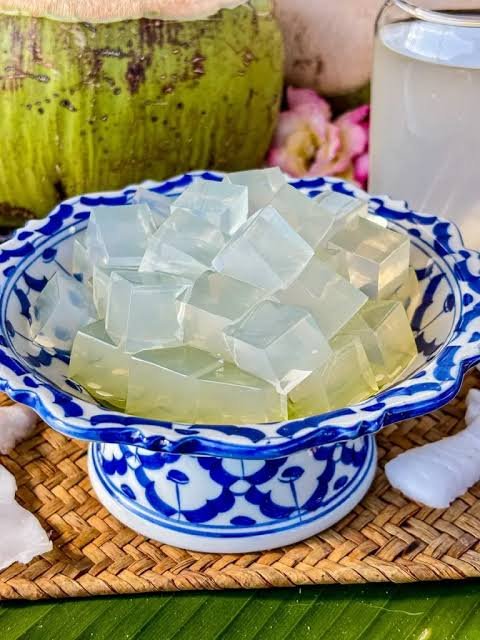
Method 1: The Water Submersion Method (Best for 7–10 Days)
This traditional Indian kitchen hack keeps the raw flesh plump, juicy, and bright white without drying out.
- Step 1: Pry the coconut flesh out of the shell or leave it in large chunky pieces.
- Step 2: Wash the pieces thoroughly under cold running tap water to clean off any remaining shell dust or debris.
- Step 3: Place the chunks in a clean glass or food-grade plastic container.
- Step 4: Fill the container with fresh, filtered water until every piece of coconut is completely submerged.
- Step 5: Seal with a tight lid and store in the main body of your refrigerator.
- Pro Tip:Change the water every single day. Fresh water prevents slime formation and keeps the coconut tasting as fresh as the day you cracked it.
Method 2: Airtight Dry Storage (Best for 3–4 Days)
If you plan to use the raw chunks within a few days for snacks or garnishes:
- Pat the cut pieces completely dry using a clean kitchen towel or paper napkin.
- Transfer them to an airtight glass container or zip-seal storage bag.
- Squeeze out extra air before sealing and store near the middle shelf of your fridge.
4. Should the Flesh Remain in the Shell?
Many home cooks wonder whether it is better to leave the white flesh inside the hard outer shell or scoop it out immediately after cracking.
┌───────────────────────────────┬──────────────────────────────────────────┐
│ Feature                       │ Flesh Left Inside Shell                  │ Flesh Removed From Shell                 │
├───────────────────────────────┼──────────────────────────────────────────┼──────────────────────────────────────────┤
│ Primary Advantage             │ Natural moisture retention for 24 hours   │ Easier to seal airtight & saves space    │
│ Spoilage Risk                 │ High (trap moisture leads to mold)       │ Low (easy to dry or submerge in water)   │
│ Storage Duration              │ Maximum 1 to 2 days                      │ Up to 10 days in water; 6 months frozen  │
│ Recommended Action            │ Good only for immediate overnight use    │ Best for long-term fridge/freezer storage│
└───────────────────────────────┴──────────────────────────────────────────┴──────────────────────────────────────────┘
The Verdict: While keeping flesh inside the shell for a few hours is fine, removing the flesh is far superior for fridge storage. The micro-cracks between the shell and flesh trap excess moisture, creating an ideal breeding ground for white fungus and mold.
To remove flesh easily, place the cracked shell half in the freezer for 15–20 minutes. The cold contracts the shell, allowing the white coconut meat to pop out cleanly with the light push of a butter knife!
5. How to Store Grated Coconut
Grated coconut (nariyal ka bura or shredded fresh coconut) is extremely convenient for daily cooking, but its fine texture creates a massive surface area exposed to oxygen. If left at room temperature, freshly grated coconut can spoil within 6 to 8 hours.
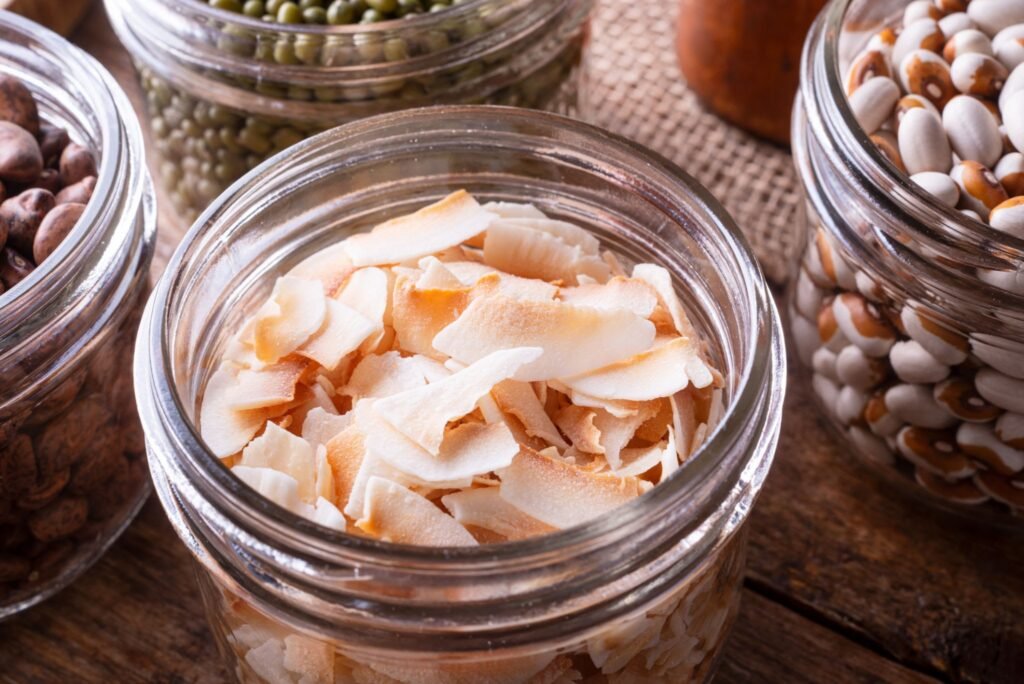
Short-Term Fridge Storage (4–5 Days)
If you want to know how to store grated coconut for your daily morning cooking prep, follow these exact steps:
- Avoid Heat Exposure: Let freshly grated coconut come to room temperature if it warmed up during electric food processor blending.
- Use Clean Utensils: Never touch the freshly grated coconut with unwashed hands or a wet spoon. Moisture and skin bacteria accelerate souring.
- Container Selection: Store the grated coconut in a dry, sterile airtight glass container or heavy-duty food-grade plastic box.
- Fridge Placement: Place the container on the coldest shelf of your refrigerator (usually near the top back vent). Do not store it inside the fridge door, as temperature fluctuations every time you open the door will cause condensation.
6. How to Freeze Coconut in Usable Portions
Freezing is the undisputed champion of coconut preservation. When frozen correctly, coconut retains its natural fat content, sweet flavor, and aromatic milk profile for up to 6 months.
Here is a step-by-step freezing tutorial designed for busy home cooks who want grab-and-go portions for daily cooking.
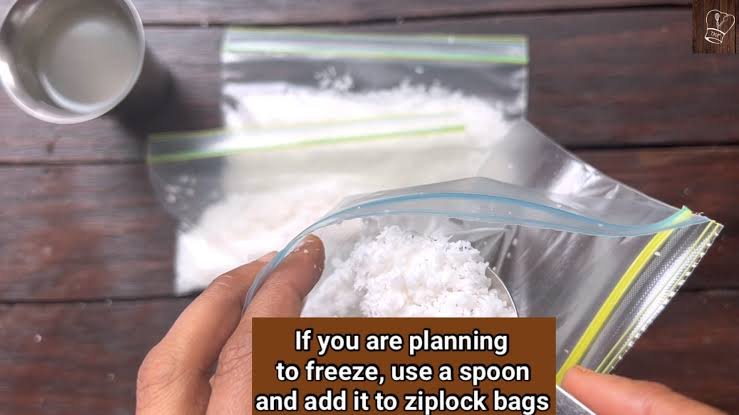
1.Portion out into Ice Cube Trays:Ideal for single-meal curry bases and chutneys.
Take freshly grated coconut and press it firmly into clean silicon or plastic ice cube trays. You can add 1 teaspoon of clean coconut water or filtered water to help binding. Freeze for 4 to 6 hours until solid blocks form. Pop the coconut cubes out and transfer them into a large freezer-safe Ziplock bag.
2.Flatten in Small Zip-Seal Bags:Prevents large frozen clumps and thaws quickly.
Fill small, snack-sized Ziplock pouches with 1/2 cup of freshly shredded coconut. Press the bags flat with your hands to remove all trapped air before zipping. Flat packs stack neatly in the freezer and thaw in less than 10 minutes.
3.Parchment Layering for Cut Pieces:Best method for chunked coconut slices.
If you are freezing cut pieces or thin slices, arrange them in a single layer on a baking tray lined with parchment paper. Flash-freeze for 2 hours until hard, then toss them together into a glass freezer container. Flash-freezing prevents the chunks from sticking together in one solid lump.
7. Refrigerated vs. Frozen Coconut: Direct Comparison
Understanding when to choose simple refrigeration over deep freezing depends entirely on your weekly meal preparation routine.
┌───────────────────────────────┬──────────────────────────────────────────┬──────────────────────────────────────────┐
│ Attribute                     │ Refrigerated Coconut                     │ Frozen Coconut                           │
├───────────────────────────────┼──────────────────────────────────────────┼──────────────────────────────────────────┤
│ Shelf Life                    │ 3 to 10 Days                             │ 3 to 6 Months                            │
│ Texture                       │ Crisp, juicy, original moisture retention│ Slightly softer upon thawing             │
│ Taste & Aroma                 │ 100% fresh raw flavor                    │ 95% fresh flavor retained                │
│ Best For                      │ Raw salads, quick chutneys, garnishing   │ Curries, gravies, cooked desserts, kheer │
│ Prep Time                     │ Zero thawing required                    │ Requires 10-15 mins thawing or microwaving│
│ Risk Factor                   │ Rapid oxidation if container unsealed    │ Freezer burn if exposed to air           │
└───────────────────────────────┴──────────────────────────────────────────┴──────────────────────────────────────────┘
8. How to Prevent Coconut from Drying Out
When you figure out how to store cut coconut in fridge setups, one major obstacle you will encounter is dry, rubbery, or leathery texture. Refrigerators act as dehumidifiers, drawing moisture out of uncovered foods.
Essential Moisture-Lock Hacks:
- Damp Paper Towel Wrap: If storing whole cut chunks in an airtight container without water, wrap them in a slightly damp paper towel. This creates a micro-humid environment inside the jar.
- A pinch of Sugar or Salt: For grated coconut intended for sweet dishes, toss the shreds with half a teaspoon of fine sugar before refrigerating. For savory dishes, use a tiny pinch of salt. Both act as natural humectants to lock in natural juice.
- Avoid Vacuum Over-Drying: When using freezer bags, push air out gently—do not squeeze so hard that you extract the natural coconut milk out of the flesh!
9. Signs of Spoilage: Rancidity, Fermentation, and Mold
Consuming spoiled coconut can cause upset stomach and foodborne illness due to high bacterial loads. Inspect your stored coconut for these distinct warning signs before cooking:
                         Checking Stored Coconut
                                    │
           ┌────────────────────────┼────────────────────────┐
           ▼                        ▼                        ▼
     Visual Check             Smell Check               Taste Check
           │                        │                        │
  • Yellowing skin         • Sour, yeasty smell     • Tangy or soapy flavor
  • White/black mold       • Chemical paint smell   • Complete loss of sweetness
  • Slimy surface film       (rancid fats)
           │                        │                        │
           └────────────────────────┼────────────────────────┘
                                    │
                                    ▼
                         [ DISCARD IMMEDIATELY ]
- Color Shift: Fresh coconut flesh is bright milk-white. If it turns yellowish, light grey, or pinkish, discard it.
- Textural Sliminess: Touch the cut coconut pieces. If they feel slick, sticky, or slimy under running water, bacterial fermentation has set in.
- Sour Smell: Fresh coconut smells mild, sweet, and nutty. A sharp sour, alcohol-like, or yeasty odor means wild yeasts are fermenting the natural sugars.
- Rancid Oil Taste: High oil content means fats can go rancid. If the coconut tastes soapy, bitter, or chemical-like, toss it in the compost bin immediately.
10. How to Thaw Frozen Coconut for Chutney and Curries
Thawing frozen coconut incorrectly can ruin its texture, turning crisp grated shreds into mushy water. Use these culinary tricks to restore fresh texture instantly!
                    Thawing Frozen Coconut
                              │
         ┌────────────────────┴────────────────────┐
         ▼                                         ▼
   [ Cold Methods ]                        [ Warm Methods ]
   • Overnight in Fridge                   • Luke-Warm Water Bath
   • Room Temp (15 mins)                   • Microwave Defrost (10 sec)
         │                                         │
         └────────────────────┬────────────────────┘
                              ▼
                Ready for Chutney & Cooking!
- The Warm Water Bath (Quickest Method): Take your sealed freezer pouch of frozen grated coconut and submerge the sealed bag in a bowl of lukewarm water for 10 minutes. It thaws evenly without losing flavor.
- Direct Cooking (For Curries & Dal): If you are making hot dishes like Sambar, Avial, or North Indian Gravies, you do not need to thaw! Drop frozen coconut cubes straight into the hot simmering gravy or blender jar with warm water.
- Microwave Blitz (Use Caution): Place frozen coconut on a microwave-safe plate and use the low-power Defrost setting for 10 to 15 seconds. Avoid overheating, or you will accidentally extract coconut oil!
- Pro Chutney Tip: For smooth coconut chutney, grind thawed coconut with warm water instead of ice-cold water. Warm water helps release the natural essential oils, giving your chutney a creamy hotel-style consistency.
Frequently Asked Questions (FAQs)
Q1. How to store cut coconut in fridge without water?
You can store cut coconut in the fridge without water by patting the pieces completely dry with a paper towel and sealing them inside a clean glass airtight container. Adding a damp napkin inside the jar helps maintain moisture without risking mold.
Q2. How long coconut lasts in fridge when fully grated?
Freshly grated coconut lasts 4 to 5 days in the main body of the fridge when kept sealed inside an airtight container on a cold shelf.
Q3. Can I refreeze thawed coconut?
It is not recommended to refreeze coconut once it has thawed completely to room temperature. Repeated freezing and thawing breaks down cell walls, causing loss of flavor, moisture purge, and texture degradation. Freeze in small portion-controlled bags instead!
Q4. Why does cut coconut turn yellow in the fridge?
Cut coconut turns yellow due to surface oxidation caused by exposure to air and light. Submerging cut chunks under clean water inside an airtight container prevents oxidation and keeps the flesh bright white.
Q5. Is it safe to eat coconut water from a cracked coconut stored in the fridge?
Yes, provided you pour the fresh coconut water into a clean glass bottle and refrigerate it immediately. Fresh coconut water should be consumed within 24 to 48 hours for optimal sweetness and nutritional value.
See Also
- How to store coconut
- How To Store Coconut For Long Time
- HOW TO PRESERVE COCONUT WITHOUT REFRIGERATION
- How to Store Onions, Potatoes and Garlic Without a Fridge in India
- How Long Does Cooked Dal Last in the Fridge? Storage and Reheating Guide
- How to Keep Coriander Fresh in the Fridge for 2 Weeks: Indian Kitchen Method