
Every Indian kitchen runs on the holy trinity of Aloo, Pyaz, and Adrak-Lahsun. Whether you are making a quick weekday jeera aloo, whipping up a rich biryani gravy, or tempering a simple dal tadka, you almost certainly reach for potatoes, onions, and garlic first. Because we buy these staples in bulk—often 2 to 5 kilos at a time from the local sabzi mandi—keeping them fresh and firm without putting them in the refrigerator is a real daily challenge.
During scorching Indian summers or muggy monsoons, it feels like you buy a bag of onions on Monday and by Thursday half of them are sprouting green shoots or turning mushy.
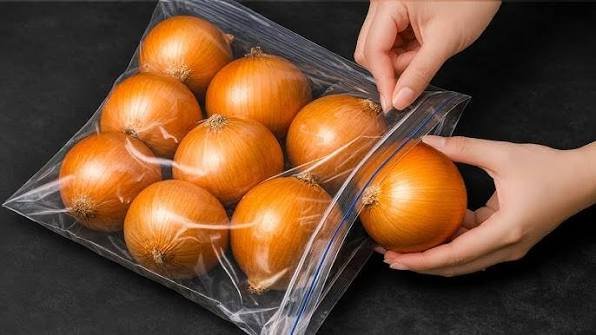
If you have ever wondered how to store onions and potatoes without fridge space taking over your entire kitchen, this comprehensive guide is for you. We will break down ambient storage physics, clear up the biggest storage myths, and give you practical, tested setup tips for small Indian apartment kitchens.
1. Quick Answer: Best Storage Conditions at a Glance
If you are looking for the absolute ideal environment to keep root vegetables crisp and rot-free without refrigeration, follow these baseline parameters:
1.Keep Them Cool, Dark, and Dry:
Store onions, potatoes, and garlic in a shaded, well-ventilated spot between 15°C and 22°C (or the coolest dry corner of your home), away from direct sunlight, gas stoves, and water splash zones.
2.Separate Onions and Potatoes Completely:
Never store potatoes and onions in the same basket or container. Onions emit ethylene gas which causes potatoes to sprout rapidly, while potatoes release moisture that makes onions rot.
3.Use Breathable, Open Containers:
Ditch plastic bags immediately. Store each ingredient in open wire baskets, woven bamboo tokris, breathable jute bags, or slotted wooden crates that allow continuous airflow.
4.Elevate Off the Floor:
Place storage containers on raised racks or shelves rather than directly on marble, tile, or mud floors to prevent trapped moisture underneath.
5.Perform Weekly Sorting:
Inspect your stock every 5 to 7 days. Remove any soft, sprouting, or bruised produce immediately so one bad piece does not spoil the whole batch.
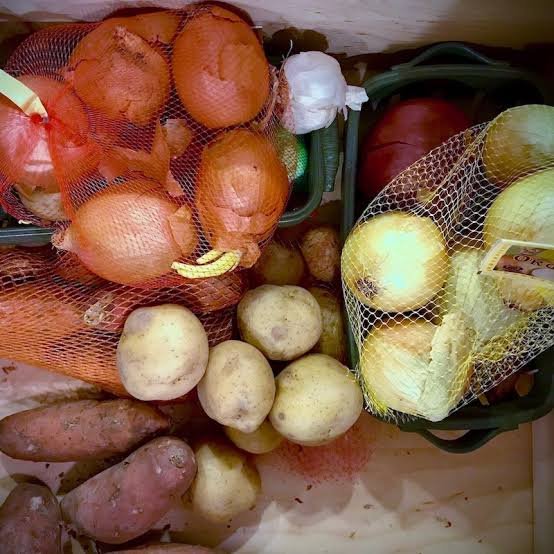
2. Why Onions and Potatoes Spoil Quickly in Indian Kitchens
Indian kitchens present a unique environment for produce storage. Between tropical ambient temperatures, elevated moisture levels, and high-heat cooking methods like tadka, ambient conditions often work directly against long shelf life.
       +-------------------------------------------------------+
       |             INDIAN KITCHEN SPOILAGE TRIAD             |
       +-------------------------------------------------------+
       |  1. HEAT (>30°C)   --> Triggers Sprouting Instinct    |
       |  2. HUMIDITY       --> Promotes Fungal & Mold Growth  |
       |  3. ETHYLENE GAS   --> Accelerates Decay Rates        |
       +-------------------------------------------------------+
High Heat and Temperature Swings
When temperatures cross 30°C, potatoes and onions receive a natural signal that it is time to reproduce. They break dormancy and start expending internal sugars to grow sprouts.
Moisture Traps and Humidity
During the monsoon months or in humid coastal cities (like Mumbai, Chennai, or Kolkata), moisture levels in the air spike above 80%. When trapped in tight spaces or plastic bags, this atmospheric water creates an ideal breeding ground for black mold (Aspergillus niger) and bacterial soft rot.
Ethylene Gas Accumulation
Certain fruits and vegetables naturally release a gaseous plant hormone called ethylene as they age. When stored in closed cabinets without ventilation, trapped ethylene forces nearby produce to ripen and decay exponentially faster.
3. Can Onions and Potatoes Be Stored Together?
The short answer is no, absolutely not.
While they pair brilliantly in a samosa or paratha, storing raw onions and potatoes side-by-side in the same basket is one of the most common mistakes made in Indian kitchen onion storage.
| Vegetable | Primary Threat | Release Factor | What Happens If Stored Together? | Recommended Storage Distance |
| Onions | Moisture & trapped heat | High ethylene gas & strong aromas | Ethylene triggers early sprouting and eyes in nearby potatoes. | Keep at least 3 to 5 feet apart in separate open containers. |
| Potatoes | Light exposure & ambient moisture | High moisture release through transpiration | Released moisture turns onions soft, sticky, and moldy. | Keep in a dark, cool spot away from onions and fruits. |
| Garlic | High humidity & zero air circulation | Low ethylene release | Garlic absorbs moisture easily and rots if airflow is blocked. | Can sit near onions in low humidity, but prefers its own mesh pouch. |
4. Best Containers for Non-Refrigerated Storage
The container you choose plays a massive role in extending the life of your produce. Plastic polythene bags from the local vendor act like mini greenhouse traps, holding in heat and moisture. Swap them out for these highly breathable alternatives:
Mesh Bags
Nylon or cotton mesh bags allow 360-degree air movement. They are ideal for hanging garlic and onions from wall hooks, keeping them completely off crowded counter spaces.
Open Wire Baskets
Stainless steel or powder-coated wire baskets are sturdy, easy to wipe down, and provide maximum ventilation. They prevent moisture buildup at the bottom of the container.
Bamboo Tokris (Woven Baskets)
Traditional Indian woven bamboo baskets (tokris) offer natural breathability. The organic fibers absorb slight surface moisture, making them a fantastic natural option for ambient potato storage.
Paper Bags (Unsealed)
Brown paper bags work well for potatoes because they block out daylight while remaining porous enough to breathe. Keep the top folded loosely—never sealed tight.
Multi-Tier Ventilated Racks
Vertical trolley racks featuring slatted metal or wooden shelves are popular in modern apartment kitchens. They allow you to store potatoes on the bottom tier and onions on an upper tier with adequate clearance between them.
5. Where to Place Storage Containers in a Small Apartment Kitchen
Finding a dark, cool, well-ventilated space in a compact kitchen requires strategic placement. Here is a spatial guide showing optimal storage placement:
+-----------------------------------------------------------------------+
|                    OPTIMAL KITCHEN STORAGE LOCATIONS                  |
+-----------------------------------------------------------------------+
|                                                                       |
|   [ WINDOW / BALCONY ]                                                |
|            |                                                          |
|            v  (Good ventilation - Avoid direct sun!)                  |
|   +-------------------+                                               |
|   | ONION TROLLEY     |  <-- Keep elevated, open wire basket         |
|   +-------------------+                                               |
|                                                                       |
|   -----------------------------------------------------------------   |
|   [ KITCHEN COUNTERTOP ]                                              |
|      (Avoid area near Gas Stove / Mixie / Oven heat!)                 |
|   -----------------------------------------------------------------   |
|                                                                       |
|   +-------------------+                                               |
|   | GARLIC MESH BAG   |  <-- Hung on wall hook, good airflow          |
|   +-------------------+                                               |
|                                                                       |
|   +-------------------+                                               |
|   | POTATO CRATE      |  <-- Lower dark cabinet with slatted doors    |
|   +-------------------+      (Separated from onions by >3 feet)       |
|                                                                       |
|   -----------------------------------------------------------------   |
|   [ FLOOR LEVEL ]                                                     |
|      (Do NOT place bags directly on cold/damp tiles)                  |
+-----------------------------------------------------------------------+
Ideal Spots
- Under-sink adjacent cabinets (Dry ones only): Dark, away from light, provided there are no plumbing leaks or dampness.
- Utility balconies: Great ventilation, provided the area stays shaded throughout the day.
- Passage/Pantry alcoves: Hallways or corners right outside the main kitchen stay cooler because they are isolated from cooking steam.
Zones to Avoid
- Directly next to the gas stove: Heat from cooking accelerates decay rapidly.
- Beside heat-emitting appliances: Refrigerators, microwave ovens, and mixer-grinders vent ambient heat from their motors.
- Under the kitchen sink: Dampness leads to fungal growth and mold within days.
- Direct window sills: Direct sunlight turns potatoes green and causes onions to dry out and shrink.
6. How to Store Garlic at Room Temperature
Garlic is relatively low-maintenance compared to onions and potatoes, but it has specific moisture requirements:
- Keep Whole Heads Intact: Do not break the papery skin or separate individual cloves until you are ready to cook. Whole bulbs last for months, whereas unskinned single cloves dry out within days.
- Prioritize Air Circulation: Store garlic in small hanging mesh bags, open wire baskets, or clay garlic keepers with breathing holes.
- Avoid Plastic Containers: Airless plastic containers trap garlic respiration moisture, causing roots and green sprouts to shoot out quickly.
7. Summer vs. Monsoon Storage Strategies
Storage tactics must adapt as seasons change across India.
       +-------------------------------------------------------+
       |               SEASONAL STORAGE ADAPTATION             |
       +-------------------------------------------------------+
       |  SUMMER (High Heat, Low/Moderate Humidity)            |
       |  - Focus: Heat mitigation & airflow                   |
       |  - Spread produce out in single layers                |
       |                                                       |
       |  MONSOON (High Humidity, Excessive Dampness)          |
       |  - Focus: Moisture control & mold prevention          |
       |  - Use paper lining & frequent sorting                |
       +-------------------------------------------------------+
Summer Survival (April – June)
- Spread Out the Stock: Do not heap onions or potatoes high in deep piles. Spread them out in single or double layers in wide, shallow baskets to prevent ambient heat from getting trapped at the bottom.
- Utilize Earthy Base Materials: Placing a layer of dry newspaper or raw corrugated cardboard at the bottom of the basket helps insulate produce from radiant heat.
Monsoon Protection (July – September)
- Check for Dampness Daily: Ambient humidity above 80% creates rapid bacterial breakdown.
- Use Moisture Absorbers: Keep open bowls of uncooked rice or food-grade silica gel packets near (but not directly touching) storage zones to absorb excess air moisture.
- Line Baskets with Newspaper: Newspaper absorbs surface moisture and prevents soft rot from spreading between touching items. Change the paper lining weekly.
8. Should Any of Them Ever Be Refrigerated?
A common question is whether popping these root vegetables into the fridge will extend their lifespan. For whole, unpeeled produce, the short answer is usually no.
                +---------------------------------------+
                |     CAN YOU REFRIGERATE THEM?         |
                +---------------------------------------+
                                    |
            +-----------------------+-----------------------+
            |                                               |
            v                                               v
     [ WHOLE UNPEELED ]                             [ PEELED / CUT ]
  Do NOT Refrigerate!                             MUST Refrigerate!
  - Potatoes: Starches turn to sugars              - Sealed airtight container
  - Onions: Humidity turns soft/soggy             - Use within 3 to 5 days
  - Garlic: Triggers sprouting/mold
Why Raw Potatoes Should Stay Out
Refrigerating raw potatoes subjects them to cold-induced sweetening. The low temperature converts internal potato starches into reducing sugars. When fried or cooked at high temperatures later, these sugars combine with amino acids to form acrylamide—a compound that ruins flavor, darkens color unnaturally, and poses health concerns.
Why Whole Onions and Garlic Suffer in the Fridge
Refrigerators are high-humidity environments. The papery outer skins of onions and garlic absorb ambient dampness, turning the insides soft, soggy, and prone to black mold.
Exceptions for Peeled or Cut Produce
- Chopped/Peeled Onions: Store in a glass, airtight container in the fridge and use within 3 days.
- Peeled Garlic Cloves: Store in an airtight container in the fridge for up to 7 to 10 days, or submerge them in oil/make garlic paste.
- Peeled Cut Potatoes: Store submerged completely in a bowl of cold water inside the fridge for up to 24 hours to prevent browning oxidation.
9. How to Recognize Sprouting, Mold, and Rot
Knowing when produce is safe to salvage versus when it belongs in the compost bin saves money while keeping your family safe.
Sprouting: Is It Safe to Eat?
- Potatoes: Small, firm green sprouts can be carved out deeply with a knife alongside any firm flesh. However, if the potato has turned soft, wrinkled, or noticeably green, discard it. Green patches contain solanine, a toxic glycoalkaloid that causes stomach distress.
- Onions: Green shoots originating from the center of an onion are safe and non-toxic. Slice the onion in half, remove the bitter green core if desired, and cook the rest promptly.
- Garlic: Green sprouts inside garlic cloves are completely safe to eat, though they carry a sharper, slightly bitter flavor.
Identifying Dangerous Mold and Soft Rot
- Black Dust on Onions: This is black mold (Aspergillus niger). If it is isolated strictly to the outer dry papery skin, peel off those layers and wash the firm bulb thoroughly under running water before use. If the inner fleshy layers are soft or slimy, throw the onion away.
- Leaking Liquids and Foul Odors: If a potato or onion feels squishy, leaks fluid, or emits a sharp, sweetish-foul smell, soft rot bacteria have broken down its cellular structure. Discard it immediately and sanitize the storage container before adding fresh produce.
10. Weekly Inspection Checklist
To maintain fresh produce without a fridge, adopt a 5-minute weekly routine:
- [ ] Rotate Stock: Move older potatoes, onions, and garlic to the top of the basket so they are cooked first (First In, First Out).
- [ ] Feel for Softness: Lightly squeeze individual items. Set aside anything soft or yielding for immediate cooking.
- [ ] Check for Sprouts: Trim early sprouts off firm potatoes and onions.
- [ ] Inspect Paper Linings: Replace any damp, torn, or stained newspaper at the bottom of storage baskets.
- [ ] Wipe Down Baskets: Clean off loose dirt, papery husks, and organic dust using a dry cloth or brush to maintain clean airflow paths.
Frequently Asked Questions
How long do onions and potatoes last without a fridge in India?
When stored in cool, dark, well-ventilated conditions, whole onions can last 4 to 6 weeks, potatoes 3 to 5 weeks, and whole garlic heads up to 2 to 3 months. In peak summer heat or high monsoon humidity, expect these timelines to shorten by roughly 30-40%.
Why do my potatoes turn green, and are they safe to eat?
Potatoes turn green when exposed to light, which triggers chlorophyll production along with solanine—a natural toxin that tastes bitter and can cause digestive discomfort. Small green spots can be peeled away deeply, but if a potato is mostly green or tastes bitter, discard it entirely.
Can I store ginger along with garlic at room temperature?
Yes, whole unpeeled ginger roots can be stored alongside garlic in an open, well-ventilated wire basket or mesh bag. Ensure both stay completely dry. For long-term storage beyond two weeks, ginger fares better wrapped loosely in a paper towel inside the refrigerator vegetable crisper drawer.
Should I wash potatoes and onions before storing them?
No, never wash potatoes, onions, or garlic before storing them. Surface moisture encourages rapid bacterial soft rot and fungal growth. Wash off field dirt right before prepping and cooking them.
Final Thoughts
Mastering how to store onions and potatoes without fridge space comes down to understanding three simple elements: keep them cool, give them air, and keep them separated. By making simple adjustments—swapping out plastic bags for open wire baskets, elevating your setup, and keeping potatoes away from onions—you can eliminate food waste and keep your essential Indian kitchen staples fresh for weeks!
See Also
- How to store vegetables for long without a fridge
- How to store your potatoes and Onions for a whole year without Rottening or Sprouting
- How to Keep Coriander Fresh in the Fridge for 2 Weeks: Indian Kitchen Method
- Does Hing Expire? How to Store Asafoetida Without Losing Its Aroma
- How to Store Curry Leaves in the Fridge: Keep Kadi Patta Fresh for Weeks