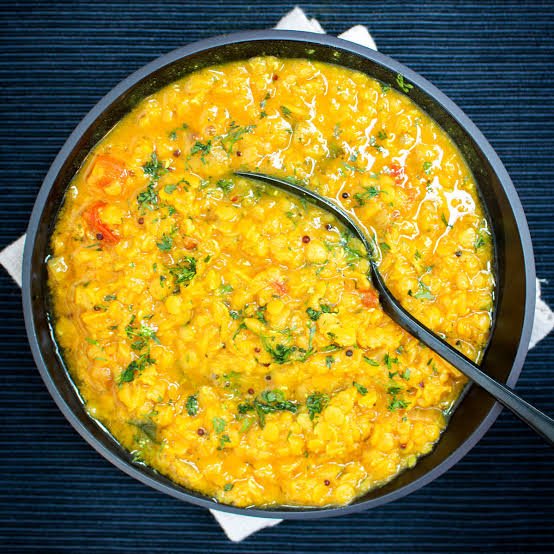

If there is one spice in the Indian kitchen that announces its presence before you even open the container, it is hing (asafoetida). That pungent, sulfurous, almost overwhelming raw smell is a staple of Indian culinary heritage. Whether it’s triggering a sizzling tadka for your daily dal, tempering a comforting bowl of South Indian rasam, or adding depth to a festive aloo rassa without using onion or garlic, a tiny pinch of hing is nothing short of magic.
Because we use it in such microscopic quantities—just a small pinch here and there—a single small plastic bottle of hing can sit in the dark corner of your spice cabinet for months, or even years.
Eventually, every home cook faces that moment of doubt while cleaning out the pantry: Does hing expire? You look at the tiny plastic tub, find a faded manufacturing date from two years ago, and wonder if it’s still safe to toss into your hot oil. Will it make your family sick? Why does it barely smell like anything anymore?
Let’s solve this common Indian grocery mystery with a comprehensive look at the shelf life, quality signs, and storage rules for your kitchen’s favorite flavor enhancer.
🪵 What is Hing / Asafoetida Anyway?
Before looking at how long it lasts, it helps to know what this unique ingredient actually is. Hing isn’t a leaf, a seed, or a dried bark like most other spices in your masala dani.
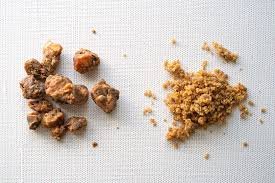
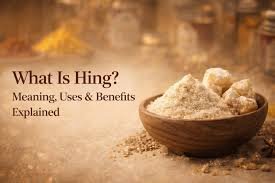
It is the dried latex or sap extracted from the thick roots of a taprooted perennial herb called Ferula. The plant grows natively in the rugged, arid climates of Afghanistan, Iran, and parts of Central Asia. When the root is cut, a milky resin oozes out, which hardens upon exposure to air into tough, resinous lumps.
Because pure hing resin is incredibly potent and difficult to measure out in daily cooking, most of what we buy in grocery stores is compounded asafoetida (bandhani hing). Manufacturers grind down the raw resin and blend it with edible starches—like wheat flour (maida) or rice flour—and sometimes a bit of gum arabic to make it free-flowing, stable, and easy to measure out with a spoon.
⏳ Does Hing Really Expire?
The direct answer is: No, real hing does not expire in a way that makes it toxic or dangerous to eat, but it absolutely loses its culinary value over time.
Like most dried spices, hing doesn’t spoil, grow harmful bacteria, or rot the way fresh vegetables or dairy products do, provided it stays completely dry. If you use a five-year-old bottle of hing, it won’t land you in the hospital.
However, spices rely on volatile essential oils for their flavor and scent. For asafoetida, its signature umami flavor comes from volatile sulfur compounds. Over time, these compounds naturally evaporate into the air. When people ask does hing expire, what they are usually noticing is that their spice has transformed from a pungent kitchen essential into a completely tasteless, odorless powder.
Most commercial brands print a “Best Before” date of 12 to 24 months on the packaging. This date isn’t a safety deadline; it’s a guarantee from the brand of how long the spice will retain its maximum potency and iconic aroma.
💎 Powder Hing vs Pure Hing Resin: Which Lasts Longer?
The form of asafoetida sitting in your pantry plays a massive role in dictating its overall shelf life.
1. Compounded Powder Hing (The Standard Bottle)
- What it is: The common powder form found in every Indian household, cut with flour starches.
- Shelf Life: Peak potency lasts for 1 to 2 years.
- Why it fades fast: Because it is finely ground, a massive surface area is exposed to air. Every time you pop open the lid, a little bit of the volatile oils escape, causing the aroma to diminish steadily.
2. Pure Hing Crystals or Resin Lumps (Heera Hing)
- What it is: Solid, rock-like amber lumps of pure, unadulterated sap resin.
- Shelf Life: Practically indefinite (can easily last 5–10 years or more).
- Why it lasts: The volatile oils are securely locked deep inside the solid, wax-like mass. To use it, home cooks break off a tiny piece and dissolve it directly in warm water or hot oil. Because the inner core remains protected from oxygen, it keeps its pungent power for generations.
👃 Why Hing Loses Its Iconic Smell Over Time
Have you ever added a generous half-spoon of old hing to your hot oil, only to realize your kitchen doesn’t smell like anything at all? Here is why that happens:
- Exposure to Air (Oxidation): The volatile sulfur compounds that give hing its garlic-onion mimicry are highly unstable. If the container lid isn’t tightened firmly, these compounds steadily dissipate into the room.
- Heat Degradation: Storing your spice box right above the hot cooking stove or oven speeds up the evaporation of its essential oils.
- The Flour Component: In compounded varieties, the mixed-in rice or wheat flour can absorb ambient kitchen humidity, causing the powder to stale and mask the underlying resin smell.
👁️ How to Know If Your Hing Has Gone Bad
Since you can’t rely entirely on a stamped expiration date, use your senses to determine if your asafoetida needs to be replaced:
                  [The Three-Step Hing Quality Check]
                                  |
         --------------------------------------------------
        |                          |                       |
  [1. The Sniff Test]      [2. The Texture Test]    [3. The Oil Test]
  - Open the tub and       - Check for hard         - Drop a pinch into
    take a sniff.            clumps or dampness.      hot oil.
  - If it smells like      - White mold or webby    - If it doesn't sizzle
    plain flour, the         textures mean water      and release a rich
    aroma is gone.           got in; discard it.      aroma, replace it.
- The Sniff Test: Give the container a gentle shake and smell it. If you have to put your nose right against the rim to catch a faint scent, the volatile oils have left the building. It won’t add any flavor to your food.
- The Texture Test: Good powder hing should be dry and relatively free-flowing. If it has clumped up into a solid, sticky brick due to moisture exposure, check closely for spoilage.
- The Visual Mold Check: If a wet spoon was accidentally introduced into the container, the flour base can breed mold. If you spot fuzzy dark spots, white webbing, or a sour, yeasty smell, throw the container away immediately.
🫙 The Ultimate Storage Guide: Keeping the Pungency Locked In
If you want your spice to survive the elements and keep its punchy aroma intact for years, you need to rethink how it’s stored.
1. Ditch the Spice Box (Masala Dani)
Never store your daily hing in an open-top compartment of your steel masala dani. Not only will the hing lose its potency within weeks, but its aggressive smell will also seep into your turmeric, cumin, and mustard seeds, making everything in your spice box taste faintly of asafoetida.
2. Use Glass or Heavy-Duty Tinted Plastic
Store your hing in a dedicated, small glass jar with a secure, rubber-lined airtight lid. Glass is non-porous, meaning it won’t absorb the spice oils, and it forms an excellent seal that keeps oxygen out and smells locked in.
3. Keep it Away From Moisture and Steam
Moisture is the single biggest threat to compounded powder. When water vapors mix with the flour base, it creates sticky lumps and invites bacterial growth. Always store the jar in a cool, dark, dry pantry cabinet far away from the steam of your kettle, sink, or cooking range.
🍳 Can You Still Use Old, Odorless Hing?
If your hing has passed its best-before date but shows zero signs of moisture damage, mold, or bugs, it is still entirely safe to consume.
However, because its flavor has faded, using it as a standard tadka won’t do much for your dish. If you don’t want to throw it away, try these alternative uses:
- Double the Quantity: If a recipe calls for a quarter teaspoon of fresh hing, you might need to use a half or full teaspoon of the older batch to achieve a similar flavor profile.
- Use it for Digestive Benefits: Hing is famous in Ayurvedic traditions for reducing gas and bloating. Even if the flavor is faint, you can dissolve old powder in warm water along with a pinch of black salt (kala namak) and carom seeds (ajwain) to drink as a post-meal digestive remedy.
- Mix it in Heavy Marinades: Use it up in heavy, slow-cooked marinades for jackfruit, mutton, or thick dals where it can simmer for hours to coax out whatever deep resin notes are left.
🛒 How to Buy Quality Hing from a Indian Kirana Store
Next time you are restocking your kitchen essentials at your local kirana store or supermarket, keep these shopping tips in mind:
- Check the Ingredients List: Turn the bottle around. High-quality brands list a higher percentage of asafoetida resin relative to the wheat or rice flour processing aids. If flour is overwhelmingly the main ingredient, the flavor will be weak from day one.
- Opt for Small Bottles: Unless you cook for a massive joint family every single day, avoid buying large 100g value packs. Buy the smallest 10g or 25g tubs so you can finish the spice while it’s fresh and potent.
- Seek Out Local Sourcing: If you find a vendor selling authentic Heera Hing or solid resin pieces from Afghanistan or Kashmir, grab a small piece. It may cost more upfront, but a single small lump can be grated fresh or dissolved in water, outlasting several plastic bottles of grocery-store powder.
🙋♀️ Frequently Asked Questions (FAQs)
Q1. Why has my hing powder turned into a hard, solid rock?
Ans: This happens when ambient humidity or a damp spoon introduces moisture into the bottle. The starches (like wheat or rice flour) absorb the water and dry out into a hard mass. If there is no mold growth, you can carefully break the block apart with a clean knife or mortar and pestle to continue using it.
Q2. Can I store hing in the refrigerator to make it last longer?
Ans: It is generally not recommended. The constant temperature fluctuations from opening and closing the fridge door create condensation inside the bottle. This moisture will quickly ruin the powder texture and cause it to clump. A cool, dark kitchen cabinet works best.
Q3. Is gluten-free hing available in India?
Ans: Yes. Traditional compounded hing uses maida (wheat flour) as a base, which contains gluten. However, many modern brands use rice flour or turmeric powder as the mixing agent instead, making it completely safe for those with gluten sensitivities or celiac disease. Check the label carefully for a “gluten-free” certification.
Q4. What is the difference between yellow and brown hing powder?
Ans: Yellow hing powder is usually lighter, milder, and blended with more rice flour and turmeric, making it ideal for delicate everyday dishes. Brown hing is closer to the raw resin form, containing minimal flour additives, making it much stronger, darker, and better suited for heavy traditional recipes.
🌸 Conclusion
While answer to does hing expire is a comforting “no,” keeping an old, flavorless bottle in your cupboard doesn’t do your cooking any favors. Treat your asafoetida with the respect its powerful profile demands: buy it in small quantities, seal it tightly in a dedicated glass jar, and keep it clear of the moist heat of your stove.
By keeping those volatile essential oils locked up tight, you’ll ensure that every tadka you make continues to fill your home with that familiar, appetizing aroma.
How long has that current container of hing been sitting in your kitchen cabinet? Give it a quick sniff test today and let us know if it passed in the comments below!
See Also
Science of Hing
How to Use Asafetida | Indian Food
How to Store Curry Leaves in the Fridge: Keep Kadi Patta Fresh for Weeks
How Long Does Homemade Ginger-Garlic Paste Last? (And How to Extend It)