
Whether you are standing in the middle of an Indian grocery aisle or scrolling through an online pantry store, you have likely run into these three terms: besan, chickpea flour, and gram flour. On paper, they all sound like the exact same thing — ground-up garbanzo beans, right?
Well, not quite! While they all belong to the legume family, swapping one for the other in an authentic Indian recipe like crispy pakoras or fluffy dhokla can give you wildly different results. So, what is the difference between Besan vs Chickpea Flour ?
If you have ever ended up with a dense, rubbery chilla or a bitter kadhi and wondered where things went wrong, the answer almost certainly lies in the tub of flour you pulled from your pantry. Let’s break down the real differences, demystify the packaging labels, and ensure your cooking always turns out spot on!
1. Quick Answer: Are Besan and Chickpea Flour the Same?
Featured Snippet Direct Answer
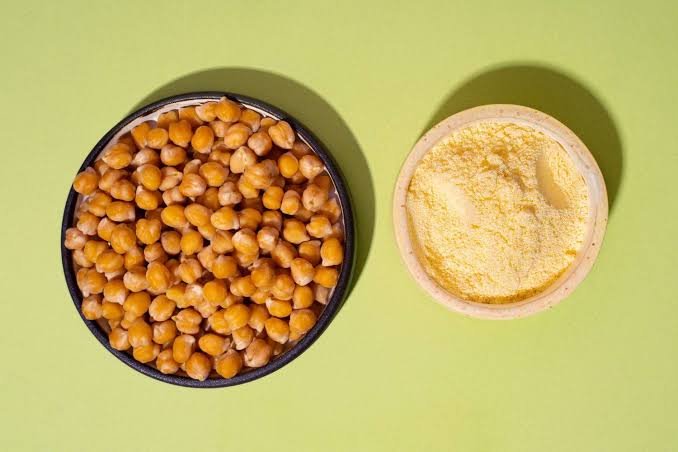
No, besan and chickpea flour are not the same. Besan is made from finely ground split brown chickpeas (Bengal gram or chana dal). Western chickpea flour is coarsely ground from white chickpeas (garbanzo beans). Consequently, besan is finer, absorbs more water, and cooks up smoother.
+-------------------------------------------------------------------------------+
|                           SUBSTITUTION RATIO BOX                              |
|                                                                               |
|  1 Cup Besan = 1 Cup + 1 tbsp Western Chickpea Flour (Ground finely in blender)|
|                                                                               |
|  • Water Ratio Adjustment: Western chickpea flour absorbs ~10-15% LESS water  |
|    than traditional besan. Reduce liquids slightly when substituting!         |
+-------------------------------------------------------------------------------+
2. What Besan Is Made From: The Authentic Bengal Gram (Chana Dal)
To understand besan, we have to look closely at the pulse from which it originates.
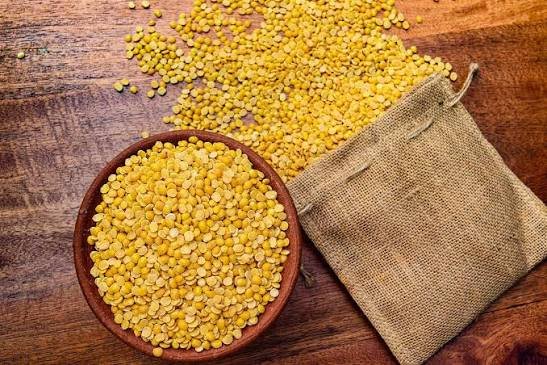
In India, besan is milled exclusively from Bengal gram (Cicer arietinum L.), locally known as kala chana or brown chickpeas. Before milling, the outer dark skin of these brown chickpeas is peeled off, and the seed inside is split in half. This split yellow kernel is what we lovingly call chana dal.
Key Characteristics of Genuine Besan
- Ultra-Fine Grind: Besan is milled into a silky, powdery flour reminiscent of cornstarch or powdered sugar.
- Nutty, Deep Aroma: Because chana dal is often lightly roasted before or during the commercial milling process, besan carries a distinctly warm, nutty scent.
- High Binding Power: Besan has a high natural starch-and-protein stickiness when combined with liquid, making it an incredible binding agent for fritters, batters, and sweets.
Because the seed coat is removed before grinding, besan possesses a vibrant pale-yellow color and cooks very quickly without leaving behind any gritty residue on your tongue.
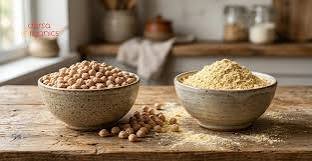
3. What Western Chickpea Flour Is Made From: White Garbanzo Beans
When you step into a Western supermarket or organic health store and pick up a bag labeled “Chickpea Flour” or “Garbanzo Bean Flour,” you are looking at a fundamentally different ingredient.
Western chickpea flour is made by milling whole white chickpeas (garbanzo beans, or kabuli chana).
Key Characteristics of Western Chickpea Flour
- Coarser Texture: Milled similarly to whole-grain wheat flour or yellow cornmeal, feeling distinctly grainy between your fingers.
- Earthy & Slightly Bitter Flavor: White chickpeas retain a stronger raw bean taste. If uncooked or undercooked, this flour can impart a sharp, bitter aftertaste.
- Lighter Yellow Hue: It features a softer, beige-ish yellow tone rather than the bright golden tint of chana dal flour.
- Lower Liquid Absorption: Because of the coarser grain size and different starch structure of white chickpeas, it doesn’t absorb liquids as fast or as intensely as fine besan.
If you try making a smooth, velvety batter using Western chickpea flour without adjusting your liquid ratios or cooking time, your dish will likely end up dense, grainy, and raw-tasting in the center.
4. Besan vs Chickpea Flour Comparison Table
Here is a side-by-side comparison to help you spot the differences at a glance:
| Feature | Besan (Bengal Gram Flour) | Western Chickpea Flour (Garbanzo Flour) |
| Primary Ingredient | Split brown chickpeas (Chana dal / Kala chana) | Whole white chickpeas (Kabuli chana / Garbanzo) |
| Color | Bright golden yellow | Light cream / Pale beige yellow |
| Texture | Super fine, smooth, powdery | Coarse, slightly gritty, flour-like |
| Flavor Profile | Nutty, savory, mild, quick-cooking | Earthy, bean-heavy, slightly bitter if undercooked |
| Water Absorption | Very High (forms smooth, thick batter instantly) | Moderate (requires resting time to hydrate fully) |
| Best Uses | Pakora, Besan Ladoo, Kadhi, Chilla, Dhokla | Gluten-free baking, socca, falafel binding, breading |
5. Which Flour Works Best for Pakora, Chilla, Kadhi, and Dhokla?
Indian cooking relies heavily on specific structural properties of flour. Here is how both flours stack up across your favorite traditional recipes:
Crisp & Airy Pakoras
- The Winner: Besan
- Why: Crispiness in a pakora comes from a thin, smooth batter that clings tightly to vegetables (like onions, potatoes, or spinach) without absorbing excessive oil. Besan forms a slick coat that crisps up beautifully in hot oil. Western chickpea flour creates a heavy, thick crust that turns soggy quickly.
Savory Besan Chilla (Indian Pancakes)
- The Winner: Besan
- Why: Chilla requires a pourable batter that spreads thinly over a hot tawa (griddle). Besan spreads easily into paper-thin, crispy crepes. Garbanzo flour produces a thicker pancake that cracks around the edges when folded.
Tangy & Velvety Kadhi
- The Winner: Besan
- Why: Kadhi relies on besan to emulsify yogurt and water over a gentle simmer. Because besan is ultra-fine, it whisk seamlessly into curd without forming lumps, thickening the broth into a silky sauce. Garbanzo flour leaves small gritty grains in the soup.
Fluffy & Spongy Dhokla
- The Winner: Besan
- Why: Steamed snacks like Khaman Dhokla require rapid air-trapping when fruit salt (Enos) or baking soda reacts with acid. Besan’s fine particles create a delicate, porous structure that holds steam bubbles, yielding a moist, feather-light sponge.
6. Can Chickpea Flour Replace Besan in Indian Recipes?
Yes, but with crucial tweaks! If you live in an area where authentic besan isn’t easily accessible, you can substitute Western garbanzo bean flour by following these tips:
- Run It Through a High-Speed Blender: Pulse your garbanzo flour in a dry blender or spice grinder for 30–45 seconds, then pass it through a fine-mesh sieve. This breaks down the grain size closer to traditional besan.
- Reduce the Water Slightly: Western chickpea flour absorbs less water. Start with about 10–15% less liquid than your recipe calls for, let the batter rest for 15 minutes to hydrate, and then check the consistency.
- Cook it Longer: Raw white chickpea flour takes longer to lose its bitter, raw-legume edge. Extend your frying, simmering, or baking time slightly.
- Add a Pinch of Turmeric: Since garbanzo flour is paler, adding a tiny dash of haldi (turmeric) will restore that vibrant golden hue expected in dishes like kadhi or boondi.
7. Is Gram Flour Another Name for Besan?
This is where labeling gets confusing!
In the UK, Australia, New Zealand, and parts of the Caribbean, the term “Gram Flour” is used as the official English translation for Besan.
However, double-check the fine print on the back of the package:
- True Gram Flour: Lists Chana Dal, Split Yellow Gram, or Cicer Arietinum as its sole ingredient. This is 100% authentic besan!
- Blended Gram Flour: Some commercial brands blend split yellow peas (matar dal) with white chickpeas to keep costs low. While functional, pure chana dal besan delivers superior taste and texture.
Rule of Thumb: If a bag in an Indian grocery store says “Gram Flour,” it is almost certainly authentic besan. If a bag in a mainstream Western supermarket says “Gram Flour,” check the ingredient list to ensure it isn’t coarsely ground whole garbanzo beans or pea flour.
8. How to Recognize Authentic Besan While Shopping
Want to make sure you’re buying top-grade besan every single time? Keep these shopper guidelines in mind:
1. Check the Ingredient List First
The label should explicitly read Milled Split Bengal Gram, Chana Dal Flour, or Desi Chickpea Flour. Avoid bags listing “Garbanzo Beans” or “Yellow Peas” as primary ingredients.
2. Inspect Color and Fineness
High-quality besan boasts a bright, sunny yellow shade. It should look homogenous and powder-soft inside the clear window of the packaging, with zero visible bran specs or coarse granules.
3. Squeeze the Bag Gently
Fine besan packs tightly together. When you compress the bag slightly, authentic besan should compact easily (similar to cornstarch), whereas coarse garbanzo flour feels looser and flows like fine sand.
9. How to Store Besan Without Insects or Rancidity
Because besan is rich in plant proteins and natural oils, it is susceptible to two main pantry enemies: moisture-loving flour bugs (weevils) and rancidity.
Follow these storage steps to keep your pantry stock fresh for months:
+-------------------------------------------------------------------------------+
|                       BESAN FRESHNESS STORAGE MATRIX                          |
|                                                                               |
|   Storage Type     |  Shelf Life   | Optimal Location                         |
|   ---------------- | ------------- | ---------------------------------------  |
|   Airtight Glass   |  2 - 3 Months | Cool, dark pantry (away from heat)       |
|   Refrigerated     |  6 Months     | Sealed container in fridge compartment    |
|   Deep Frozen      |  1 Year+      | Freezer bag (thaw fully before opening)  |
+-------------------------------------------------------------------------------+
Pro Tips for Pantry Longevity
- Dry Roast Before Storing: If you buy besan in bulk, dry-roast it in a wide pan over low heat for 4–5 minutes until warm (do not let it brown). Cool completely before transferring to an airtight container. This kills off microscopic pest eggs and removes moisture.
- Add Bay Leaves: Drop 2 dry bay leaves (tej patta) or a couple of cloves into your storage jar. Their natural aromatic oils act as safe, organic insect repellents.
- Never Scoop with Wet Spoons: Moisture creates small clumpy pockets where mold grows quickly. Always use a clean, thoroughly dry spoon.
10. Frequently Asked Questions (FAQs)
Q1. Is chickpea flour gluten-free?
Yes! Both authentic Indian besan and Western chickpea flour are naturally 100% gluten-free. They are fantastic wheat-flour alternatives for gluten-sensitive diets, plant-based binding, and vegan baking.
Q2. Can I use besan for skin care and face masks?
Absolutely! Besan has been used in traditional Indian ubtan (cleansing pastes) for generations. Its ultra-fine texture works as a gentle natural exfoliant, absorbing excess oil and brightening dull skin when mixed with rosewater, milk, or yogurt. Avoid using coarse Western chickpea flour on your face, as its larger particles can cause micro-tears on sensitive skin.
Q3. Why does my besan batter taste bitter?
Bitterness usually happens for two reasons: either the flour is old/rancid, or the dish was undercooked. Legume flours contain raw saponins that taste bitter until cooked thoroughly through boiling, frying, or baking.
Q4. Is besan healthy for weight loss and diabetes?
Yes! Besan has a low Glycemic Index (GI), making it a smart choice for managing blood sugar levels. It is high in dietary fiber and plant protein, keeping you full and satisfied longer than refined wheat flour (maida).
Wrap-Up: Choosing the Right Flour for Your Kitchen
While besan, chickpea flour, and gram flour are often used interchangeably, knowing their differences makes a huge impact on your cooking.
When preparing authentic Indian dishes like pakoras, chilla, or besan ladoo, always opt for true besan (Bengal gram flour) for that authentic texture and flavor. If you only have Western garbanzo bean flour on hand, remember to grind it finer, reduce liquid ratios slightly, and let your batter rest!
Looking for fresh, high-grade Indian staples delivered straight to your doorstep? Explore our full range of authentic pulses, whole spices, and finely milled flours at Grocery Bazaar today!
See Also
Are chickpea flour and besan the same?
Difference between Besan, Sattu & Chickpea Flour
Monthly Grocery List for Indian Family of 4: Complete Kirana List with Quantity Guide
Sona Masoori vs. Basmati Rice: Which One for Daily Use?