
Moving out on your own for a new job, higher studies, or simply living the independent life in an Indian metro comes with great freedom—and one massive monthly dilemma: How much grocery shopping does a single person actually need?
Buy too much, and you’ll find half-used packets of dal, soft potatoes sprouting eyes, and forgotten green veggies rotting at the back of your fridge. Buy too little, and you’re stuck ordering expensive, oily food from Swiggy or Zomato at 10 PM on a Tuesday.
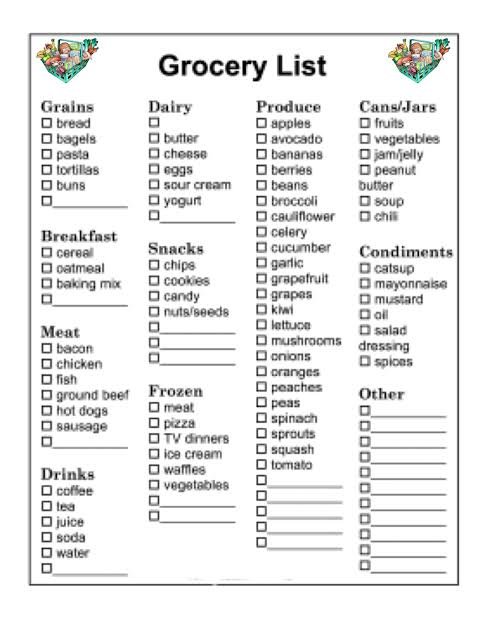
Striking that perfect balance requires an authoritative, realistic monthly grocery list for one person India style. Whether you are a college student, a corporate bachelor, or someone living solo, this comprehensive 30-day guide breaks down exact grocery quantities for one person, covers budget variations, provides a bachelor grocery list India layout, and includes a downloadable monthly checklist to make your supermarket or Blinkit runs effortless.
Quick 30-Day Grocery Summary for One Person
If you’re at the supermarket billing counter right now and need a quick reference, here is the complete summary of a standard monthly grocery list for one person in India:
| Grocery Category | Key Items | Monthly Quantity (1 Person) |
| Grains & Atta | Whole Wheat Atta, Basmati/Sona Masoori Rice, Poha, Rava, Besan | 4–5 kg Atta, 3–4 kg Rice, 500g Poha, 500g Rava, 500g Besan |
| Dals & Pulses | Toor Dal, Moong Dal, Masoor Dal, Chana Dal, Rajma, Chana | 1 kg Toor Dal, 500g Moong, 500g Masoor, 500g Rajma/Chana |
| Cooking Oils & Ghee | Mustard/Sunflower/Groundnut Oil, Desi Ghee | 1.5 Litres Oil, 250g–500g Ghee |
| Spices & Cooking Essentials | Haldi, Red Chilli, Dhania Powder, Jeera, Garam Masala, Salt | 100g basic spices each, 1 kg Salt, 50g Special Masalas |
| Breakfast & Snacks | Tea/Coffee, Sugar, Oats/Daliya, Whole Wheat Bread, Biscuits | 250g Tea/100g Coffee, 1 kg Sugar, 500g Oats, 2 loaves Bread |
| Dairy & Eggs | Milk, Curd, Paneer, Eggs | 15–20L Milk/mo, 1–2 kg Curd, 30 Eggs (1 crate) |
| Weekly Perishables | Onions, Tomatoes, Potatoes, Ginger, Garlic, Green Veggies | 3 kg Onions, 2 kg Tomatoes, 2 kg Potatoes, 250g Ginger/Garlic |
| Non-Food Essentials | Dishwash Liquid, Laundry Detergent, Toiletries, Cleaners | 500ml Dishwash, 1 kg Detergent, 1 Cleaner |
📌 Planning for a larger home? Check out our dedicated household guides:
2. Assumptions Behind These Indian Grocery Quantities
Before jumping into individual shopping aisles, let’s establish the baseline assumptions behind these numbers. Grocery requirements vary depending on lifestyle, but these standard grocery quantities for one person are calculated using the following realistic parameters:
- Meal Pattern: You cook 2 main meals a day (Lunch and Dinner) plus a basic morning breakfast and evening tea/coffee.
- Dietary Habit: A standard North or South Indian balanced diet combining roti, rice, dal, and cooked vegetables (sabzi).
- Office / Hybrid Routine: You eat lunch out or carry a packed tiffin 2 to 3 days a week, or order food on weekends.
- Wastage Reduction: Quantities are intentionally calculated to minimize food decay, pantry pest infestations, and clutter in small single-occupancy apartments.
3. Rice, Atta, and Food Grains Quantities
Carbohydrates form the backbone of the Indian diet. When compiling a monthly grocery list for one person India residents often over-purchase grains because flour and rice bags are commonly sold in 5kg or 10kg packages.
Here is the ideal breakdown for a single individual:
- Whole Wheat Atta (Flour): 4 kg – 5 kg
- Consumption Estimate: 2 rotis per meal = ~60–80g of raw flour daily.
- Pro-Tip: If you eat rice twice a day, cut your Atta intake down to 2 kg–3 kg per month.
- Rice (Sona Masoori, Kolam, or Basmati): 3 kg – 4 kg
- Consumption Estimate: 60g–70g raw rice per serving.
- Pro-Tip: If you prefer South Indian meals (boiled rice/Sona Masoori), buy 4 kg. For occasional dinner rice, 2 kg Basmati is sufficient.
- Poha (Flattened Rice): 500 g (Quick 10-minute breakfast option).
- Sooji / Rava (Semolina): 500 g (Great for Upma or quick Halwa).
- Besan (Gram Flour): 500 g (Ideal for Chilla, Kadhi, or quick evening snacks).
- Oats or Daliya (Broken Wheat): 500 g (For healthy, fiber-rich morning bowls).
4. Dal and Pulse Quantities (Lentil Requirements)
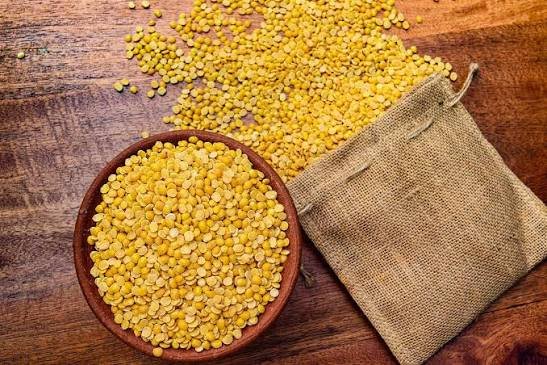
Dals and legumes are the primary source of plant-based protein for single individuals in India. Buying small 500g pouches ensures variety without cluttering your kitchen shelves.
Here is your 30-day pulse inventory:
+-------------------------------------------------------------+
|               MONTHLY DAL & PULSE INVENTORY                 |
+------------------------------+------------------------------+
| Dal / Legume Type            | 30-Day Quantity (1 Person)   |
+------------------------------+------------------------------+
| Toor / Arhar Dal             | 1.0 kg (Daily staple)        |
| Yellow Moong Dal             | 500 g (Light & easy to cook) |
| Red Masoor Dal               | 500 g (Fast cooking time)    |
| Chana Dal                    | 500 g (For tadka & veggies)  |
| Rajma / Kabuli Chana         | 500 g (Weekend special)      |
| Kala Chana / Whole Green Moong| 500 g (Healthy soaking/sprouts)|
+------------------------------+------------------------------+
Total Dal & Legumes:3.5 kg to 4.0 kg per month.
5. Indian Spices and Cooking Essentials
Spices form the heart of Indian cooking. If you are setting up your kitchen for the first time, you will need to buy these initial jars. However, for regular monthly restocking on a monthly grocery list for one person in India, you only need small replenishment packs.
Essential Ground Spices (Replenish every 2–3 months):
- Turmeric Powder (Haldi): 100 g
- Red Chilli Powder (Lal Mirch): 100 g
- Coriander Powder (Dhania): 100 g
- Garam Masala: 50 g
- Cumin Powder (Jeera Powder): 50 g
- Amchur (Dry Mango) or Chaat Masala: 50 g
Whole Spices (Replenish every 3–4 months):
- Cumin Seeds (Jeera): 100 g
- Mustard Seeds (Rai): 100 g
- Asafoetida (Hing): 1 small container (25g–50g)
- Bay Leaves, Cloves, & Cinnamon: 1 small mixed combo pack (50g)
Basic Cooking Salts:
- Table Salt / Pink Himalayan Salt: 1 kg bag (Lasts 2–3 months for one person).
6. Cooking Oil, Ghee, and Condiment Allowances
How much oil does one person consume in a month? According to health guidelines, an individual should consume roughly 1.0 to 1.5 Litres of cooking oil per month.
- Refined / Cold-Pressed Cooking Oil: 1.5 Litres (Mustard oil, Sunflower oil, Groundnut oil, or Sesame oil depending on regional preference).
- Desi Ghee: 250 g to 500 g (For topping rotis, dals, and khichdi).
- Tomato Ketchup / Sauce: 500 g bottle.
- Soya Sauce / Vinegar / Chilli Sauce: 1 small bottle each (Optional, for quick Chinese noodles or stir-fries).
- Pickles (Achar): 1 small 250g glass jar.
7. Breakfast and Snack Groceries
When living solo, late-night hunger pangs and morning rush hours are inevitable. Having the right bachelor grocery list India snacks on hand prevents expensive takeout orders.
- Tea Leaves / Coffee: 250 g Tea Powder OR 100 g Instant Coffee jar.
- Sugar / Jaggery (Gud): 500 g – 1 kg (Depending on tea/coffee consumption).
- Whole Wheat / Brown Bread: 2 medium loaves per month (Buy bi-weekly).
- Peanut Butter or Fruit Jam: 1 jar (350 g).
- Healthy Indian Snacks: 200 g Roasted Chana, 100 g Makhana (Foxnuts), or 200 g Roasted Peanuts.
- Biscuits / Namkeen: 2–3 small packs of Marie Gold, Digestive biscuits, or Bhujia.
8. Weekly Vegetable and Fruit Shopping List
Perishables should never be bought on a monthly basis. Buying vegetables in bulk for a single-person household leads to soggy coriander, yellowed spinach, and wasted money. Divide your vegetable shopping into 4 equal weekly cycles.
WEEKLY PERISHABLE SHOPPING CYCLE (Repeat 4 times a month)
┌────────────────────────────────────────────────────────┐
│  • Onions: 750g - 1kg                                  │
│  • Tomatoes: 500g - 750g                               │
│  • Potatoes: 500g                                      │
│  • Ginger & Garlic: 100g each                          │
│  • Green Chillies & Fresh Coriander: Small bundle      │
│  • Seasonal Veggies (Bhindi, Lauki, Shimla Mirch): 1kg │
│  • Fresh Fruits (Bananas, Apples, Papaya): 1 to 1.5kg  │
└────────────────────────────────────────────────────────┘
Total Monthly Perishable Aggregate for 1 Person:
- Onions: 3 kg
- Tomatoes: 2 kg to 2.5 kg
- Potatoes: 1.5 kg to 2 kg
- Ginger & Garlic: 250 g each (or 1 jar of Ginger-Garlic paste)
- Seasonal Vegetables: 4 kg to 5 kg total
9. Dairy, Eggs, and Protein Options
Protein intake is vital when living solo, as single diets often skew heavily toward simple carbohydrates.
- Fresh Milk: 500 ml daily packet (Approx. 15 Litres per month if consumed daily in tea/cereal/drinking).
- Curd (Dahi): 1 kg to 2 kg monthly (Or make fresh curd at home using 200ml milk).
- Paneer (Cottage Cheese): 200 g pack x 4 times a month = 800 g total.
- Eggs (Non-Vegetarian): 1 to 2 trays (30 eggs total per month).
- Chicken / Fish / Mutton (Non-Vegetarian): 500 g weekly (~2 kg per month stored in freezer).
10. Items That Should NOT Be Purchased Monthly
When curating your monthly grocery list for one person India standard, avoid adding these items to your 30-day recurring shopping cart:
- Massive 10 kg Grain Sacks: Unless you get a massive discount, 10 kg of flour or rice takes 3–4 months for one person to finish and risks infestation by flour beetles (susu).
- Bulk Green Leafy Vegetables: Spinach (Palak), Methi, and Mustard greens rot within 3–4 days in standard domestic refrigerators.
- Large 5-Litre Oil Cans: Oil oxidizes and goes rancid when opened and unused over long periods. Buy 1-Litre or 1.5-Litre pouches instead.
- Exotic Sauces & Baking Ingredients: Unless you cook Italian or Mexican dishes daily, large bottles of pasta sauce, mayonnaise, oregano, or baking powder usually expire unused.
11. Minimal Bachelor Grocery List India (Student Special)
If you are a university student or a working professional living in a small room with limited kitchen equipment (like a single-burner induction stove or a basic electric rice cooker), here is the streamlined bachelor grocery list India variation:
Absolute Bare-Minimum Essentials:
- Atta: 3 kg (or ready-made frozen chapatis)
- Rice: 2 kg
- Toor Dal & Yellow Moong Dal: 500 g each
- Maggi / Instant Noodles: 1 multipack (4–6 packs)
- Cooking Oil: 1 Litre
- Basic Spices: Haldi, Red Chilli, Garam Masala, Salt
- Onions & Potatoes: 2 kg each (Long shelf life, no fridge required)
- Bread, Butter, & Jam: Emergency quick meals
- Eggs: 1 Crate (30 eggs)
- Tea/Coffee & Milk: As per routine
12. Pantry Tiers: Basic vs. Moderate vs. Well-Stocked
Depending on your cooking habits, monthly budget, and kitchen space, choose the pantry tier that fits your single lifestyle best:
+-----------------------------------------------------------------------------------+
|                           SOLO PANTRY TIER MATRIX                                 |
+-------------------+-----------------------------------+---------------------------+
| Tier Level        | Ideal For                         | Estimated Monthly Cost    |
+-------------------+-----------------------------------+---------------------------+
| 1. Basic / Lean   | Students, non-cooks, heavy diners | ₹1,500 – ₹2,200           |
| 2. Moderate       | Balanced home cooks, hybrid work  | ₹2,500 – ₹3,500           |
| 3. Well-Stocked   | Foodies, home bakers, meal preppers| ₹4,000 – ₹5,500           |
+-------------------+-----------------------------------+---------------------------+
Tier Details:
- Basic Tier: Covers basic roti-dal-rice, tea, and eggs. Relies on minimal cooking equipment.
- Moderate Tier (Recommended): Covers multi-grain variety, multiple dals, ghee, fresh curd, fruits, dry fruits, and occasional snacks.
- Well-Stocked Tier: Includes organic grains, cold-pressed oils, exotic herbs, dry fruits (almonds, cashews, raisins), specialty teas, cheese slices, and gourmet sauces.
13. How to Adjust Grocery Quantities for Eating Out
Let’s be real: living alone in India means Swiggy discounts, weekend dinner outings with colleagues, and impromptu office lunch plans. If you don’t adjust your grocery quantities for one person, you will end up wasting raw food.
Follow this simple adjustment rule:

- If you eat out 2 meals per week: Reduce overall Atta, Rice, and Dal quantities by 15%.
- If you eat out 4 to 5 meals per week: Reduce Atta and Rice by 35%, and stop buying fresh milk daily (switch to 200ml Tetra Packs or UHT milk).
- If you travel for work on weekends: Eliminate weekly fruit purchases and stick to long-lasting veggies like potatoes, onions, garlic, and pumpkin.
14. Frequently Asked Questions (FAQs)
Q1. What is the average monthly grocery bill for one person in India?
Ans: For a single person living in an Indian city, a standard home-cooked grocery budget ranges between ₹2,000 and ₹3,500 per month. This covers food grains, pulses, spices, oil, basic dairy, eggs, and weekly fresh vegetables.
Q2. How much rice and atta does one person eat in a month?
Ans: On average, an Indian adult eating balanced meals consumes approximately 4 kg to 5 kg of Atta and 3 kg to 4 kg of Rice per month. If your diet is rice-heavy, reduce wheat flour to 2 kg and increase rice to 5 kg.
Q3. How do I prevent pulses and grains from getting bugs when living alone?
Ans: Store all dals, rice, and atta in airtight glass or BPA-free plastic containers. Add 2–3 dry bay leaves (tej patta) or dried neem leaves into your rice and dal containers. For besan and sooji, dry-roast them lightly in a pan before storing, or keep them inside the refrigerator.
Q4. Is it cheaper to buy groceries monthly or weekly for a single person?
Ans: A hybrid approach works best! Buy dry non-perishables (rice, atta, dals, oil, spices, cleaning supplies) once a month in bulk to get discounts. Buy perishables (vegetables, green chillies, milk, bread, fruits) on a weekly basis.