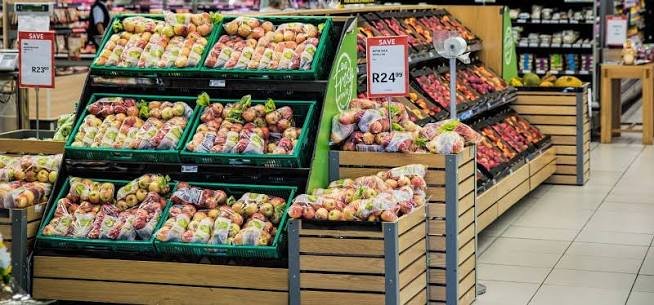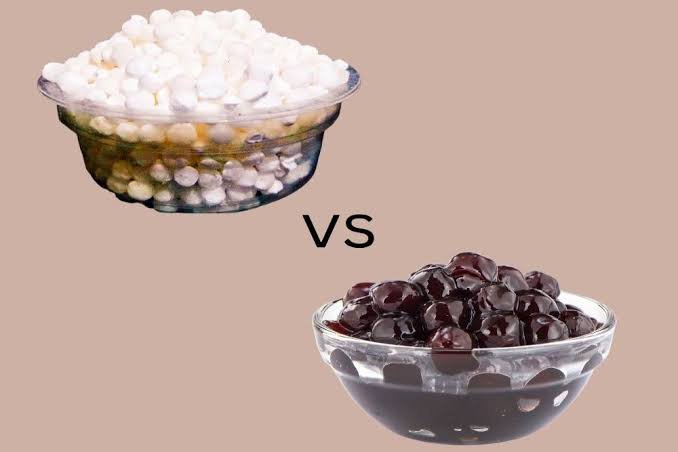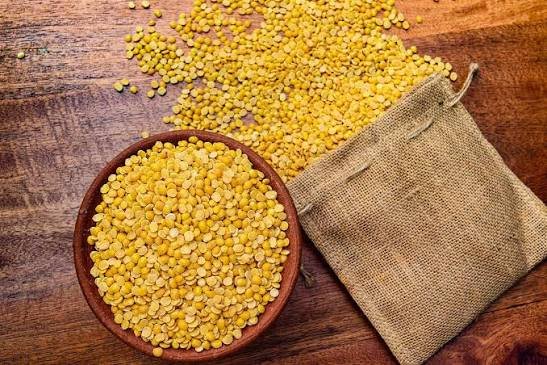

Setting up your first kitchen as a newlywed couple, moving into a new apartment with a roommate, or starting out as young professionals can feel incredibly liberating. You finally have your own space, your own kitchen rules, and the freedom to cook whatever you want. Now what ? Let’s work out Indian monthly grocery list for 2 persons
But then comes the reality check: Your first solo trip to the local supermarket or grocery delivery app.
You walk down the aisles surrounded by massive 10 kg bags of atta, sweeping rows of glittering spice jars, and endless brands of cooking oils. Without a plan, your cart quickly fills up based on guesswork. You think, “We eat a lot of rotis, right? Let’s grab 10 kg of atta.” Or, “We definitely need three different types of mustard oils.”
Three weeks later, you find yourself staring at a kitchen stuffed with expiring food, bugs in the lentils, and a bank account that took a heavy hit.
Estimating a monthly ration list items budget for a small household is notoriously tricky. Most traditional Indian households are structured around larger joint families, meaning most recipes and standard grocery guidelines assume you are cooking for five to eight people. When you scale those habits down to just two people, you end up with massive food waste and a cluttered pantry.
Don’t worry. This guide will break down the ultimate Indian monthly grocery list for 2 persons. We will look at a practical estimation framework, outline a complete categorized checklist with exact weights, identify hidden “first-time setup” costs, and provide an interactive tool to manage your shopping directly on your phone.
The Essential Framework: How to Estimate Quantities Without Creating Food Waste
Before we look at the specific ingredients, let’s understand the math behind how two adults consume food in a typical Indian household. The goal is to build a kitchen setup that is efficient, zero-waste, and fits perfectly within a modern kitchen items list for middle class family budget.
The single biggest mistake small households make is buying everything in bulk to save a few rupees. While buying a 10 kg bag of rice offers a slight discount per kilo, if it takes a couple six months to finish it, the rice can attract pantry pests, lose its freshness, and take up valuable space in a small kitchen.
1. The Weekly vs. Monthly Divide
Your grocery ecosystem should be split into two strict buckets:
- The Monthly Ration Bucket: These are shelf-stable, dry items like whole wheat flour (atta), basmati rice, lentils (daals), cooking oils, structural ground spices, and cleaning supplies. You buy these exactly once a month.
- The Weekly Fresh Bucket: These are highly perishable items like milk, paneer, fresh vegetables, fruits, eggs, bread, and fresh coriander or curry leaves. Trying to buy these on a monthly basis is impossible unless you plan on eating frozen or withered food by week three.
2. The Eating-Out Factor
Be honest about your lifestyle. If you are young professionals or busy newlyweds, are you genuinely cooking three meals a day, seven days a week at home?
Most couples order takeout or eat out at least two to three times a week, especially on weekends. Therefore, our target household provisions checklist below calculates quantities based on cooking roughly 22 to 25 days out of the month. This buffer protects you from overbuying and ensures your ingredients stay entirely fresh.

The Categorized Budget Checklist for 2 Persons
Here is the exact breakdown of what two adults actually consume in a month. These quantities are optimized to keep your meals varied and healthy without overloading your cabinets.
1. Main Staples & Flours
These form the absolute foundation of your daily breakfast, lunch, and dinner.
| Item Category | Specific Item | Recommended Quantity for 2 People |
| Flours | Whole Wheat Atta | 5 kg |
| Maida or Sooji (Rava) | 500 g | |
| Rice Varieties | Sona Masuri or Basmati Rice | 3 kg to 4 kg |
| Poha (Flattened Rice) | 1 kg | |
| Breakfast Basics | Rolled Oats or Vermicelli | 500 g |
| Whole Wheat Bread / Pav | 2 Packets (Buy weekly) |
2. The Lentil & Pulse Portfolio (Daals)
Indian cooking relies heavily on variety. Instead of buying 2 kg of one daal, buy smaller 500-gram packs of multiple varieties to keep your daily meals exciting.
- Toor Daal (Arhar): 1 kg (The daily lunchtime staple)
- Moong Daal (Yellow): 500 g (Light and easy for quick dinners)
- Chana Daal / Kala Chana: 500 g
- Urad Daal (Whole or Split): 500 g (Essential if you make homemade idli/dosa batter)
- Rajma or Kabuli Chana (Chickpeas): 500 g each (For weekend special meals)
3. Cooking Oils, Ghee, and Fats
Small households often overuse oil simply because they buy massive 5-liter cans that encourage heavy pouring. Stick to 1-liter pouches or bottles.
- Primary Cooking Oil (Mustard, Sunflower, or Rice Bran): 2 Liters
- Pure Cow Ghee: 500 ml (For paranthas, dals, and khichdi)
- Finishing Oil (Optional – Olive Oil or Cold-Pressed Coconut Oil): 500 ml
4. Daily Essential Spices & Seasonings
If your spice box is already running, these are the monthly top-ups needed to keep your cooking ingredients shopping list complete.
- Iodized Table Salt: 1 kg
- Turmeric Powder (Haldi): 200 g
- Kashmiri Red Chili Powder: 200 g
- Coriander Powder (Dhania): 200 g
- Garam Masala Powder: 100 g
- Whole Cumin Seeds (Jeera): 200 g
- Mustard Seeds (Rai): 100 g
5. Dairy & Perishables (Calculated for Monthly Budgets)
While you purchase these on a weekly or daily cycle, you should budget for these total quantities across the month:
- Fresh Milk: 15 Liters total (Assuming 500 ml per day for tea/coffee)
- Fresh Yogurt or Dahi: 3 kg to 4 kg total
- Paneer: 1 kg total (Split into four 250 g weekend meals)
- Amul Butter: 200 g
The “First-Time Setup” Hidden Costs
If you are transitioning into a brand-new apartment, your first grocery bill will always look shockingly high. This isn’t because you are overeating; it is because you have to invest in long-term items that you only buy once every six months to a year.
When establishing your baseline kitchen items list for middle class family setup, separate these long-term investments from your regular food budget so you don’t skew your monthly tracking.
1. Bulk Whole Spices (The Flavor Anchors)
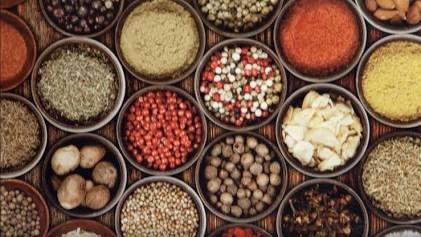
You don’t use these in large quantities, but buying them all at once during week one adds up. Thankfully, a single 50-gram packet of these will easily last a couple six months:
- Asafoetida (Hing) – 1 small container
- Green Cardamom (Elaichi), Cloves (Laung), Cinnamon sticks (Dalchini), and Bay Leaves (Tejpatta)
- Whole Black Peppercorns
2. Cleaning, Utilities & Home Care
These items quietly sit at the bottom of your grocery receipt but often cost more than the actual food staples:
- Dishwashing Liquid/Bars: 1 Liter liquid or a 3-pack of bars
- Laundry Detergent: 2 kg powder or 1.5 Liters liquid gel
- Toilet Cleaners & Floor Disinfectants: 1 Liter each
- Garbage Bags: 1 Pack (Size Medium for small kitchens)
- Kitchen Paper Rolls & Sponges: 1 Multi-pack
Smart Grocery Calculator
To make your life completely stress-free, use this interactive calculator before heading to the store. Simply select your primary diet type and adjust the sliders based on how often you plan to cook at home this month. The tool will automatically compute your custom weight estimates for your Indian monthly grocery list for 2 persons!
Pro-Tips for Shopping Your Monthly Ration list Items Like a Pro
- Never Shop on an Empty Stomach: This is a proven psychological trick. If you walk into a grocery store hungry, you will buy 40% more snack items, instant noodles, and biscuits than what is on your list.
- Embrace Storage Jars: The moment your monthly items arrive, transfer them into clear glass or airtight plastic containers. Label them with the date of purchase. This prevents moisture from ruining your flour and keeps annoying pantry insects at bay.
- Audit Before You Order: On the 28th of every month, clear out your pantry shelves completely. See what is left over. If you still have 1 kg of atta left from last month, subtract that from your upcoming list. Never buy blindly out of habit.
Conclusion: Enjoying the Process of Building Your Home
Managing an Indian monthly grocery list for 2 persons doesn’t have to be an overwhelming chore or a source of financial stress. By understanding your actual eating patterns, prioritizing freshness over bulk hoarding, and tracking your staples using our framework, you will save money, slash your kitchen waste to zero, and keep your meals incredibly fresh and healthy.
Take it one month at a time, adapt the list to your personal regional cooking styles, and enjoy the beautiful process of setting up your shared kitchen!
See Also
Indian Monthly Grocery List For 2 Persons
Grocery List | Maligai Saman List | Grocery Shopping List | Grocery List For 2 Persons
Thick Poha vs. Thin Poha: Can You Use Them Interchanged?