
We have all been there regarding Difference between thick poha and thin poha. It is Sunday morning, your stomach is growling, and you are craving a warm, comforting plate of home-cooked breakfast. You decide to make a classic, steaming plate of Kanda Poha—loaded with roasted peanuts, bright turmeric, a squeeze of fresh lime, and crunchy onions. You pull open the pantry, grab a brand-new packet of flattened rice, and dump it straight into a colander.
You turn on the tap, run water over the flakes to soften them just like your mom taught you, and walk away for thirty seconds to chop an onion.
When you look back at the sink, horror strikes. Instead of beautifully plump, individual, separated rice flakes, your colander is holding a giant, gloopy, sad puddle of white mush. It looks less like an iconic Indian breakfast and more like wallpaper paste.
What went wrong? You followed the recipe perfectly! You didn’t leave it soaking in a bowl of water; you just rinsed it under the tap!
The culprit behind this heartbreaking breakfast tragedy is a tiny, easily missed detail printed on the packaging grid: The Thickness. To the uninitiated beginner cook, all flattened rice looks identical. But in the world of Indian cooking, understanding the difference between thick poha and thin poha is the line between a culinary masterstroke and a total kitchen disaster. Today, we are settling the debate once and for all, examining why these two varieties behave like completely different ingredients and how to make sure you never ruin a breakfast batch again.
The Core Difference: How Flaked Rice is Made
To understand why one type of flattened rice holds its shape under running water while the other dissolves instantly, we have to look at the mechanical milling process behind how these traditional rice flakes are made.
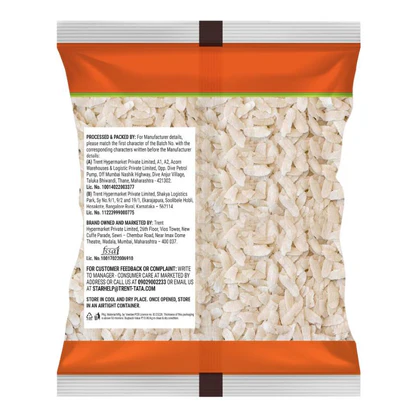
All Poha (also known as Atukulu in Telugu, Aval in Tamil and Malayalam, and Chira in Bengali) starts its journey as regular paddy grains. The raw rice paddy is first soaked in hot water for several hours, then roasted briefly to parboil the starch inside the husk. While the grains are still piping hot and pliable, they are fed into heavy industrial flattening rollers or traditional heavy pounding machines.
[ Raw Rice Paddy ] ──> Soak & Parboil ──> Heavy Rollers (High Pressure) ──> [ Thin Poha ] (Delicate/Paper-like)
                                       ──> Light Rollers (Low Pressure)  ──> [ Thick Poha ] (Robust/Sturdy)
The gap setting between these heavy crushing rollers determines the destiny of your breakfast:
- Thick Poha Manufacturing: The rollers are set with a slightly wider gap. The hot rice grain is flattened just enough to crack the husk open and create a robust, sturdy, relatively thick flake. It retains a solid starch core, which gives it structural integrity.
- Thin Poha Manufacturing: The rollers are tightened significantly, exerting massive pressure. The rice grain is squashed down to a fraction of a millimeter. This creates a paper-thin, translucent, highly delicate flake that is incredibly sensitive to external factors like humidity and moisture.
Because of this manufacturing divergence, their structural absorption rates are wildly different. Thick flakes require external moisture and heat to become tender, whereas thin flakes are so delicate that they can cook completely using nothing but ambient steam or residual moisture from raw vegetables!
When to Use Thick Poha: The King of Breakfasts
Thick flattened rice is the undeniable workhorse of the Indian morning routine. It is durable, forgiving, and built to withstand moisture, tossing, and direct pan heat without losing its shape.
1. Traditional Steamed Breakfast Recipes
If you are planning to cook the famous Kanda Batata Poha (Maharashtrian style) or the vibrant Indori Poha (topped with fennel seeds and crispy sev), you must exclusively reach for the thick variety. Because these dishes require the rice flakes to be thoroughly rinsed, seasoned, and steamed in a pan alongside onions, potatoes, and oil, you need a grain that won’t disintegrate under friction.
Thick flakes act like mini sponges—they absorb the bright yellow turmeric oil, the sweet juices of sautéed onions, and the sour punch of lemon juice while remaining perfectly separate, fluffy, and non-sticky.
2. Deep-Fried Crispy Party Snacks
Have you ever bought those commercial festive snack mixes filled with bright yellow, intensely crunchy, hollowed-out rice flakes? That crunch is achieved by dropping raw, dry thick flakes directly into roaring hot oil.
The moisture trapped inside the thick starch core vaporizes instantly upon hitting hot oil, causing the sturdy flake to instantly puff up to three times its original size, creating an incredibly light, crunchy texture that doesn’t feel greasy. Thin flakes cannot handle this process; they will burn to a crisp before they even have a chance to puff up properly.
When to Use Thin Poha: The Snack & No-Cook Champion
Thin flattened rice is a delicate creature that requires a gentle touch. Direct boiling or washing is an absolute zero-tolerance zone for this variety. Instead, it shines in dry preparations and quick, minimalist snacks.
1. Roasted Chivda and Diet Mixes
The primary domain of thin flakes is the creation of Sukha Chivda (dry savory snack mix). Because the flakes are paper-thin, you don’t need to fry them or soak them to make them edible.
You simply toss them into a dry, warm pan on low heat. Within minutes, the ambient heat roasts them into brittle, crackling chips. Toss them with a light tempering of oil, mustard seeds, curry leaves, roasted dals (dalia), and green chilis, and you have a healthy, oil-free, low-calorie snack that keeps beautifully in an airtight container for weeks.
2. No-Cook Sweet Breakfast Mixtures
In many regional Indian households, particularly across West Bengal, Odisha, and South India, thin flakes are used for effortless, heat-free morning meals.
Because thin flakes soften instantly upon contact with any cold liquid, you can simply mix raw thin flakes directly into a bowl of cold milk, sweet yogurt (Dahi Chura), or coconut milk. Top it with mashed bananas, jaggery, and grated coconut, and you have a complete, fiber-rich breakfast ready in less than sixty seconds without ever touching a stove.
What Happens if You Swap Them? A Cautionary Kitchen Tale
Let’s look at what happens if you try to use them interchangeably without modifying your cooking technique. This is where many beginner home cooks find themselves ordering emergency takeout.
Scenario A: Putting Thin Poha into a Kanda Poha Recipe
You have a bag of thin flakes, and you decide to make a hot breakfast. You rinse it under the tap. Within three seconds, the paper-thin sheets absorb water past their saturation point. The starch molecules completely rupture, liquefying into a sticky paste.
When you dump this mixture into your hot pan with sautéed onions, the heat activates the wet starches, turning your breakfast into a sticky, gummy, dense block of dough. It will stick to the bottom of your pan, it won’t absorb any spices evenly, and the texture will feel unpleasantly pasty in your mouth.
Scenario B: Putting Thick Poha into a Roasted Chivda Recipe
You want to make a quick dry snack, but you only have thick flakes. You throw them into a dry frying pan and roast them on low heat. Because thick flakes have a dense, un-milled core, dry heat will only make the outside dry and chalky, while the inside remains rock-hard.
When you take a bite of your chivda, instead of a light, delicate crunch, it will feel like you are chewing on raw, uncooked grains of dry rice. You run a very real risk of chipping a tooth!
The Master Cheat Sheet: Quick Comparison at a Glance
To prevent any future grocery store mix-ups, copy this quick-reference framework into your kitchen notes:
| Feature/Attribute | Thick Poha (The Heavyweight) | Thin Poha (The Paperweight) |
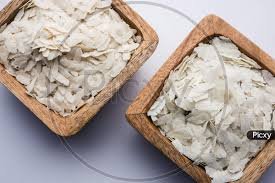
| Visual Appearance | Opaque, chalky white, defined edges, visibly raised surface. | Translucent, semi-transparent, flat, uneven crinkled edges. |
| Water Tolerance | High. Can be thoroughly washed and kept damp for 10 minutes. | Zero. Dissolves into paste upon direct contact with flowing water. |
| Best Preparation Method | Steaming, sautéing, or deep-frying. | Dry roasting, pan-toasting, or direct liquid mixing. |
| Iconic Recipes | Kanda Poha, Batata Poha, Indori Poha, Fried Chivda. | Roasted Diet Chivda, Dahi Chura, Aval Milk shake mixes. |
| Texture Target | Soft, plump, individual separate grains with a gentle chew. | Brittle, paper-like crispness, or instant melt-in-the-mouth softness. |
The Beginner’s Guide to Non-Sticky Poha: A Foolproof Method
If you are working with thick poha and want to achieve that legendary, restaurant-style fluffy texture where every single flake stands proud and separate, follow this precise washing protocol:
- The Strainer Strategy: Place your measured thick flakes inside a large mesh strainer or colander. Never drop them directly into a deep bowl of water.
- The Gentle Shower: Run cold tap water over the strainer for exactly 10 to 15 seconds, gently moving the flakes around with your fingers so every grain gets damp. You are not trying to soak them; you are just giving them a quick rinse to wash away loose surface starch.
- The Rest Protocol: Shut off the water, shake out the excess drops, and place the strainer over an empty bowl. Let it sit completely undisturbed for 7 to 10 minutes.
- The Fluff Test: During this resting phase, the damp core of the thick grain will slowly drink up the moisture clinging to the outside. When you check it after 10 minutes, the flakes will have swollen to twice their size, feeling perfectly tender to the touch while remaining completely loose and dry on the surface. Gently break up any small clumps with a fork before adding them to your pan.
Conclusion: Setting Up a Smart Pantry
At the end of the day, neither variety is superior to the other—they simply serve two completely different masters in the pantry ecosystem. Thick flattened rice is your ultimate ally for hearty, warm, comforting breakfast plates that fuel your busy mornings. Thin flattened rice is your low-calorie secret weapon for midnight crunchy cravings and zero-effort, no-cook summer meals.
The next time you walk down the supermarket aisle, take a close look at the text on the bag. Buy a packet of each, label your kitchen storage containers clearly, and deploy them strategically based on what your stomach is craving. Your kitchen confidence—and your Sunday morning breakfast plates—will thank you!
See Also
Thick poha vs thin poha
Thin Chivda Vs Thick Chivda | पतला चिवड़ा Vs मोटा चिवड़ा
Sona Masoori vs. Basmati Rice: Which One for Daily Use?