
Picture this: You are right in the middle of making a rich, creamy paneer gravy or a comforting bowl of dal. The recipe calls for fresh methi (fenugreek leaves) to add that signature rustic, earthy depth. You open your vegetable basket, only to find that the fresh bunch you bought a few days ago has turned yellow and mushy.
But wait! You spy a small box of dried fenugreek leaves sitting in your spice container.
Naturally, the burning question pops up: can you use kasuri methi instead of fresh methi?
The quick answer is yes, absolutely—but with a few major catches. While they come from the exact same plant family, they behave like entirely different ingredients in the pan. Dropping a handful of dried leaves into a dish that requires fresh greens can completely change the texture and bitterness of your meal if you do not adjust your technique.
In this ultimate Indian kitchen substitution guide for grocery-bazaar.com, we will break down exactly how to pull off this swap, the correct conversion ratios, and when you should never try it.
What is Kasuri Methi? The Dried Wonder Spice
Before we compare them, let’s quickly look at what we are actually pulling out of the pantry.
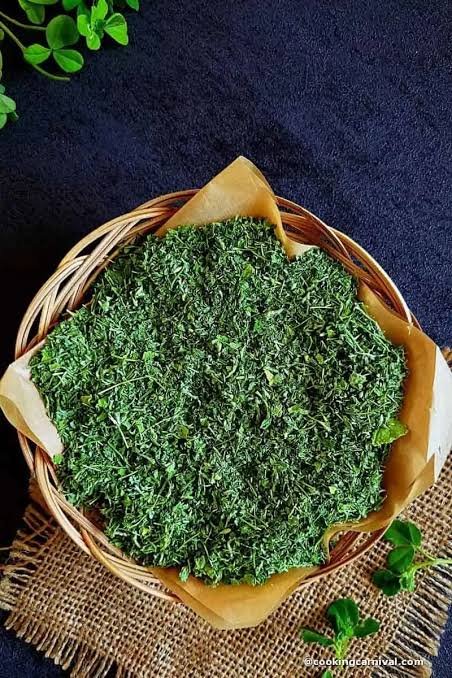
Kasuri methi is simply fresh fenugreek leaves that have been systematically dehydrated. The name “Kasuri” comes from Kasur, a region in undivided Punjab (now in Pakistan) that historically grew the most aromatic, high-grade fenugreek crops due to its unique soil composition.
When fresh methi leaves are slowly sun-dried or machine-dehydrated, their water content evaporates entirely. This process heavily concentrates their natural essential oils. It changes the herb from a mild, grassy vegetable into an incredibly potent, aromatic spice that can instantly elevate a basic dish into restaurant-style gourmet food.
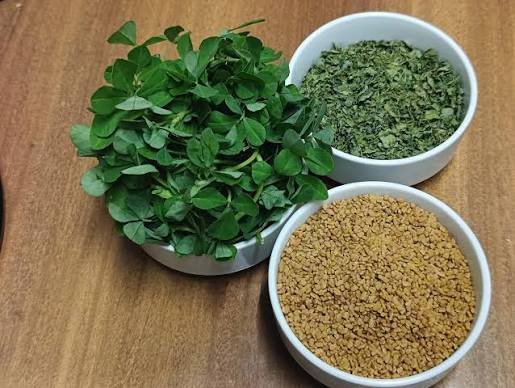
Fresh Methi vs Kasuri Methi: The Ultimate Showdown
To understand how to substitute them properly, you have to look at them side by side. They might share a genetic footprint, but their roles in Indian cooking are vastly different.
+-------------------------+------------------------------------------+------------------------------------------+
| Feature                 | Fresh Methi Leaves                       | Kasuri Methi (Dried Leaves)              |
+-------------------------+------------------------------------------+------------------------------------------+
| Primary Culinary Role   | Used as a leafy green vegetable (Saag)   | Used purely as a finishing spice/herb    |
| Moisture Content        | High; wilts down significantly when cooked| Zero; completely dry and brittle         |
| Flavor Profile          | Mildly bitter, grassy, herbal, sharp      | Deeply savory, nutty, maple-like aroma   |
| Bitterness Level        | High (if stems are included or overcooked)| Controlled, mellow, concentrated bitter  |
| Shelf Life              | 3 to 5 days in a refrigerator            | 6 to 12 months in an airtight jar        |
+-------------------------+------------------------------------------+------------------------------------------+
The Big Taste Difference
Fresh fenugreek leaves taste clean, sharp, and distinctly green. They have a sharp, bright bite that cuts through heavy fats.
Dried fenugreek leaves lose that sharp, raw edge. Instead, the dehydration process unlocks a deeply complex, caramelized flavor profile. It carries a strong scent that is highly reminiscent of maple syrup and toasted nuts. It doesn’t taste like “greens” anymore—it tastes like pure umami.
When Can You Use Kasuri Methi Instead of Fresh Methi?
This substitution works beautifully in dishes where fenugreek acts as a flavor accent rather than the bulk of the meal. If a recipe asks you to throw in a handful of finely chopped fresh methi leaves just to add an earthy note to a base sauce, the dried version will do an incredible job.
Here is where the swap shines:
- North Indian Gravies: Cream-heavy restaurant style dishes like Paneer Butter Masala, Malai Kofta, or Chicken Tikka Masala actually prefer the dried spice over the fresh vegetable. It blends seamlessly into the velvety smooth tomato-onion reduction.
- Lentils and Sambar: Swirling a pinch of crushed dried leaves into hot, boiling Dal Tadka or Arhar Dal right before serving gives it a beautiful, smoky fragrance that mimics clay-pot cooking.
- Rich Meat Marinades: If you are preparing chicken, fish, or mutton for a tandoori bake or a barbecue, mixing the dried herb into the yogurt marinade infuses the meat far deeper than fresh leaves ever could.
When It Absolutely Does Not Work
There are certain traditional Indian recipes where trying to swap fresh greens for dry flakes will result in an absolute kitchen disaster.
As a general rule of thumb: If methi is the main hero ingredient or provides the bulk texture of the dish, you cannot make the switch.
Avoid using the dried substitute in:
- Methi Matar Malai: This classic winter dish relies heavily on the soft, bulky texture of fresh green leaves playing against sweet green peas. If you try to build this volume using dried leaves, the dish will turn incredibly dark, chalky, and overwhelmingly bitter to the point of being inedible.
- Aloo Methi Stir-Fry: Dry sabzis require the fresh leaves to release natural steam and moisture as they wilt down around the potatoes. Using dried leaves here will leave you with a gritty, unappealing texture.
- Methi Saag or Thepla (Bulk Version): Traditional Gujarati theplas need a massive volume of chopped green leaves mixed into the wheat flour to stay soft and moist. While you can add a tiny pinch of dried leaves for scent, it cannot replace the green bulk.
The Golden Ratio: How Much Kasuri Methi to Use Instead of Fresh Methi
Because dried herbs are incredibly concentrated, you can never do a 1:1 swap by volume. If you put a whole cup of dried leaves into a dish that asked for a cup of fresh greens, you will ruin your meal with intense, medicine-like bitterness.
Use this easy kitchen conversion formula:
1 Cup of Chopped Fresh Methi Leaves = 1 to 1.5 Tablespoons of Dried Kasuri Methi
Always error on the side of caution. Start with a single tablespoon, let the dish simmer for two minutes to release the aromatic oils, taste the gravy, and only add more if you feel the background notes are too faint.
How to Adjust Your Recipe for Best Results
If you are executing this swap, you cannot just drop the dried leaves in at the exact same step the recipe tells you to add fresh greens.
The Preparation Method
Fresh leaves are typically washed, chopped, and sautéed early in the cooking process alongside onions and ginger-garlic paste to cook off their raw bitterness.
For the dried version, you want to bypass the early frying phase completely. Instead, follow this simple process:
1.Gently Warm the Dried Leaves:Takes less than a minute.
Place your measured portion of dried leaves on a warm tawa or skillet on low heat for 30 to 45 seconds just until you smell a sweet, nutty aroma.
2.Crush It Between Your Palms:Releases the trapped essential oils.
Let the warm leaves cool for a few seconds so they become perfectly brittle. Place them in the palm of one hand and rub your hands together vigorously to crush them into a coarse powder.
3.Introduce at the Very End:Never add it to dry oil.
Sprinkle the crushed powder directly over your simmering gravy or dal during the final 2 to 3 minutes of cooking.
4.Cover and Let It Rest:Traps the escaping aroma inside.
Turn off the kitchen flame, place a tight lid over your pan, and let the dish rest undisturbed for 5 minutes before serving. This traps the volatile aromas directly inside the sauce.
Best Dishes to Try the Substitution Guide On
If you want to test this out, here is exactly how to handle the swap across five classic Indian kitchen favorites:
1. Restaurant-Style Paneer Gravies
When making Shahi Paneer or Kadai Paneer, instead of finely chopping fresh leaves to sauté with the onions, simply skip that step. Finely crush a tablespoon of the dried spice over the gravy right before turning off the gas stove. It gives it that signature luxurious hotel aroma.
2. Homestyle Dal Tadka
If a recipe calls for fresh fenugreek to be added to the pressure cooker with the lentils, skip it. Instead, add a teaspoon of crushed dried leaves directly into your hot ghee and cumin tadka (tempering) just before pouring it over the boiled dal.
3. Butter Chicken or Chicken Makhani
Fresh greens can look stringy and unappealing in a ultra-smooth Makhani gravy. The dried version is the industry standard here. It cuts through the sweetness of the tomatoes and honey beautifully without altering the silky texture.
4. Aloo Tuk or Jeera Aloo
While you cannot make a standard Aloo Methi stir-fry with dried flakes, you can absolutely add a gorgeous twist to Jeera Aloo. Toss your boiled potatoes in oil and spices as usual, and toss in a light sprinkling of toasted dried leaves during the last minute of frying for a beautiful, earthy crunch.
5. Quick Emergency Parathas
Want Methi Parathas but don’t have time to clean, pluck, and chop fresh greens? Simply rub two tablespoons of dried leaves into your whole wheat dough along with a pinch of carom seeds (ajwain), red chili powder, and salt. Knead with warm water, and you will get incredibly fragrant, flaky parathas in half the time.
Storage and Shelf Life: Keeping Your Pantry Spice Potent
Unlike fresh greens that turn into a sad, brown sludge inside your refrigerator crisper drawer within four days, dried fenugreek leaves are highly resilient pantry stables.
- Airtight Containers Are Non-Negotiable: Once you open a commercial cardboard box or plastic pouch of dried leaves, transfer it immediately into a clean, bone-dry glass jar with a tight-fitting screw top. Exposure to open humidity will turn the leaves limp and ruin their aroma.
- Keep It Away from Heat: Do not store your spice jar directly above your stove or oven. Constant ambient heat causes the delicate essential oils to break down rapidly, leaving you with a jar of flavorless, dusty green flakes.
- The Expiry Test: Pure dried fenugreek can easily last up to a full year. To check if your supply is still good, take a small pinch and rub it between your fingers. If you don’t instantly get a strong, fragrant, savory whiff, the oils have dried out, and it’s time to restock your pantry.
Frequently Asked Questions (FAQs)
1. Does kasuri methi taste more bitter than fresh methi?
In its concentrated dry form, yes, it can taste intensely bitter. However, when crushed and simmered correctly in small quantities at the end of a recipe, its bitterness completely mellows out into a deeply rich, savory, and aromatic undertone.
2. Can I use fenugreek seeds (methi dana) as a substitute for fresh leaves?
No, avoid doing this. Fenugreek seeds have a completely different, intensely hard texture and a very sharp, biting bitterness that changes when fried in oil. They cannot replicate the soft, herbal, aromatic leaf notes of either fresh or dried fenugreek leaves.
3. Do I need to wash kasuri methi before adding it to my food?
No, never wash it. Washing it will wash away the fragile aromatic oils and turn the dry flakes into a soggy, unworkable paste. Premium, certified brands are thoroughly cleaned and processed under hygienic conditions before dehydration, making them immediately ready for your pan.
4. Can I make my own dried fenugreek leaves at home?
Absolutely! If you have an abundance of fresh winter methi, pluck the leaves, wash them thoroughly, and pat them completely dry with a clean kitchen towel. Spread them evenly across a clean cloth and sun-dry them for 2 to 3 days until they become perfectly crisp and brittle, then store them away.
See Also
INSTANT KASURI METHI AT HOME FROM FRESH METHI LEAVES | EASY METHOD
How to make Kasuri methi ( Dry Fenugreek leaves) at home!
Does Hing Expire? How to Store Asafoetida Without Losing Its Aroma
How to Store Curry Leaves in the Fridge: Keep Kadi Patta Fresh for Weeks