
Dal not soft after pressure cooking? Don’t worry! Dal can remain hard because of insufficient cooking time, too little water, old pulses, hard water, inadequate soaking, or acidic ingredients added too early. Fortunately, most undercooked dal can be saved by adding some hot water and cooking it further until the grains become tender.
Picture this: You’ve prepared rice, chopped the coriander, and made a delicious tadka with jeera, garlic, and dried red chillies. You open the pressure cooker, expecting perfectly soft dal, only to discover that the grains are still hard!
Sounds familiar?
Whether you’re preparing everyday arhar dal, comforting moong dal khichdi, or Bengali cholar dal, getting the right texture can sometimes be tricky.
The good news is that hard dal in a pressure cooker doesn’t necessarily mean you’ve ruined dinner.
In this practical kitchen guide, we’ll explore why dal remains hard after cooking, how to rescue it, and what you can do to prevent the same problem next time.
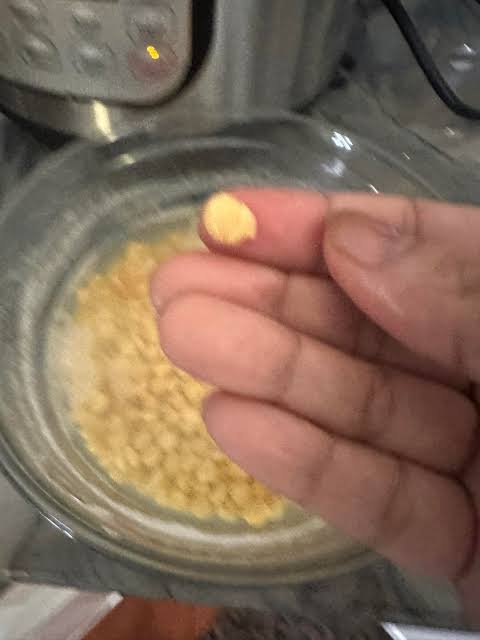
1. Why Does Dal Remain Hard After Pressure Cooking?
Dal becomes soft when its grains absorb enough water and heat breaks down their structure during cooking.
A pressure cooker speeds up this process by cooking food at temperatures above the normal boiling point of water. However, pressure cooking doesn’t guarantee soft dal every time.
The result depends on several factors:
- Type of dal: Masoor and yellow moong generally soften faster than chana dal.
- Age of the pulses: Older dal can take longer to absorb water and become tender.
- Water quantity: Insufficient liquid can leave dal unevenly cooked.
- Soaking: Larger and tougher pulses benefit from soaking before cooking.
- Cooking duration: Different dals require different pressure-cooking times.
- Water quality: Hard water can slow the softening process.
- Other ingredients: Tomatoes, tamarind and lemon juice may delay softening when added early.
For example, yellow moong dal may become creamy after only a short cooking period, while chana dal can remain firm even after several whistles.
Quick kitchen tip: If dal is still hard, first check whether it has enough water and whether the grains have received sufficient cooking time. These are usually the easiest problems to correct.
2. Seven Common Reasons Dal Does Not Soften
Let’s look at the most common dal cooking mistakes and how to correct them.
Reason 1: The Dal Hasn’t Cooked Long Enough
One of the simplest explanations for dal not soft after pressure cooking is insufficient cooking time.
Different pulses have different structures, sizes and cooking requirements.
For instance:
- Yellow moong dal cooks relatively quickly.
- Masoor dal generally softens without much effort.
- Toor or arhar dal usually needs a longer cooking period.
- Chana dal requires more time because of its firmer structure.
- Whole urad takes considerably longer than split urad.
Even two batches of the same variety can behave differently depending on their age.
How to fix it: Add a little hot water if needed, close the cooker, and cook for another one or two whistles. Allow the pressure to release naturally, then check the texture.
Repeat cautiously if the dal is still undercooked.
Reason 2: You Added Too Little Water
Dal absorbs water as it cooks. If there’s not enough liquid, the grains may remain hard, stick to the bottom, or cook unevenly.
A useful starting point for everyday split dal is:
1 cup dry dal + approximately 2½–3 cups water
This produces a moderately thick consistency, although the amount varies according to the dal variety and desired dish.
For thinner preparations such as everyday dal-chawal, you may prefer more water.
For thicker dishes such as chana dal or dal fry, you may need less.
How to fix it: Add enough hot water to restore a loose consistency before pressure cooking again.
Never continue cooking a nearly dry mixture under pressure. Follow your pressure cooker’s minimum-liquid instructions.
Reason 3: You’re Cooking Old Dal
Have you ever noticed that dal from a newly purchased packet cooks beautifully, while dal sitting in a kitchen container for months takes much longer?
Older pulses can develop a condition commonly called hard-to-cook, in which they become increasingly resistant to softening.
Heat, humidity, storage duration and storage conditions can all influence cooking quality.
This is particularly relevant in Indian kitchens where large quantities of dal are sometimes purchased for monthly grocery shopping.
How to fix it:
- Check whether the dal was stored for a long time.
- Soak the next batch before cooking.
- Use sufficient water and allow additional cooking time.
- If repeated cooking still doesn’t soften the grains, replace the stock.
Avoid wasting cooking gas indefinitely on dal that refuses to soften.
Reason 4: You Skipped Soaking When It Was Helpful
Not every variety of dal needs soaking.
Split yellow moong and red masoor can usually be cooked without it. However, soaking helps firmer pulses absorb water before cooking.
This is especially useful for chana dal, whole moong and whole urad.
Soaking can also make cooking more consistent and reduce the time needed on the stove.
How to fix it: For your next batch, soak toor dal for around 20–30 minutes or chana dal for approximately 1–2 hours.
Whole beans and pulses may need several hours or overnight soaking.
In hot weather, refrigerate pulses during extended soaking to reduce the risk of spoilage.
Reason 5: Your Cooking Water Is Too Hard
Water quality is an often-overlooked reason why dal remains hard after cooking.
Hard water contains higher concentrations of minerals such as calcium and magnesium.
These minerals can interfere with the softening of pulses, particularly those with firmer skins and cell structures.
You might notice the problem if you have changed homes, moved to an area with hard borewell water, or started using a different water source.
How to fix it: Try cooking a small batch with suitable drinking water that is less mineral-heavy.
If the dal softens more easily, water hardness may be contributing to the problem.
Reason 6: You Added Tomatoes or Tamarind Too Early
Tomatoes, tamarind, kokum and lemon are wonderful ingredients in Indian cooking.
However, acidic ingredients can slow the softening of pulses when added before they are sufficiently cooked.
This explains why dal sometimes takes longer to soften when simmered from the beginning in a strongly acidic gravy.
How to fix it: Cook the dal until tender before adding substantial quantities of tomato puree, tamarind water or lemon juice.
For dal tadka, you can cook the lentils separately and prepare the tomato-based tempering in another pan.
Once the dal is soft, combine everything and simmer briefly.
Reason 7: Your Pressure Cooker Isn’t Reaching or Maintaining Proper Pressure
Sometimes, the problem isn’t the dal at all.
If your cooker is losing steam through a worn gasket, has a poorly fitted lid, or isn’t maintaining pressure properly, the food may not receive the expected cooking conditions.
A blocked or damaged pressure-control system can also make cooking unsafe.
How to fix it:
- Check the gasket and pressure-control components according to the manufacturer’s instructions.
- Ensure the lid is fitted correctly.
- Follow the recommended heating procedure.
- Replace worn components with compatible parts.
Never open a pressurised cooker or attempt to repair its valve while it is hot. If the cooker appears faulty, stop using it until it has been checked.
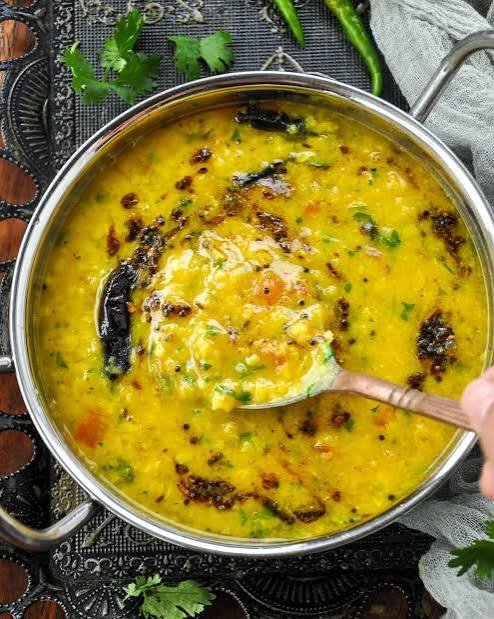
3. How to Fix Undercooked Dal Without Ruining Its Taste
So, you’ve opened the cooker and discovered that your dal is still hard.
Should you throw it away?
Absolutely not—provided it has been handled safely and hasn’t spoiled.
Here’s a simple method to rescue undercooked dal.
Step 1: Check the Dal’s Texture
Take a few grains onto a spoon and allow them to cool.
Press one between your fingers or against the spoon.
If the centre remains firm or chalky, it needs more cooking.
If it mashes easily but the dal looks too thick, you may only need to adjust the consistency.
Step 2: Add Hot Water
If the dal looks dry, add hot water gradually.
For approximately one cup of dry dal originally used, an additional ¼–½ cup of water may be a practical starting point, depending on how much liquid remains.
Stir gently to loosen the mixture.
Step 3: Pressure Cook Again
Close the cooker and cook for another one or two whistles, provided the mixture contains the required minimum amount of liquid.
Allow pressure to release naturally before opening.
If the grains remain firm, repeat the process with small adjustments rather than blindly adding many whistles.
Step 4: Mash Only After the Dal Is Tender
For creamy preparations such as moong dal, masoor dal and everyday arhar dal, use a ladle or whisk to mash the cooked grains.
This helps create a smooth consistency.
However, mashing doesn’t truly cook a hard centre. Make sure the grains are tender first.
Step 5: Adjust the Seasoning
Additional water may dilute the original flavour.
Taste the dal after cooking and adjust salt, turmeric or other seasonings as necessary.
A fresh tadka of jeera, garlic, hing and chilli can restore the aroma.
Important: If the dal has already been sitting at room temperature for several hours, don’t assume pressure cooking again will make it safe. Proper cooling and storage matter too.
4. Dal Cooking and Soaking Guide: Toor, Moong, Masoor, Chana and Urad
Different dals require different amounts of water, soaking and cooking time.
Use the following table as a practical starting guide for common Indian household pressure cookers.
Pressure Cooker Dal Cooking Time Chart
| Dal variety | Suggested soaking | Approximate cooker whistles | Water per cup of dry dal |
|---|---|---|---|
| Toor / Arhar dal | 20–30 minutes | 3–4 | 3 cups |
| Yellow Moong dal | Optional, 15–20 minutes | 1–3 | 2½–3 cups |
| Red Masoor dal | Usually unnecessary | 1–2 | 2½–3 cups |
| Chana dal | 1–2 hours | 4–5 | 3–3½ cups |
| Split Urad dal | 20–30 minutes, optional | 3–4 | 3 cups |
| Whole Moong | 4–6 hours | 3–5 | 3 cups |
| Whole Urad | 6–8 hours or overnight | 6–10 or more | 3–4 cups |
Note: These are approximate starting ranges for a conventional Indian stovetop pressure cooker, not guaranteed results. Cooker size, heat setting, pressure, pulse age, soaking and desired texture all affect cooking. Whistle counts are not standardised cooking times. Follow your cooker’s instructions and check the dal for doneness.
How Long Does Dal Take Without a Pressure Cooker?
No cooker? You can prepare soft, delicious dal in a regular saucepan.
Approximate open-pot cooking times for fresh split pulses are:
- Yellow moong: 15–25 minutes
- Red masoor: 15–25 minutes
- Toor dal: 35–50 minutes
- Chana dal: 40–60 minutes or longer
- Split urad: 25–40 minutes
Bring the dal and water to a boil, reduce the heat, and simmer until tender. Add more hot water if needed.
For families cooking dal almost daily, soaking tougher pulses in advance can help save time and cooking fuel.
5. Does Adding Tomatoes, Salt or Lemon Affect Dal Softening?
Indian kitchens are full of advice about what should and shouldn’t go into a pressure cooker.
Some tips are useful. Others need a little clarification.
Does Salt Make Dal Hard?
A popular belief is that adding salt before pressure cooking prevents dal from becoming soft.
However, salt itself doesn’t generally stop pulses from softening. Research-based cooking guidance indicates that salt may even help dried beans cook more evenly.
So, if your dal remains hard, don’t automatically blame the salt.
Focus on cooking time, water, pulse age and acidity first.
Can Tomatoes Delay Dal Cooking?
Yes, particularly when acidic ingredients are used in substantial quantities before the pulses soften.
Tomatoes can slow the breakdown of certain plant structures, delaying the softening process.
For a reliable method, pressure cook the dal first and add the tomato masala afterwards.
A small amount of tomato in a familiar recipe may still work perfectly well, so there’s no need to change a method that consistently produces tender dal.
Should Lemon Juice Be Added Before or After Cooking?
For everyday dal, lemon juice is usually best added near the end.
This preserves its fresh, tangy taste and avoids unnecessarily exposing uncooked pulses to additional acidity.
The same principle applies to tamarind in many preparations.
Can Baking Soda Soften Hard Dal?
A small amount of baking soda can accelerate softening by making the cooking environment more alkaline.
However, it isn’t usually necessary for fresh dal.
Too much can produce a soapy taste, destroy the intended texture and affect certain nutrients.
For routine cooking, it’s better to correct the water ratio, soaking and cooking time first.
6. How to Identify Old Dal Before Buying
If you’re repeatedly facing the problem of dal not soft after pressure cooking, your grocery stock may need attention.
Although age cannot always be judged by appearance, a few simple checks can help you make better purchasing decisions.
Check the Packaging Date
For packaged dal, look at the packing date, best-before information and storage instructions.
Choose a suitable pack with as much remaining shelf life as practical.
Remember that the packaging date isn’t necessarily the harvest date.
Examine the Grains
Good-quality dal should generally have a reasonably uniform appearance for its variety.
Watch out for:
- Visible insects or webbing
- Unusual clumping or dampness
- Mould growth
- Strange or unpleasant odours
- Damaged or poorly sealed packaging
Minor differences in colour or grain size don’t automatically mean dal is old or unsafe.
Avoid Buying Too Much Dal at Once
Buying groceries in bulk can save money, but only when you use them within a reasonable period.
If your household consumes little chana dal, for example, buying several kilograms simply because it’s discounted may not be worthwhile.
A smaller quantity replenished regularly may offer better cooking quality and less waste.
Store Dal Properly at Home
Once opened, transfer dal into a clean, completely dry, airtight container.
Keep it away from direct sunlight, heat and moisture.
Use older stock first and label containers with the purchase date.
In humid or monsoon conditions, pay particular attention to moisture, insects and packaging integrity.
Smart grocery tip: If you purchase dal from a local kirana shop, ask about stock turnover rather than assuming loose or packaged dal is automatically fresher.
7. Common Dal Cooking Questions (FAQs)
1. Why is my dal not soft after 5 whistles?
Five whistles may not be enough if you’re cooking chana dal, whole urad, old pulses or a large batch. Also check whether the cooker reached proper pressure and had sufficient water.
2. How do I soften hard dal after cooking?
Add hot water if required and continue cooking under pressure for a short additional period. Allow natural pressure release, then check whether the grains mash easily.
3. Why is my toor dal still hard after pressure cooking?
Toor dal may remain hard because it’s old, insufficiently soaked, cooked with too little water or exposed to insufficient pressure-cooking time. Hard water can also contribute.
4. Can I cook dal again after it cools?
Yes, if it was cooled and stored safely. Refrigerate cooked dal promptly rather than leaving it at room temperature for extended periods, and reheat thoroughly.
5. Is soaking dal overnight necessary?
Not for most split dals. Yellow moong and red masoor cook well without soaking. Whole urad, whole moong and other tougher pulses benefit more from extended soaking.
6. Why does my dal look cooked outside but remain hard inside?
The outer layer may have hydrated before the centre became fully tender. This is common with larger grains, older pulses or insufficient cooking time.
7. Can I use a mixer to soften undercooked dal?
Blending changes the texture but doesn’t properly cook hard grains. Cook the dal until tender before blending or mashing it.
8. How can I tell when dal is perfectly cooked?
For everyday creamy dal, the grains should mash easily without a chalky centre. For dishes such as chana dal, the grains may retain their shape while still being tender when bitten.
Final Thoughts: Perfect Dal Is About More Than Counting Whistles
If your dal is not soft after pressure cooking, there’s usually no need to panic or start from scratch.
In most cases, a little more water, additional cooking time or a change in technique can solve the problem.
The secret is understanding what your particular dal needs.
Masoor and yellow moong cook quickly. Toor needs more time. Chana dal and whole pulses benefit from soaking. Old stock and hard water may require adjustments, while acidic ingredients are often better added after the grains become tender.
Next time you’re preparing dal-chawal, sambar, khichdi or a comforting bowl of dal tadka, use these simple checks to get the texture just right.
After all, good home cooking isn’t about complicated tricks. It’s about knowing your ingredients, avoiding unnecessary waste and making everyday meals with confidence.
Explore more practical Indian grocery and kitchen guides on Grocery-Bazaar.com—and make every cup of dal count!
See Also
- Tips for Cooking with Dry Beans and Other Pulses
- Why Your Pressure Cooker Ruins Your Dal
- How To Make Dal In The Instant Pot | Easy Vegan Moong Dal Recipe
- Toor Dal vs Arhar Dal vs Pigeon Peas: Same Dal or Different ?
- Chana Dal vs Split Chickpeas: Are They the Same Grocery Item?
- How to Make Atta Dough Soft for Rotis the Next Day: Fridge Storage Guide
- Sooji vs Rava vs Semolina: What Should You Buy for Upma, Halwa and Idli?
- Can You Use Kasuri Methi Instead of Fresh Methi? The Swap Guide