
Are you looking to set up an authentic Bengali kitchen from scratch, but feeling a bit overwhelmed by unique spice blends, distinct rice varieties, and pungent oils? You are not alone! Bengali cuisine, known for its intricate balance of sweet, spicy, bitter, and savory flavors, relies heavily on a specialized set of pantry items.
Whether you are moving into a new home, exploring regional Indian cooking, or trying to replicate your grandmother’s classic Maacher Jhol (fish curry) or Shukto (vegetable stew), having the right Bengali pantry staples makes all the difference.
In this ultimate Bengali grocery list guide, we break down the 25 essential ingredients every beginner needs, along with cooking purpose tables, Bengali-to-English terminology, and practical storage hacks for tropical climates.
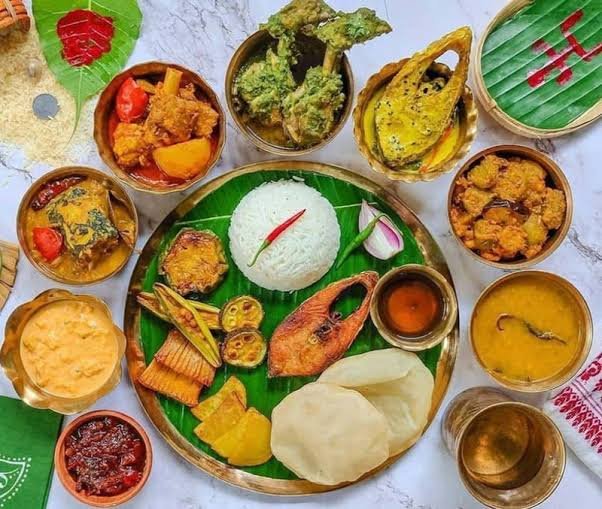
Quick List: 25 Essential Bengali Groceries for Beginners
To help you win a Google featured snippet or quickly stock your shopping cart, here is the quick-reference numbered list of the top 25 Bengali pantry staples every household should keep on hand:
- Gobindobhog Rice (Aromatic short-grain rice for Khichuri and desserts)
- Sona Masoori / Minikit Rice (Everyday parboiled or white rice)
- Shorsher Tel (Pure pungent mustard oil)
- Panch Phoron (Traditional Bengali five-spice mix)
- Posto (Poppy seeds)
- Shorshe (Yellow and black mustard seeds)
- Biulir Dal (Urad dal / Black gram lentils)
- Mug Dal (Yellow split moong dal)
- Masoor Dal (Red lentils)
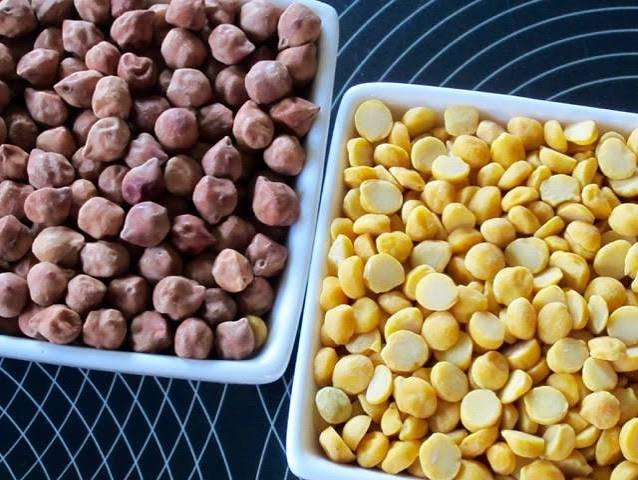
- Chana Dal (Bengal gram)
- Radhuni (Wild celery seeds / Caraway alternative)
- Kalo Jeere (Nigella seeds / Black cumin)
- Tejpata (Indian bay leaves)
- Dry Red Chillies (Whole dried red peppers for tempering)
- Kacha Lanka (Fresh green chillies)
- Ada (Fresh ginger root)
- Turmeric Powder (Holud)
- Cumin Powder (Jeere Gundo)
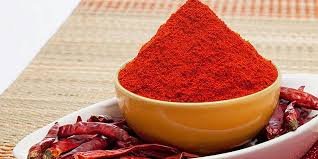
- Kashmiri Red Chilli Powder (For rich color without excessive heat)
- Ghee (Clarified butter)
- Narkel (Grated coconut or coconut oil)
- Jhola Gur / Nolen Gur (Date palm jaggery or cane jaggery)
- Kasundi (Fermented Bengali mustard sauce)
- Besan / Sattu (Gram flour or roasted Bengal gram flour)
- Bori (Sun-dried lentil dumplings)
1. Everyday Rice Varieties (Bhat)
In any traditional home, rice is not just an ingredient; it is the heart of the meal. Your Bengali pantry staples collection must start with the right varieties of rice to pair with specific curries and gravies.
Sona Masoori, Minikit, or Atap Rice
For daily lunches, Bengalis prefer medium-to-long grain white or parboiled (Siddha) rice. Parboiled rice holds its structure well when served with steaming hot lentil soups (dal) or light fish curries.
Gobindobhog Rice
This short-grain, highly aromatic white rice is non-negotiable for special occasions. It carries a natural sweet aroma similar to jasmine or basmati but with a sticky, velvety texture. It is essential for making Bengali-style Khichuri, Payesh (rice pudding), and Mishti Pulao.
2. Essential Dals (Dahl)
Lentils are consumed daily in Bengal, serving as the primary protein source alongside fish and meat. A well-stocked Bengali cooking ingredients list features four main types of lentils.
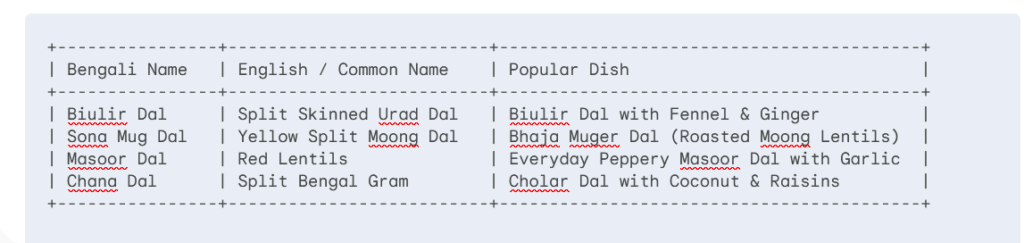
- Bhaja Mug Dal: Bengalis often dry-roast yellow moong dal before boiling it. This infuses a deep, nutty aroma into the soup.
- Biulir Dal: Paired traditionally with fried potatoes (Aloo Bhaja), this urad dal variation is tempered with ginger paste and fennel seed paste (Mouri).
3. Mustard Oil and Other Cooking Fats
If there is one ingredient that defines the distinct fragrance of a Bengali kitchen, it is Shorsher Tel (mustard oil).
Mustard Oil (Shorsher Tel)
Pure, cold-pressed mustard oil is the ultimate king of Bengali pantry staples. Its pungent aroma and subtle sharp kick are irreplaceable. It is used for raw dressings (like mashed potatoes or Aloo Bhate), deep frying fish, and simmering rich gravy dishes. Look for “kachi ghani” cold-pressed mustard oil for authentic results.
Clarified Butter (Ghee)
Desi Ghee is drizzled over hot rice at the beginning of a meal or added at the very end of rich meat gravies and vegetable side dishes (Ghonto) along with Bengali Garam Masala.
4. Panch Phoron and Whole Tempering Spices
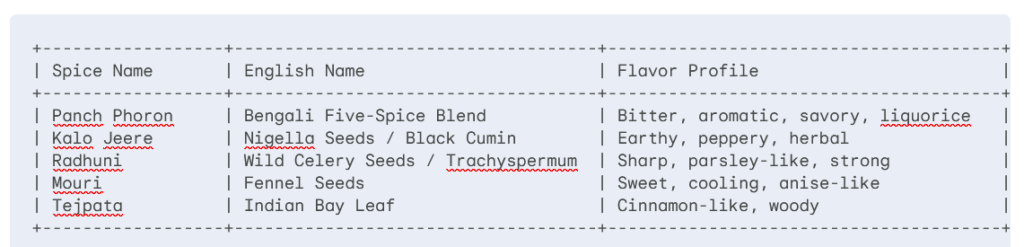
Bengali cuisine excels in tempering oil with whole spices—a technique known as Phoron.
What is Panch Phoron?
Panch Phoron is an iconic, equal-ratio mix of five whole seeds:
- Cumin seeds (Jeere)
- Nigella seeds (Kalo Jeere)
- Fennel seeds (Mouri)
- Fenugreek seeds (Methi)
- Black mustard seeds (Shorshe) or Radhuni
Unlike other Indian spice blends, Panch Phoron is never ground into a powder; it is bloomed whole in sizzling hot oil or ghee to release its essential aromatic oils.
5. Poppy Seeds, Mustard Seeds, and Posto Ingredients
Rich, thick gravies in Bengali cooking often rely on seeds ground into smooth pastes rather than cream or heavy tomatoes.
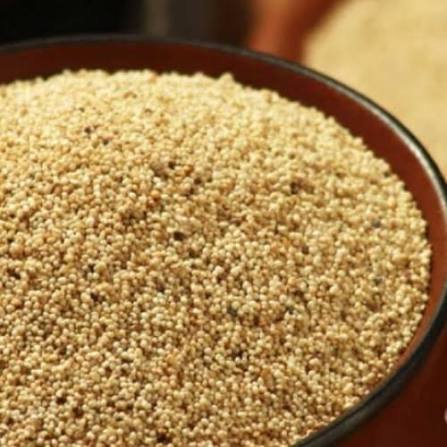
Poppy Seeds (Posto)
Posto (white poppy seed paste) is a prized staple in any Bengali grocery list. It creates a creamy, nutty, soothing gravy base that cools the digestive system. Iconic dishes include Aloo Posto (potatoes cooked in poppy seed paste) and Postor Bora (poppy seed fritters).
Mustard Seeds (Shorshe)
Both yellow and black mustard seeds are crushed with green chillies and salt to create a pungent paste used for fish dishes like Shorshe Ilish (Hilsa fish in mustard sauce) or vegetable Jhal.
6. Fresh Essentials: Green Chillies, Ginger, and Coriander
While these are fresh items rather than dry dry-pantry goods, no Bengali pantry staples guide is complete without mentioning them because they are bought in every single grocery run.
- Kacha Lanka (Green Chillies): Bengalis love fresh green chillies not just for heat, but for their fruity aroma. They are often slit whole and added at the end of cooking or eaten raw on the side with hot rice.
- Ada (Ginger): Ginger paste forms the base of most light, comforting stews (Jhol). Interestingly, traditional home-style fish cooking uses far more ginger than garlic.
- Dhanepata (Coriander Leaves): Fresh cilantro is sprinkled generously over winter fish curries, dals, and snacks.
7. Fish-Cooking Pantry Staples
Cooking fresh river fish—such as Rui (Rohu), Katla, or Ilish (Hilsa)—requires specific supporting items in your Bengali cooking ingredients list.
- Turmeric Powder (Holud): Used generously to marinate raw fish before pan-frying, neutralizing gamey odors and enhancing golden color.
- Kashmiri Red Chilli Powder: Adds a bright red color to gravy without overwhelming the sweet natural flavor of freshwater fish.
- Bori (Sun-Dried Lentil Dumplings): These small, crunchy, cone-shaped dumplings made from urad dal are fried in mustard oil and dropped into fish gravies to absorb sauce and add textural crunch.
- Kasundi: A mustard sauce made with mustard seeds, raw mango, and spices. It serves as an acidic condiment for fried fish or fritters.
8. Sweet-Making Essentials (Mishti)
Bengal is world-famous for its sweets like Rasgulla, Sandesh, and Mishti Doi. To recreate dessert magic at home, include these sweet-making items among your Bengali pantry staples:
- Date Palm Jaggery (Nolen Gur / Jhola Gur): Available primarily in winter, this aromatic jaggery delivers a caramel-maple flavor to sweets and Payesh.
- Green Cardamom (Elaichi): Crushed into dessert syrups and puddings.
- Chhena (Fresh Cottage Cheese / Paneer): Made by curdling milk with lemon juice or whey, forming the base for homemade Bengali sweets.
- Semolina (Suji) & All-Purpose Flour (Maida): Essential for making Patishta, Malpua, and deep-fried Luchi.
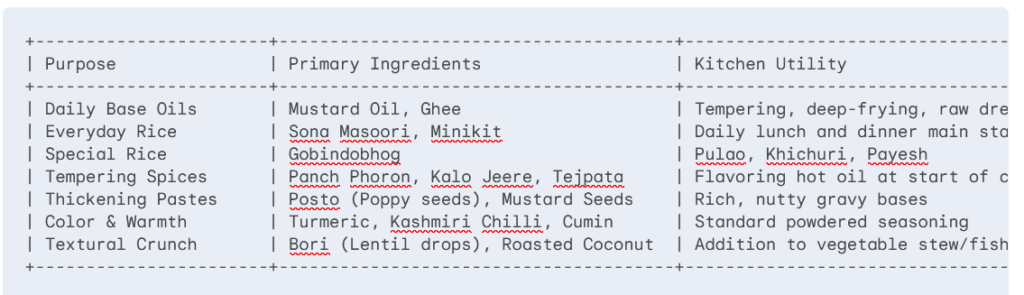
9. Comprehensive Bengali Pantry Setup Guide by Purpose
To make organizing your modern modern kitchen easy, here is a functional summary table categorized by usage:
10. Ingredients Beginners Can Buy Later
When setting up your starter Bengali pantry staples, you do not need to buy every niche ingredient on day one. Here are items you can safely skip initially and acquire as your cooking skills progress:
- Radhuni Seeds: Hard to source outside Bengal; you can substitute with a mix of mustard and celery seeds initially.
- Nolen Gur (Date Palm Jaggery): Seasonal; regular cane jaggery or dark brown sugar works as a basic placeholder.
- Gondhoraj Lebu: A unique fragrant lime endemic to Bengal; regular limes or lemons will suffice for everyday cooking.
- Kewra Water or Rose Water: Used mostly in special Mughlai-style Bengali Biryanis or festive desserts.
11. The Minimalist 12-Item Bengali Pantry
If you are a beginner on a tight budget or living in a small apartment, here is the ultra-compact, minimalist 12-item starter kit. With just these 12 Bengali pantry staples, you can comfortably cook over 50 authentic dishes!
- Sona Masoori or Parboiled Rice
- Cold-Pressed Mustard Oil
- Turmeric Powder
- Cumin Seeds / Cumin Powder
- Panch Phoron
- Yellow Moong Dal
- Masoor Dal
- Potatoes (Aloo)
- Fresh Green Chillies
- Fresh Ginger
- Whole Dry Red Chillies
- Mustard Seeds or Posto (Poppy seeds)
12. Bengali-to-English Grocery Names Glossary
Bookmark this handy reference table before your next visit to the local Indian grocery store or online supermarket:
+---------------------+--------------------------------------------------+
| Bengali Name        | English Name                  | Hindi Name              |
+---------------------+--------------------------------------------------+
| Shorsher Tel        | Mustard Oil                   | Sarson ka Tel           |
| Posto               | White Poppy Seeds             | Khas Khas               |
| Kalo Jeere          | Nigella Seeds / Black Cumin   | Kalonji                 |
| Mouri               | Fennel Seeds                  | Saunf                   |
| Biulir Dal          | Skinned Black Gram            | Urad Dal                |
| Cholar Dal          | Split Bengal Gram             | Chana Dal               |
| Mug Dal             | Yellow Split Moong            | Moong Dal               |
| Holud               | Turmeric                      | Haldi                   |
| Ada                 | Ginger                        | Adrak                   |
| Dhania / Dhane      | Coriander                     | Dhaniya                 |
| Tejpata             | Indian Bay Leaf               | Tejpatta                |
| Radhuni             | Wild Celery / Caraway Seeds   | Ajmod                   |
+---------------------+-----------------------------------------------+
13. Smart Storage Tips for Humid Climates
Bengal and eastern coastal regions are known for high humidity, which can degrade spices and attract pantry pests. Follow these practical storage hacks to keep your Bengali pantry staples fresh for longer:
- Refrigerate Poppy Seeds (Posto): High oil content makes poppy seeds go rancid quickly at room temperature. Store your posto in an airtight glass container inside the refrigerator or freezer to keep it fresh for over a year.
- Dry-Roast Moong Dal: Dry roast your raw moong dal in a hot pan for 2-3 minutes before storing it in a jar. This prevents moisture buildup and pest infestation while enhancing its aroma.
- Keep Mustard Oil in Dark Glass Bottles: Exposure to direct sunlight oxidizes mustard oil and weakens its signature pungent bite.
- Airtight Glass for Spices: Avoid storing delicate seed spices like Panch Phoron, Kalo Jeere, and Radhuni in plastic containers. Use tight silicone-sealed glass jars to retain their aromatic essential oils.
14. Frequently Asked Questions (FAQs)
Q1: What makes Bengali cooking different from North Indian cooking?
A: While North Indian cooking heavily utilizes onion, garlic, tomatoes, and heavy cream ground with Garam Masala, Bengali cooking relies on whole spice tempering (Panch Phoron), mustard oil, ginger, mustard seeds, and poppy seed pastes (Posto), resulting in subtle yet fragrant flavor profiles.
Q2: Can I substitute vegetable oil for mustard oil in Bengali recipes?
A: While you can use mustard oil substitutes like mustard-infused oil or rice bran oil for basic stir-fries, authentic dishes like Aloo Posto, Shorshe Ilish, and raw mustard mashes (Bhate) rely entirely on the sharp bite of raw mustard oil.
Q3: Where can I buy whole Posto (poppy seeds) legally?
A: White poppy seeds are widely available in most Indian grocery stores, Asian supermarkets, and online spice retailers across India and globally.
Q4: Is Panch Phoron spicy?
A: No, Panch Phoron is an aromatic whole seed mix, not a hot blend. It adds herbal, nutty, and slightly sweet-bitter undertones to vegetable dishes and lentils without adding direct heat.
Final Thoughts: Building Your Regional Indian Kitchen
Setting up your kitchen with these essential Bengali pantry staples opens the doorway to centuries of rich, comforting culinary heritage. Start with the minimalist 12-item shopping list, master simple recipes like Aloo Posto or Bhaja Muger Dal, and gradually introduce specialty ingredients as you gain confidence!
See Also
- Bengali Kitchen Setup—Part 1: Pantry Essentials
- 14 Things to Get From the Bazar Every Week | Bengali Kitchen Setup—Part 2
- Thou shalt thrive from scarcity – 10 commandments of Bengali Food
- Kashmiri Chili Powder vs. Regular Red Chili Powder: The Ultimate Kitchen Swap Guide
- Monthly Grocery List for One Person in India: 30-Day Quantity Guide
- How Long Does Cooked Dal Last in the Fridge? Storage and Reheating Guide