
It is a beautiful monsoon morning. The rain is pattering gently against your window, and you decide it is the perfect day to cook a comforting batch of Khichdi or a classic South Indian lemon rice. You walk into your pantry, pull down your large container of raw premium basmati or sona masoori, and open the lid.
Suddenly, your heart sinks.
Moving just beneath the surface of your expensive grains is a tiny, crawling army of black, creepy-crawly insects. You look closer, and you notice fine, cobweb-like structures clinging to the corners of the container. Your freshly bought lentils aren’t spared either—there are mysterious holes drilled straight through your chana dal and toor dal. You are wondering How to Keep Bugs Out of Rice Naturally
If you have ever had to dump a brand-new 5 kg bag of groceries straight into the trash because it was completely overridden with pests, you know exactly how frustrating, gross, and expensive this problem can be.
Finding insects in your food staples is an absolute nightmare, especially during the sticky, humid monsoon months in India. But before you rush out to buy harsh, chemical-laden pest control sprays or commercial pesticide tablets that leave toxic residues on your food, breathe easy. Your neighborhood kirana uncle and your grandmother have a set of brilliant, chemical-free tricks up their sleeves.
Today, we are diving deep into the science of pantry pests and sharing old-school secrets on how to keep bugs out of rice naturally so you can protect your monthly kitchen budget and keep your family’s food completely safe and pest-free.
Why Pantry Bugs Love Indian Groceries: The Monsoon Equation Or How to Keep Bugs Out of Rice Naturally
To defeat your enemy, you must first understand them. The most common villains invading your kitchen are Rice Weevils (Sitophilus oryzae), flour beetles, and Indian meal moths. Rice weevils are tiny, dark-brown snout beetles, and they have a very specific, fascinating, and slightly horrifying biological trick.
[ Field/Mill Stage ] ──> Female weevil drills microscopic hole in grain ──> Lays invisible egg ──> Seals with gel
                                                                                                      │
                                                                                                      ▼
[ Your Humid Pantry ] ──> Monsoon Humidity (>70%) + Warmth ──> Egg hatches ──> Larva eats grain from inside out!
A female weevil uses her sharp snout to drill a microscopic hole straight into a kernel of raw rice or wheat. She deposits a single, completely invisible egg inside, and then seals the hole with a gelatinous secretion. This means when you buy a premium, sealed bag of rice from the supermarket, the invisible eggs are often already inside the grain, having traveled all the way from the agricultural fields or milling warehouses.
Under normal, dry circumstances, these eggs can lie dormant for months. But the moment the Indian monsoon arrives, bringing ambient temperatures between 25°C to 35°C and relative humidity levels climbing past 70%, it creates the absolute perfect biological incubator. The eggs hatch into larvae, which proceed to eat the grain from the inside out, finally emerging as the visible crawling adults that ruin your morning.
Because our staple Indian diet revolves around dense, carbohydrate-rich grains like flours, pulses, and lentils, our hot and humid pantries are essentially a five-star luxury resort for these pests.
4 Time-Tested Natural Remedies to Protect Your Staples
You do not need to introduce dangerous chemicals into containers where you store things you eat. These four natural grain preservation methods rely on aromatic disruption and environmental factors to make your storage containers completely unlivable for pests.
1. Dried Neem Leaves (The Traditional Golden Standard)
Long before modern chemical fumigation existed, ancient Indian households protected massive grain granaries using the power of the humble Neem tree (Azadirachta indica). Neem contains a natural, highly potent organic compound called azadirachtin, which behaves as a powerful anti-feedant and growth disruptor for insects.
- How it works: The bitter volatile oils emitted by dry neem leaves completely confuse the sensory systems of weevils. It stops adult insects from laying eggs and prevents existing larvae from feeding on your starches.
- The Kirana Protocol:
- Pluck a few fresh branches of green neem leaves and wash them thoroughly to remove dirt.
- Crucial Step: Dry them completely in the shade or under a fan until they are brittle and crinkly like paper. If you put even slightly damp leaves into your rice, you will introduce moisture and cause mold!
- Mix a handful of these dry crinkly leaves directly through your rice and dal containers from the bottom to the top layer.
2. Cloves & Matchboxes (The Sulfur Deterrent)
This is an incredibly clever, old-school shopkeeper trick that uses an everyday household utility item to create a localized protective barrier.
- How it works: Look closely at the striking strip on the side of a standard household matchbox or the tips of the matchsticks themselves. They are coated with a compound containing sulfur. Most crawling pantry pests and beetles possess highly sensitive chemical receptors that find the scent of sulfur absolutely repellant.
- The Kirana Protocol:
- Take 2 to 3 unopened, brand-new small matchboxes.
- Bury them directly into the center of your large 5 kg or 10 kg rice containers.
- The sulfur scent slowly diffuses through the container, creating an invisible shield that keeps bugs from congregating. Don’t worry—it doesn’t alter the taste or safety of your cooked rice at all!
3. Whole Cloves and Bay Leaves (Aromatic Disruption)
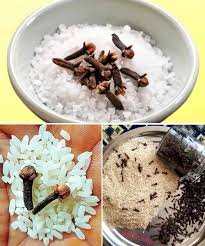
If you don’t have access to fresh neem leaves, you can raid your own spice box (masala dabba) to find two incredibly powerful chemical repellents: Whole Cloves (Laung) and Indian Bay Leaves (Tej Patta).
- How it works: Cloves are packed with an aromatic essential oil called eugenol, while bay leaves contain cineole. To human noses, these spices smell wonderfully sweet and comforting. But to a tiny rice weevil, these intense, concentrated essential oil fumes act like a harsh sensory irritant.
- The Kirana Protocol:
- Drop 10 to 15 whole cloves and 5 to 6 dry bay leaves directly into your flour, dal, or rice jars.
- Because these oils evaporate slowly over time, make sure to replace these spices once every 3 to 4 months to maintain a high level of natural grain preservation methods efficiency.
💡 Quick Tip: While cloves are excellent for rice and whole dals, avoid dropping loose cloves into fine flours like Besan or Maida, as they can be incredibly tedious to sift out later! Use bay leaves for fine flours instead.
4. The Sun-Drying Protocol (The Ultimate Eco-Friendly Reset)
If you open a container and find that a mild infestation has already started, do not panic and do not throw the grain away. You can deploy the absolute ultimate environmental weapon provided entirely for free by nature: Solar heat and ultraviolet radiation.
- How it works: Pantry pests are intensely photophobic—meaning they absolutely loathe direct, bright light—and their bodies are highly susceptible to dehydration under intense heat.
- The Kirana Protocol:
- Take a large, clean cotton bedsheet or a clean plastic mat and spread it out under direct, harsh midday sunlight on your balcony or terrace.
- Pour your infested rice or dal over the sheet, spreading it out into a very thin, single layer.
- Leave it undisturbed for 4 to 6 hours.
- As the sun heats the grains, the adult weevils will become highly uncomfortable and literally march out of the rice, crawling away from the sheet to find shade. The intense UV rays will also effectively dehydrate and destroy any invisible eggs or larvae stuck to the outside of the kernels.
- Before bringing the rice back inside, sift it through a fine mesh colander to filter out any dead debris.
The Pro Freezing Trick: Defeat Weevils Before They Hatch
What if you want to be completely proactive? What if you want to ensure that your groceries are 100% safe from the very first day you bring them home from the local market? This is where a modern preservation hack comes into play, manipulating temperature thresholds to kill insect eggs in grains.
Most insects can survive a fair amount of warmth, but their cellular structures cannot survive extreme, sub-zero freezing.
[ Fresh Grocery Trip ] ──> Seal grain in airtight Ziploc bag ──> Place in Deep Freezer (-18°C) for 48 Hours
                                                                                   │
                                                                                   ▼
   [ Complete Protection ] <── Transfer to clean pantry jar <── Eggs crystallized & destroyed!
The Step-by-Step Freezing Workflow:
- The Sealed Bag: The absolute moment you return from your monthly grocery run with a fresh bag of high-risk items (like raw rice, whole wheat atta, suji, or premium dals), do not open the package. If the original bag is flimsy, transfer the contents into a heavy-duty, airtight Ziploc freezer bag.
- The Cold Chamber: Clear out a shelf in your refrigerator’s deep freezer and drop the bag inside. Leave it completely undisturbed at sub-zero temperatures (ideally around -18°C) for 48 to 72 hours.
- The Result: This intense, deep-freeze cycle causes the water molecules inside any hidden, microscopic weevil eggs to expand and crystallize, effectively destroying them before they ever get a chance to hatch.
- The Transfer: After 3 days, pull the bag out, let it acclimate back to room temperature on your counter (keep the bag sealed so external room humidity doesn’t condense on the cold grains), and then pour the contents into your standard clean, airtight pantry jars. You have now completely reset the clock on pest infestations!
Comprehensive Master Blueprint for Modern Kitchens
To make sure your pantry remains a complete fortress against pantry pests in dals and flours all year round, implement this structured preventive checklist:
| Grain Variety | Primary Bug Risk | Best Natural Defense Combo | Special Handling Tip |
| White Rice (Basmati/Sona Masoori) | Rice Weevils (Black snout beetles) | Dried Neem Leaves + Matchboxes | Perform the 3-day freezing trick immediately upon purchasing. |
| Lentils & Pulses (Toor, Chana, Urad) | Pulse Beetles (Drill round holes) | Whole Cloves + Dry Bay Leaves | Store in heavy, thick glass jars; avoid flimsy thin plastic bags. |
| Fine Flours (Atta, Maida, Besan) | Flour Beetles & Meal Moths (Clumps) | Whole Bay Leaves (Avoid loose cloves) | Buy smaller 5 kg quantities during the peak monsoon months. |
| Semolina (Suji / Rava) | Meal Moths & Tiny White Worms | Dry Roasting before storage | Dry roast your raw suji in a pan on low heat for 5 minutes before storing; this destroys all insect activity completely! |
Pro-Tips for Organizing a Pest-Proof Pantry
- Ditch the Plastic Bags: Never leave your groceries sitting in the flimsy, thin plastic bags they arrived in from the local market. Weevils and beetles can easily chew right through thin plastic and paper packaging to hop from one bag to another. Upgrade to heavy, thick, food-grade airtight glass or PET containers with secure silicone seals.
- The Clean-Up Protocol: Every three months, completely empty your food cabinets. Wipe down the shelves using a simple, natural solution of white vinegar mixed with water and a few drops of dishwashing liquid. Vinegar sanitizes the surface, dissolves grease, and leaves behind a clean scent that insects absolutely hate.
- First In, First Out (FIFO): Never dump fresh, newly purchased rice directly on top of an older, half-empty container. This practice continuously traps older grains at the very bottom of your jar, creating a permanent, undisturbed breeding ground for pests. Always finish your old batch completely, wash and dry the jar thoroughly, and then pour in the fresh stock.
Conclusion: Keep It Fresh, Keep It Clean
Dealing with bugs in your kitchen can feel incredibly frustrating and a bit embarrassing, but it is an entirely natural side effect of handling wholesome, un-fumigated agricultural crops. You do not need to look toward aggressive chemical solutions to keep your kitchen running perfectly.
By understanding how moisture and humidity accelerate pest life cycles, deploying aromatic deterrents like neem leaves and cloves, and utilizing your freezer to stop infestations before they even begin, you can easily keep your kitchen completely spotless, saving money and preserving your favorite family recipes all year round. Happy cooking, and keep those pantries locked down!
See Also
How to Get Rid of Rice Weevils (4 Easy Steps)
6 ways you can get rid of nasty weevils or grain beetles from your spices and grains
The Ultimate Indian Monthly Grocery List for a Family of 2