
Have you ever wondered – Does garam masala expire ? Picture this: It is a rainy Tuesday evening, and you are in the middle of cooking a rich, comforting batch of egg curry or paneer butter masala. The onions are beautifully browned, the tomatoes have softened into a luscious paste, and your kitchen smells fantastic.
You reach deep into the dark corners of your pantry to find that ultimate, finishing touch—the crown jewel of the Indian spice box: Garam Masala.
You pull out a little glass jar that has been sitting untouched at the back of the shelf. You look closely at the faded label and notice a printed date that passed quite a while ago.
You freeze with the spoon in your hand. A series of urgent questions flashes through your mind: “Does garam masala expire? Will using this old powder give my family food poisoning? Or will it just make my curry taste completely flat and boring?”
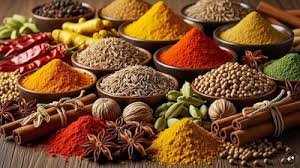
If you have ever found an ancient, dusty jar of spice powder in your kitchen cupboard and debated whether to throw it out or dump it into your dinner, you are definitely not alone. Garam masala—a complex blend of warming whole spices like cinnamon, cardamom, cloves, cumin, and black pepper—is an absolute staple in Indian households. However, because it is used in small pinch-sized quantities, a single store-bought packet can easily hang around your kitchen for far longer than intended.
Today, we are going to debunk the myths surrounding spice expiration dates, learn how to separate safe seasonings from useless brown dust, and share a clever trick to breathe new life into a stale blend.

The Expiration Myth: Spices Don’t Rot, They Fade
Let’s address the burning question that brought you here with a direct, comforting truth:
The Short Answer: No, garam masala does not expire in a way that will make you sick. Barring a few exceptions, dry ground spices do not rot, grow mold, or cultivate dangerous bacteria. However, they absolutely do “die” from an aromatic standpoint.
When a manufacturer prints a “Best Before” or “Expiration” date on a packet of spice blend, they aren’t warning you that the powder will turn toxic on that exact calendar day. Instead, they are stating a quality guarantee. They are telling you that after this specific date, the chemical compounds responsible for giving that blend its signature punch will begin to degrade.
[ Fresh Ground Masala ] ──> Volatile Oils at 100% ──> Intensely Aromatic & Pungent
                                       │
                                       ▼ (Exposure to Air, Light, & Heat)
[ Stale/Aged Masala ]   ──> Oils Evaporate Completely ──> Lifeless, Chalky Brown Dust
The unique magic of Indian spices comes from volatile organic oils stored deep within the cell walls of seeds, barks, and pods. For example, the warm punch of cloves comes from eugenol, the sweet comfort of cinnamon comes from cinnamaldehyde, and the sharp bite of black pepper comes from piperine.
The absolute moment whole spices are crushed and milled into a fine powder, these protective cellular structures break open, exposing the delicate volatile oils directly to oxygen, light, heat, and ambient humidity. Over time, these oils slowly evaporate into thin air.
So, while that two-year-old jar of spice won’t upset your stomach, using it is practically equivalent to tossing flavorless, chalky brown sawdust into your expensive, hard-earned curry.
The “Sniff Test”: How to Evaluate Faded Masala Powder Potency
Because calendar dates on packaging can be highly arbitrary, your own senses are the absolute best diagnostic tools in your kitchen. Before you ruin a premium dish by seasoning it with dead spices, run your mystery jar through this simple, three-step Sniff and Taste Protocol:
Step 1: The Visual Inspection
Pour a half-teaspoon of the powder onto a plain white plate under clear, bright light. Freshly ground garam masala boasts a warm, deep, multi-tonal reddish-brown or dark golden hue. If your spice powder looks completely dull, faded, or resembles a pale, ash-gray dirt, the natural pigments have oxidized—a clear sign that the volatile oils have left the building.
Step 2: The Friction Rub
Do not just sniff the open jar; sitting air inside a sealed container can often trap a false sense of aroma. Instead, scoop a small pinch of the powder directly onto the palm of your hand. Take your thumb and rub the spice firmly against your palm in a circular motion for five seconds. The friction and natural warmth of your skin will heat up any microscopic traces of remaining oils.
Step 3: The Sniff and Taste
Bring your palm up to your nose and take a deep breath.
- The Verdict: If you are hit with a sudden, warm wave of sharp cloves, sweet cardamom, and spicy cinnamon, your masala is perfectly alive and ready for action.
- The Warning Sign: If you have to strain to smell anything at all, or if it just smells faintly of stale cardboard, it has lost its potency. If you take a tiny taste of the powder on your tongue and it feels completely chalky without sending a warming sensation across your palate, it is time to replace it.
The 6-Month Rule: Why Pre-Ground Blends Lose Their Punch
If you buy a premium, pre-packaged spice mix from a commercial brand, its shelf-life clock starts ticking aggressively the very second the factory machinery grinds it down. In the world of storing aromatic spice blends, we highly recommend living by The 6-Month Rule.
While whole spices (like whole cinnamon sticks, black peppercorns, or cumin seeds) can easily retain their inner oils for two to three years because their tough outer shells lock the moisture in, pre-ground spice mixtures lose up to 50% of their flavor potency within six months of opening.
Several common kitchen environmental factors can rapidly accelerate this flavor loss:
- The Stove-Side Trap: Keeping your spice rack directly above or next to your hot stove is a recipe for flavor disaster. Every time you cook, ambient heat bakes the jars, forcing the volatile oils to expand and escape much faster.
- The Clear Glass Myth: Displaying your colorful spices in beautiful, clear glass jars directly on your countertop might look highly aesthetic for social media, but direct sunlight rapidly breaks down natural chemical compounds, bleaching the color and dulling the taste.
- The Steaming Spoon Habit: Never hold an open jar of spice directly over a steaming, boiling pot to shake the powder in. The rising steam instantly enters the jar, introducing moisture that causes the fine powder to clump together, rot, and potentially grow dangerous mold.
How to Revive Stale Indian Spices: The Skillet Rescue Trick
If you have run the sniff test and realized your garam masala is definitely fading, but you don’t have time to run to the grocery store or make a fresh batch from scratch, do not despair. You can use a traditional culinary technique to wake up those remaining dormant oils.
[ Faded Powder ] ──> Heat in dry skillet (No oil) ──> Low heat for 30-60 seconds ──> Oils warm up & move to surface!
This recovery process works beautifully because heat reduces the viscosity of the heavy oils trapped deep within the remaining starch fragments, drawing them directly up to the surface of the powder.
The Step-by-Step Revival Protocol:
- The Dry Skillet: Place a clean, completely dry heavy-bottomed pan or tawa over low heat. Do not add any oil, ghee, or butter.
- The Gentle Toast: Dump your measured stale garam masala powder directly into the warm pan.
- The Constant Motion: Using a wooden spatula, keep the powder moving continuously across the pan. Do not walk away! Because ground spices are incredibly fine, they can go from toasted to completely scorched and bitter in less than ten seconds.
- The Aroma Release: Toast the powder gently for 30 to 60 seconds. The very moment you see a tiny whisp of smoke and smell a sudden, sweet re-emergence of cinnamon and cloves, immediately kill the heat and dump the warm spice directly into your simmering curry.
Ultimate Master Blueprint for Spice Longevity
To get the absolute maximum shelf life out of your premium Indian spice box elements, implement this simple storage checklist:
| Spice State | Expected Shelf Life | Ideal Storage Vessel | Optimal Kitchen Placement |
| Whole Spices (Cinnamon, Cloves, Cardamom) | 2 to 3 Years | Airtight glass jars or metal tins | Dark, cool pantry cupboard away from heat sources. |
| Store-Bought Ground Blends (Garam Masala, Kitchen King) | 4 to 6 Months | Opaque containers with tight silicone seals | Inside a closed drawer or dedicated spice cabinet. |
| Homemade Freshly Ground Masala | 2 to 3 Months | Small amber glass vials or dark jars | Filled right to the top to minimize oxygen headspace. |
The Gold Standard: How to Make a Small Batch of Fresh Garam Masala
If you want to completely step away from flat, store-bought powders and experience the incredible aromatic luxury of a true, premium homemade blend, try making this quick, small-quantity batch that will stay fresh and potent for months:
- The Ingredients: Take 2 tablespoons of cumin seeds (jeera), 1 tablespoon of coriander seeds (dhania), 1 tablespoon of whole black peppercorns, 1 teaspoon of cloves (laung), 1 teaspoon of green cardamom pods (elaichi), 2 whole black cardamoms, and two 2-inch sticks of real cinnamon (dalchini).
- The Roasting: Toss all the whole ingredients into a dry frying pan over medium-low heat for 2 to 3 minutes until they smell intensely fragrant and look slightly toasted.
- The Milling: Let the whole toasted spices cool down completely to room temperature (this stops them from creating internal moisture during blending), then transfer them into a clean spice grinder or mixer jar. Grind into a fine, aromatic powder.
- The Storage: Store this fresh batch in a small, dark airtight container, and only pull out a single teaspoon at a time using a completely dry spoon.
Conclusion: Value Your Aromatics
At the end of the day, managing your kitchen’s spice box isn’t about memorizing arbitrary dates printed on cardboard boxes. It is about learning to trust your senses of smell and taste. While using an old, forgotten jar of garam masala won’t pose a health risk to your family, your recipes deserve better than muted, lifeless seasonings.
By treating your spices like the delicate, aromatic essential-oil-rich ingredients they truly are—storing them in dark, cool spaces, keeping moisture far away, and grinding in smaller batches—you can elevate your daily home cooking from completely average to absolutely extraordinary. Keep those containers sealed tight, and happy cooking!
See Also
Can spices go bad? Do spices expire?
How to Keep Bugs Out of Rice and Dals Naturally (Kirana Secret)