
🎯Quick Answer:
Properly stored in an airtight glass or food-grade stainless steel container, cooked dal lasts 3 to 5 days in the fridge at or below 4°C (40°F). Plain boiled dal stays fresh slightly longer (up to 5 days), while dal cooked with tadka (onions, tomatoes, milk, or cream) is best consumed within 3 days. For longer storage, cooked dal can be frozen for up to 2 to 3 months without losing flavor or nutritional value.
1. Fridge, Freezer & Storage Timeline
Namaste kitchen champions! In almost every Indian household, a warm, fragrant bowl of dal—be it Arhar, Moong, Chana, or Masoor—is the absolute soul of daily meals. Whether paired with steaming hot basmati rice or soft ghee-brushed rotis, lentil dishes form the backbone of our daily protein intake.
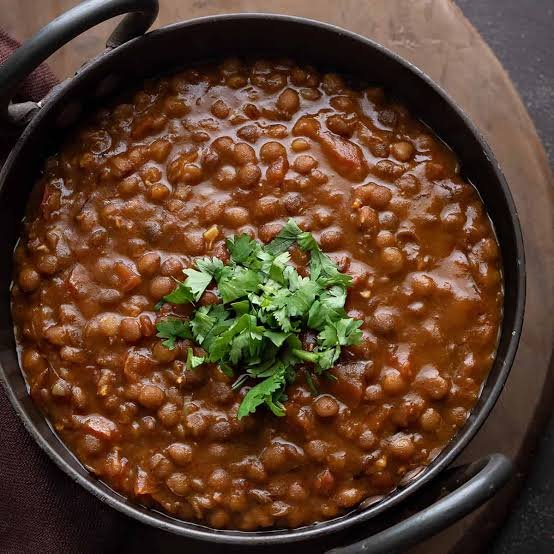
Because our busy weekday routines leave little time to cook every meal from scratch, meal prepping big batches of lentils on Sunday is a standard ritual. But let’s be honest: how many times have you stared at that stainless steel dabba sitting in the back of your refrigerator, wondering: how long does cooked dal last in the fridge? Is it still safe to eat after four days? Does that light film on top mean it’s spoiled?
Understanding how long does cooked dal last in the fridge is essential for both your family’s health and food enjoyment. To give you an immediate snapshot for your meal prep planning, here is the quick storage reference timeline:
| Storage Method | Plain Boiled Dal | Dal with Tadka / Veggies | Dal with Cream / Milk / Coconut |
| Room Temp (25°C–35°C) | 3 – 4 Hours Max | 2 – 3 Hours Max | 2 Hours Max |
| Refrigerator (≤ 4°C) | 4 – 5 Days | 3 – 4 Days | 2 – 3 Days |
| Deep Freezer (-18°C) | 2 – 3 Months | 2 Months | 1 – 2 Months (May separate) |
While refrigeration slows down microbial growth dramatically, cooked lentils are rich in moisture, starch, and protein, making them fertile ground for spoilage over time if handled incorrectly. Let’s dive deeper into how different lentils behave under cold storage!
2. Does the Type of Dal Change Shelf Life?
Not all pulses and lentils behave identically once pressure cooked. The physical structure, protein density, and starch content of the lentil dictate its stability in cold storage.
- Yellow Moong Dal & Pink Masoor Dal: These quick-cooking, skinless lentils absorb water rapidly and break down into a smooth, creamy consistency. Because they form a starch-heavy broth, they tend to sour faster if left at borderline temperatures. When asking yourself how long does cooked dal last in the fridge when using Moong or Masoor, plan to consume them within 3 to 4 days.
- Toor / Arhar Dal: The quintessential staple of Indian homes holds up well in refrigeration for 4 to 5 days, provided no perishable aromatics like fresh onions or tomatoes were tempered into the base batch.
- Chana Dal, Rajma & Black Urad (Dal Makhani): Dense, thick-skinned legumes contain resistant starches that retain structural integrity longer. Plain boiled Chana dal or Rajma can easily last up to 5 days in the fridge. However, prepared Dal Makhani containing heavy cream or butter should be eaten within 2 to 3 days to avoid milk fat rancidity.
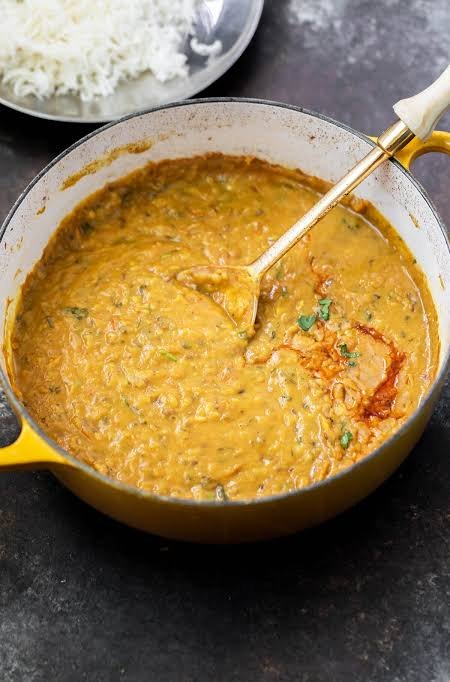
3. Plain Dal vs. Dal with Tadka: The Tempering Factor
If you want to stretch how long does cooked dal last in the fridge, the secret lies in when you apply the tadka (tempering).
💡 Smart Meal-Prep Pro-Tip:
Always boil a large batch of plain dal with just salt, turmeric, and water. Divide it into smaller containers and store them in the fridge. Apply fresh garlic, cumin, ghee, tomato, and onion tadka only to the specific portion you plan to consume for that meal!
Why does tadka reduce shelf life?
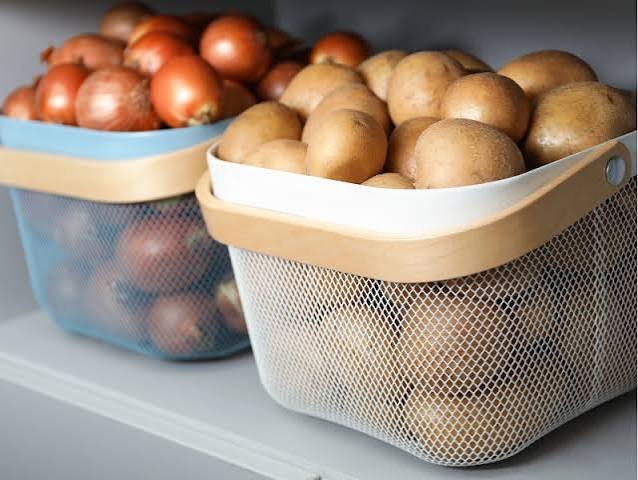
- High Moisture Vegetables: Sautéed onions, fresh tomatoes, green chilies, and ginger introduce moisture and organic plant sugars that accelerate bacterial growth.
- Acidic Tomatoes: While tomatoes add tangy flavor, raw or partially cooked tomato paste ferments quickly when held in liquid medium for more than 72 hours.
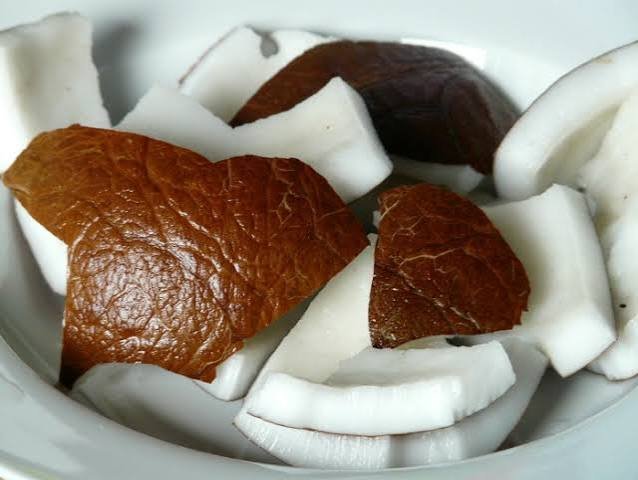
- Dairy Additions: Adding malai (cream), milk, butter, or curd to dishes like Dal Makhani or Gujarati Dal lowers the stability significantly. Dairy ferments very quickly, cutting fridge shelf life down to 2–3 days max.
4. Correct Cooling and Refrigeration Process
One of the biggest mistakes made in Indian kitchens is placing hot, steaming pressure cookers directly into the fridge—or conversely, letting the dal sit on the kitchen counter for hours until it cools down completely. Both habits trigger serious food safety risks!
According to standard food safety guidelines, cooked food enters the dangerous “Temperature Danger Zone” (5°C to 60°C or 40°F to 140°F) where foodborne bacteria like Bacillus cereus double every 20 minutes.
Step-by-Step Cooling & Storage Protocol:
- The 2-Hour Rule: Never leave cooked lentils at room temperature for more than 2 hours (or 1 hour if your Indian kitchen ambient temperature exceeds 32°C during hot summer months).
- Shallow Container Method: Do not cool dal inside a deep, heavy pressure cooker. The core remains warm for hours, incubating bacteria! Instead, pour the hot dal into wide, shallow glass or stainless steel containers to dissipate heat rapidly.
- The Ice Bath Trick (For Large Batches): If you’ve prepared a massive festival or weekend batch, sit the pot in a shallow sink filled with cold water and ice cubes for 15 minutes before refrigerating.
- Seal Promptly: Once steam stops rising and the container feels lukewarm to touch, snap on an airtight lid and place it directly into the main fridge compartment (not on the door shelves where temperature fluctuates).
5. Best Containers for Storing Cooked Dal
The material of your storage container plays a massive role in preserving food flavor and stopping odor absorption.
| Container Material | Pros | Cons | Recommendation |
| Borosilicate Glass | Non-porous, non-reactive, clear visibility, microwave & oven safe. | Heavy, fragile. | ⭐⭐⭐⭐⭐ (Best Choice) |
| Food-Grade Stainless Steel | Highly durable, traditional Indian dabba, rapid cooling conduction. | Opaque; cannot be used in microwave. | ⭐⭐⭐⭐ (Great Choice) |
| BPA-Free Plastic | Lightweight, stackable, affordable. | Absorbs turmeric stains & fats over time; prone to micro-scratches. | ⭐⭐⭐ (Acceptable) |
Caution: Avoid placing reactive metal cookware (like unlined brass, copper, or reactive aluminum) into the fridge containing acidic dal (like Dal Sambhar or Tomato Dal), as metal leaching alters flavor and safety.
6. Can Cooked Dal Be Frozen?
If you want to prepare food weeks in advance, you might wonder: can cooked dal be frozen?
Yes, cooked dal can be frozen exceptionally well! Freezing stops microbial growth completely, allowing you to store cooked lentils for 2 to 3 months without losing flavor or nutritional value.
How to Freeze Cooked Dal Successfully:
- Freeze Plain Base Dal: Boiled lentils seasoned only with turmeric and salt freeze remarkably well.
- Portion Control: Never freeze an entire large batch in a single container unless you plan to feed ten people at once. Use smaller, freezer-safe, 300ml–500ml BPA-free containers or silicone pods.
- Leave Headspace: Liquid expands as it freezes! Leave about 1/2 inch of space at the top of your freezer container to prevent cracking lids.
- Label and Date: Write the preparation date on masking tape stuck to the lid so you follow the FIFO (First In, First Out) principle.
7. How to Thaw Frozen Dal Safely
Thawing frozen lentils incorrectly can lead to mushy textures or bacterial growth. Here are the three safest ways to thaw your meal-prepped lentils:
- Overnight Refrigerator Thawing (Best Method): Transfer the frozen container from the freezer to the lower shelf of your fridge 12 to 24 hours before cooking. It thaws evenly and safely.
- Direct Stovetop Defrosting (Fast Method): Pop the frozen block of dal directly into a saucepan, add 2–3 tablespoons of water, cover with a lid, and heat over low flame. Stir gently as it thaws and comes to a simmer.
- Microwave Defrost Setting: Use your microwave’s defrost setting in 2-minute bursts, stirring intermittently to eliminate cold spots.
8. Best Reheating Methods for Refrigerated Dal
When reheating refrigerated dal, ensure it reaches an internal temperature of 74°C (165°F) or bring it to a full rolling boil to destroy any bacteria that may have multiplied during storage.
Method A: The Stovetop Rolling Boil (Recommended)
Pour the chilled dal into a saucepan. Because cold dal thickens dramatically, add 3 to 4 tablespoons of hot water to adjust consistency. Bring the dal to a full, bubbling rolling boil for at least 1 to 2 minutes while stirring.
Method B: Microwave Reheating
Place the portioned dal in a microwave-safe glass bowl. Add a splash of water, cover with a microwave-safe lid (leaving a tiny steam vent), and heat on HIGH for 2 minutes. Pause, stir thoroughly to eliminate cold pockets, and microwave for another 1 minute until steaming hot.
9. Why Refrigerated Dal Becomes Thick (and How to Fix It)
Have you ever put a liquid, soup-like dal into the fridge at night, only to find a firm, jelly-like brick the next morning? Don’t panic—this does not mean your dal has gone bad!
Lentils are loaded with natural complex starches and fiber. When cooked in water, these starches swell and absorb liquid. As the dal cools down in the refrigerator, these starch molecules align and form a tight gel network, trapping free water—a natural scientific process known as starch retrogradation.
How to restore original texture: Simply add a few tablespoons of warm water or broth when reheating on the stove. Whisk gently as it heats up, and the gel structure will dissolve, returning your dal to its original velvety consistency.
10. How to Know If Dal Is Spoiled: The Spoilage Checklist
Before taking a bite of leftover dal, always perform a quick sensory inspection. Knowing how to know if dal is spoiled keeps your stomach safe from foodborne illness.
🚨 The Ultimate Spoilage Checklist:
- Slightly Sour or Off Odor: Fresh dal smells earthy, nutty, or aromatic. A sharp, sour, fermented, or yeasty smell indicates bacterial fermentation. Discard immediately.
- Bubbling or Frothing on Surface: If you see micro-bubbles, white foam, or a fizzy appearance when you open the container lid, wild yeast or bacteria have fermented the starches.
- Slimy or Sticky Texture: When stirred, if the dal leaves long, slimy strings or feels unusually slippery, microbial biofilm has developed.
- Color Changes & Mold: White, grey, green, or fuzzy spots on the surface or container walls mean fungal growth has taken hold.
- Sour, Acidic Taste: If it passes visual and smell tests but tastes noticeably sour (when no lemon, tamrind, or amchur was added), spit it out and throw the batch away.
11. Can Dal Left Outside Overnight Be Eaten?
This is one of the most frequent dilemmas in Indian households: “I forgot the pressure cooker on the kitchen counter overnight during summer—can I just re-boil it for 10 minutes in the morning and eat it?”
The Definitive Answer: NO.
Leaving cooked dal at room temperature (especially in ambient tropical climates ranging between 25°C to 38°C) overnight is extremely unsafe. Bacteria like Bacillus cereus and Clostridium perfringens produce heat-resistant spores and toxins while multiplying rapidly in warm, protein-rich environments.
Re-boiling or boiling for 20 minutes will kill live bacteria, but it CANNOT destroy heat-stable bacterial toxins. Ingesting these toxins can cause severe food poisoning, stomach cramps, vomiting, and diarrhea. When in doubt, throw it out!
12. Frequently Asked Questions (FAQs)
Q1: How long does cooked yellow moong dal last in the fridge?
Plain boiled moong dal lasts 3 to 4 days in an airtight container. If cooked with tomatoes and onions, consume it within 2 to 3 days for optimal safety and flavor.
Q2: Can I reheat cooked dal multiple times?
It is best to avoid reheating the same batch repeatedly. Reheating and cooling food multiple times degrades nutrients, alters flavor, and increases bacterial contamination risks. Only reheat the specific portion you plan to eat.
Q3: Why does my cooked dal turn sour in the fridge after just 2 days?
Early souring happens if warm dal was closed in a container before cooling down (causing internal condensation drippage), if contaminated wet spoons were used, or if your fridge temperature is running warmer than 4°C.
Q4: Is it safe to freeze dal with ghee tadka?
Yes, ghee tadka freezes fine, but cooked onions or tomatoes in the tempering can release extra water upon thawing, diluting the flavor. For best results, freeze plain dal and add fresh tadka right before serving!
Published on Grocery-Bazaar.com — Your trusted online destination for authentic Indian groceries, kitchen tips, and healthy living.
See Also
- How to Cook and Freeze Dal | Lentils
- How long do cooked lentils last in the fridge?
- How to Store Onions, Potatoes and Garlic Without a Fridge in India
- Does Hing Expire? How to Store Asafoetida Without Losing Its Aroma
- How Long Does Idli Dosa Batter Last in the Fridge? Storage, Smell Test & Safety Guide