
It is 7:30 PM on a hectic Wednesday. You have just wrapped up a long day of work, your energy levels are hitting rock bottom, and your family is starving. You want to whip up a quick, comforting meal—maybe a classic chicken curry, a smoky paneer bhurji, or a rich bowl of dal tadka. But have you wondered – how long does homemade ginger garlic paste last
You peel your onions, chop your tomatoes, and light the stove. Then comes the ultimate momentum-killer of Indian cooking: peeling the garlic and scraping the ginger.
Fumbling with those sticky, stubborn garlic skins when you are exhausted is enough to make anyone give up and order expensive takeout.
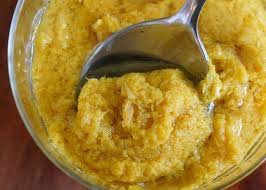
This is exactly why smart home cooks and weekend meal-preppers consider a giant jar of homemade ginger-garlic paste (GGP) to be the holy grail of meal prepping indian bases. Spending 20 minutes on a lazy Sunday peeling, chopping, and blending a big batch means you have an instant flavor bomb ready to drop into your pan every single weeknight.
But right after you blend that beautiful, fragrant, smooth ivory paste and transfer it into a glass jar, a wave of anxiety hits. “How long does homemade ginger garlic paste last in fridge? Will it spoil after a few days? Why does my homemade version turn an unappealing shade of pale green while the store-bought jars stay perfectly white for months?”
Today, we are going to unpack the science behind storing ginger garlic mixture bases safely. We will look at the real shelf-life timeline, explore three simple kitchen stabilizers that act as natural preservatives, and share a brilliant freezing trick that keeps your paste fresh for months.
The Shelf Life Timeline: Pure Homemade vs. Store-Bought
To understand how long your culinary base will remain safe and flavorful, we have to contrast what happens in your home blender with what happens inside an industrial food processing plant.
[ Pure Homemade Paste ]   ──> No additives ──> Lasts 5 to 7 Days in Fridge (Quick oxidation)
[ Stabilized Homemade ]   ──> Oil, salt, turmeric ──> Lasts 3 to 4 Weeks in Fridge (Natural shield)
[ Store-Bought Jars ]     ──> Sodium benzoate/Acids ──> Lasts 6+ Months (Altered flavor profile)
1. Plain, Additive-Free Homemade Paste (5 to 7 Days)
If you simply toss raw ginger pieces and garlic cloves into a mixer with a splash of plain tap water to help the blades catch, your shelf life is surprisingly short. In the refrigerator, this pure, unshielded paste will only retain its premium flavor and safety profile for 5 to 7 days.
Why so short? The moment the blender blades rupture the plant cell walls, enzymes are released directly into the air. This triggers rapid oxidation—the exact same chemical reaction that causes a cut apple to turn brown on your counter.
Furthermore, raw tap water introduces external moisture and dissolved oxygen, creating an ideal breeding ground for microscopic mold and bacteria inside the cold, dark environment of your refrigerator.
2. Commercial Store-Bought Paste (6+ Months)
We all know those ubiquitous plastic pouches and glass jars sitting on supermarket shelves. They can sit open in your fridge door for half a year without changing color or growing mold.
However, this incredible longevity comes at a major cost to flavor. Industrial manufacturers load those mixes with chemical preservatives like sodium benzoate or potassium metabisulfite, alongside strong regulators like acetic acid or citric acid (vinegar elements).
While completely safe to consume, these chemical stabilizers permanently alter the flavor. They introduce a distinct, unpleasantly sour, metallic, and highly processed aftertaste to your curries. Nothing beats the clean, punchy, aromatic aroma of a fresh homemade batch!
The Green Discoloration Mystery: Is It Safe?
Before we look at extension hacks, let’s address a minor panic attack that almost every beginner cook experiences: The Green/Blue Color Shift.
You open your three-day-old jar of ginger-garlic paste, and the top layer has transformed into a bizarre, alien-like bright green or soft blue hue. Your immediate reaction might be to assume it has grown toxic mold and dump it straight into the sink.
The Scientific Truth: This color shift is completely harmless! When garlic is crushed, its natural sulfur compounds interact with trace amino acids and organic acids present inside the ginger. Under slightly acidic or cold conditions, these elements undergo a safe chemical reaction that creates green pigments called pyrroles.
While it looks slightly unusual, it is perfectly safe to eat and will not change the flavor of your dish once it hits the hot cooking oil. However, if you want your paste to retain that gorgeous, premium restaurant-style cream-ivory color, you can easily prevent this reaction by utilizing our natural kitchen stabilizers.
The 3 Secret Kitchen Preservatives: Nature’s Food Stabilizers
You do not need an industrial chemistry lab to protect your storing ginger garlic mixture bases from oxidation and bacterial growth. You just need to raid your own spice box and pantry for three highly effective, natural food stabilizers shelf life extenders.
By introducing these three simple ingredients directly into your blender during the milling stage, you can safely extend the refrigerator shelf life of your homemade paste from a brief 5 days to a full 3 to 4 weeks!
1. Cooking Oil (The Oxygen Shield)
- The Science: Water accelerates oxidation and fungal growth; oil does the exact opposite. Oil acts as a physical hydrophobic barrier, completely coating the microscopic ginger and garlic particles and preventing ambient oxygen from making direct contact with the sensitive plant enzymes.
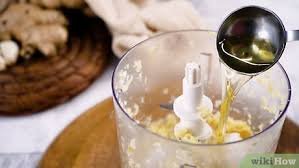
- The Execution: Never use water to help your blender run smoothly. Instead, add 1 to 2 tablespoons of any neutral cooking oil (like sunflower, canola, or peanut oil) per 200 grams of ginger and garlic. The oil creates an incredibly silky, smooth emulsified texture while locking out decay.
2. Table Salt (The Moisture Lock)
- The Science: Salt is one of humanity’s oldest and most dependable natural food preservatives. It works through a biological process called osmosis. Salt draws free water molecules out of the plant cells and binds to them, leaving zero free moisture available for floating mold spores or bacteria to feed on.
- The Execution: Add 1 teaspoon of regular iodized table salt to your blender batch. Because salt is a natural flavor enhancer, this also seasons your base ahead of time. Just remember to add slightly less salt to your final curries later on!
3. Turmeric Powder / Haldi (The Organic Antimicrobial)
- The Science: Ground turmeric is packed with an active bio-compound called curcumin. Curcumin is a renowned natural antioxidant and antimicrobial agent that actively inhibits the growth of food-spoiling pathogens while keeping the base stable.
- The Execution: Toss a half-teaspoon of bright turmeric powder into the mixer. Not only does this extend the shelf life, but it also gives the paste a gorgeous, warm golden hue that masks any potential green discoloration from the garlic.
The Ice Cube Tray Hack: Enjoy Fresh Flavor for 6 Months
If you prefer to buy your ginger and garlic in massive wholesale quantities once a season, or if you want to prep a massive stash that lasts half a year, the refrigerator isn’t going to cut it. You need to leverage the power of the deep freezer.
However, freezing a massive 500-gram batch inside a solid glass jar is a recipe for disaster. The water content will expand, cracking the glass, and the paste will freeze into a rock-hard block, forcing you to thaw the entire container every single time you want to use a single teaspoon.
To avoid this, use the legendary Ice Cube Tray Hack to create perfectly portioned, ready-to-drop flavor blocks.
[ Blend Fresh Paste ] ──> Spoon into clean silicone ice cube tray ──> Freeze solid (4 Hours)
                                                                               │
                                                                               ▼
[ Instant Cooking ]  <── Pop out 1 cube per curry <── Store cubes in sealed Ziploc bag
The Step-by-Step Freezing Protocol:
- The Fill: Take a clean, completely dry silicone ice cube tray (silicone works best because it is flexible). Drop exactly 1 tablespoon of your fresh paste into each individual cube cavity. Press it down firmly with the back of a spoon to eliminate trapped air pockets.
- The Initial Freeze: Slide the tray horizontally into your deep freezer and leave it undisturbed for 4 to 6 hours until the portions are frozen completely rock-solid.
- The Bag Transfer: Pop the frozen ginger-garlic cubes out of the tray. Working quickly so they don’t melt, transfer these individual cubes into a heavy-duty, airtight freezer Ziploc bag. Squeeze out as much air as possible from the bag before sealing it tight.
- The Storage: Label the bag with the current date and slide it back into the freezer. Your paste will keep its punchy flavor and aroma for up to 6 months!
- How to Cook: When it is time to make dinner, do not thaw the cube on your counter (which can make it watery). Simply pull out one individual frozen cube and drop it straight into your hot pot of sizzling onions and oil. The heat of the pan will thaw and sauté the paste instantly, releasing an incredibly fresh aroma.
Master Comparison Blueprint for Ginger-Garlic Storage
To help you choose the absolute best preparation and storage framework for your household’s eating habits, reference this handy kitchen blueprint:
| Storage Location | Additives Used | Safe Preservation Window | Best For… | Texture & Flavor Profile |
| Refrigerator (Standard Shelf) | None (Water only) | 5 to 7 Days | Quick weekly turnarounds | Sharp, pungent, highly prone to green color shifts. |
| Refrigerator (In a Glass Jar) | Oil + Salt + Turmeric | 3 to 4 Weeks | Regular weekend meal-preppers | Creamy, rich, highly stable, authentic fresh aroma. |
| Deep Freezer (Ziploc Cubes) | Oil only (Optional) | 6 Months | Bulk shoppers & busy professionals | Sharp, instantly locks in freshness, highly convenient. |
4 Pro-Tips to Prevent Cross-Contamination and Spoilage
Even if you use oil and salt, bad kitchen habits can introduce external bacteria that spoil a good batch of paste. Protect your jars by following these four golden rules of kitchen hygiene:
- The Dry Spoon Mandate: Never, under any circumstances, dip a wet spoon, a used tasting spoon, or a spoon that has touched raw onions into your main ginger-garlic jar. Introduce a single drop of water or external food residue, and a colony of mold will appear on the surface within days. Always use a dedicated, bone-dry clean spoon.
- The Glass Jar Superiority: Always store your refrigerator batches in thoroughly washed, sterilized glass jars rather than plastic containers. Plastic is highly porous; it easily absorbs the intense volatile sulfur smells of garlic, making it incredibly difficult to clean later, and it doesn’t hold a cold temperature seal as effectively as glass.
- The Ratios Matter: For a perfectly balanced, authentic Indian culinary base, always use a $1:1$ ratio by weight of cleaned ginger to peeled garlic. If you prefer a sharper, more restaurant-style punch, you can skew the ratio slightly to 60% garlic and 40% ginger.
- The Floating Oil Seal: If you want your refrigerated glass jar to last a full month, use this clever catering trick: after smoothing out the top layer of paste inside the jar, pour a very thin, additional layer of plain cooking oil right over the surface until it forms a shallow, gleaming pool. This floating oil layer acts as a perfect lid, completely sealing the paste away from any air trapped inside the jar’s neck.
Conclusion: Take Control of Your Weeknight Cooking Flow
Mastering the art of making and saving your own ginger-garlic paste is a complete game-changer for anyone navigating a busy modern lifestyle. It bridges the gap between quick, convenient cooking and fresh, authentic, healthy meals. By stepping away from chemical-heavy store-bought alternatives and taking control of your own pantry bases using simple stabilizers like oil, salt, and the magic of your freezer, you can easily shave ten minutes off your daily dinner prep. Your curries will taste richer, your kitchen routine will be incredibly smooth, and your weeknight stress will melt away completely. Happy cooking!
See Also
Homemade Ginger garlic paste that will last for 6 months and more
Does Garam Masala Go Bad? The Truth About Spice Shelf Life