
To store tomatoes without a fridge, keep unripe tomatoes in a cool, ventilated place away from direct sunlight and separate damaged tomatoes from healthy ones. Check them daily as they ripen. In hot Indian summers, ripe tomatoes spoil more quickly, so refrigeration may be necessary to prevent waste.
Every Indian household knows the exact struggle of summer grocery shopping. You walk into your local sabzi mandi or order a fresh batch of desi or hybrid tomatoes from your favourite online grocery app, only to find half of them turning mushy, wrinkled, or outright mouldy within 48 hours. When kitchen temperatures easily cross 35°C to 42°C in May and June, keeping your fresh produce intact feels like a losing battle.
Whether you live in a compact flat with a mini-fridge that is constantly overflowing, you are dealing with frequent summer power cuts, or you simply prefer the rich, tangy flavour of room-temperature tomatoes for your daily tadka and salads, knowing how to store tomatoes without fridge is an essential kitchen survival skill.
In this detailed guide tailored specifically for Indian kitchens, we will walk you through practical, tested methods for tomato storage in summer India, how to sort them by ripeness, and simple household tricks to stop them from rotting before you get a chance to cook them.
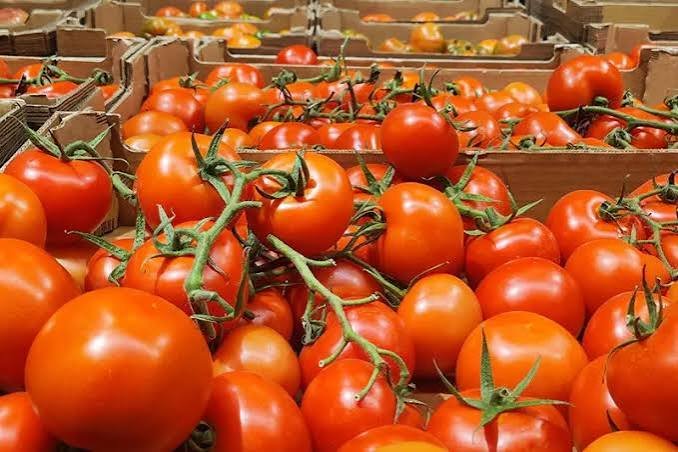
How to Store Tomatoes Without a Fridge
When you do not have refrigerator space—or want to preserve that authentic, juicy texture that cold air ruins—your primary goal is controlling airflow, moisture, and heat. Follow these step-by-step numbered instructions to keep tomatoes fresh without refrigeration during peak summer months:
- Inspect and Sort Immediately: As soon as you bring your tomatoes home, empty the plastic carry bag onto your kitchen counter. Separate firm, green, or semi-ripe tomatoes from soft, bruised, or cracked ones. Even one slightly damaged tomato releases excess moisture and bacteria that will spoil the entire batch overnight.
- Do Not Wash Before Storing: Never wash tomatoes before putting them away. Water trapped around the stem scar creates a breeding ground for mould and fungal rot in humid Indian weather. Only wash them right before slicing or cooking.
- Wipe Down with a Dry Cloth: If your tomatoes look dusty from the market, gently wipe them with a clean, dry cotton kitchen towel (gamcha or napkin).
- Apply the Stem-Side Down Rule: Place semi-ripe and ripe tomatoes upside down (stem-scar side facing down) on a flat surface. The stem scar is the weakest point of the tomato’s skin; placing it flat against a clean surface prevents air and bacteria from entering while slowing down moisture loss.
- Use a Ventilated Bamboo Basket (Daliya) or Wide Tray: Never leave tomatoes piled up inside a closed polythene bag or a deep plastic container. Spread them out in a single layer inside a breathable bamboo basket, wire rack, or wide steel thali lined with newspaper or brown paper bags.
- Find the Coolest Spot in Your House: Keep the basket away from the gas stove, sunny kitchen windows, and heat-emitting appliances like your microwave or refrigerator exhaust. A shaded corner in the living room, under a dining table, or inside a cool, airy pantry works far better than a hot kitchen counter.
- Check and Rotate Daily: Once every morning, check your stash. Pick out the ones that have turned bright red for that day’s dal or sabzi, and gently turn the remaining ones to avoid pressure bruising.
Should Tomatoes Be Stored at Room Temperature or Refrigerated?
There is an age-old debate among home cooks and chefs about whether tomatoes belong on the counter or inside the crisper drawer. The truth is, both methods work—it all depends on ripeness and ambient room temperature.
In mild weather (below 25°C), room temperature is hands-down the winner. Cold temperatures below 12°C halt the ripening enzymes inside a tomato and break down its cell membranes, leaving you with a mealy, bland fruit. However, during scorching Indian summers when indoor temperatures regularly hit 32°C to 40°C, extreme heat accelerates over-ripening and bacterial rot.
Use this quick comparison table to decide the best home for your tomatoes based on their current stage:
| Ripeness Stage | Visual Appearance & Feel | Best Storage Location (Summer) | Expected Shelf Life | Ideal Use in Indian Cooking |
| Mature Green | Fully green skin, firm to the touch, no soft spots | Room Temperature (Cool, shaded ventilated basket) | 7 to 12 days | Fried green tomato sabzi, tangy chutneys, or ripening slowly on the counter |
| Turning / Breaker | Greenish-yellow with a light pink or orange blush at the bottom | Room Temperature (Single layer, stem-side down) | 4 to 7 days | Daily tadka, rasam, sambar, and curries over the next few days |
| Semi-Ripe (Pink) | Mostly orange-pink with slight firmness remaining | Room Temperature (Coolest spot in house) | 2 to 4 days | Fresh kachumber salad, sandwiches, pav bhaji base |
| Fully Ripe (Red) | Deep red, glossy skin, yields slightly to gentle pressure | Room Temperature (1–2 days max) OR Fridge (if keeping longer) | 1–2 days outside; 4–5 days in fridge | Immediate cooking, raw salads, chaat toppings |
| Overripe / Soft | Very soft, slightly wrinkled skin, heavy juice feel | Immediate Cooking or Freezer (Do not store outside) | Use within 12–24 hours | Blended tomato puree, makhani gravy base, soup |
How to Store Green, Semi-Ripe and Fully Ripe Tomatoes
Not all tomatoes in your kilo bag are at the same stage of maturity. Treating a rock-hard green tomato the exact same way as a juicy red one is why half your batch goes bad. Here is how to handle each stage of ripe tomato storage and unripe ripening properly.
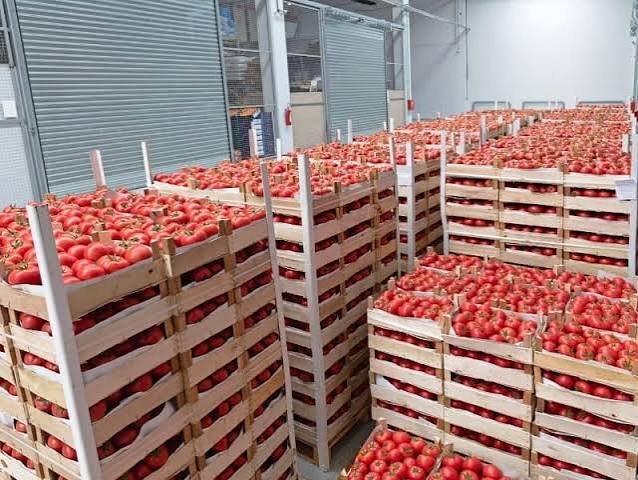
Visual Comparison: Green vs. Turning vs. Fully Ripe Tomatoes
- Green Tomatoes: Uniform light-to-dark green skin with a waxy, firm exterior. They feel heavy and hard when squeezed gently. They lack sweetness and have high acidity.
- Turning (Semi-Ripe) Tomatoes: Often called the “breaker” stage. You will notice a subtle pinkish-orange blush starting at the blossom end (the bottom) while the shoulders near the stem remain green. They give slightly under firm finger pressure.
- Fully Ripe Tomatoes: Vibrant red across the entire surface, glossy skin, and an earthy, sweet aroma near the stem. They feel plump and yield gently when held.
Storage Strategy by Ripeness
1. Storing Green Tomatoes
If you deliberately buy a mix of green and semi-ripe tomatoes during your weekly grocery run—which is a smart strategy for tomato storage in summer India—keep the green ones completely separate from red ones.
- Wrap individual green tomatoes loosely in newspaper or place them inside a breathable paper bag in a cool cupboard.
- Newspaper absorbs excess humidity while trapping just enough natural ethylene gas for slow, even ripening.
- Pro Tip: Need them to ripen faster for weekend guests? Toss one ripe banana or apple into the paper bag with the green tomatoes. The ethylene gas from the banana will turn them red in 48 hours.
2. Storing Semi-Ripe (Turning) Tomatoes
Semi-ripe tomatoes are the sweet spot for Indian households. They can easily survive store tomatoes in hot weather conditions without refrigeration for 3 to 5 days.
- Arrange them in a single layer on a wide bamboo tokri or perforated plastic crate.
- Ensure none of the tomatoes are stacked on top of one another, as weight creates soft bruises that quickly rot in the heat.
- Keep them stem-side down so moisture stays locked inside.
3. Storing Fully Ripe Tomatoes Without a Fridge
Once a tomato turns deep red, the clock is ticking—especially when indoor temperatures cross 35°C.
- Place fully ripe tomatoes on a cool surface—such as a terracotta plate (mitti ki plate) or a clean marble/granite slab in a shaded corner of your home. Terracotta naturally stays a couple of degrees cooler than plastic or steel.
- Keep them far away from ripe bananas, mangoes, onions, and potatoes, all of which speed up spoilage.
- Plan your meals around these first. Use fully ripe tomatoes within 24 to 48 hours before they turn mushy.
Five Common Tomato Storage Mistakes
Even with the best intentions, small daily habits in the kitchen can ruin your produce. If you are trying to figure out how to stop tomatoes rotting in summer, make sure you are not making these five everyday mistakes:
1. Leaving Them in Plastic Polythene Bags
Bringing vegetables home from the market in knotted plastic bags and tossing them straight into a corner is the fastest way to rot tomatoes. Plastic traps heat and condensation. Within hours, sweat builds up inside the bag, creating a sauna where mould thrives. Always empty polythene bags within 15 minutes of getting home.
2. Storing Tomatoes and Onions Together
In almost every Indian kitchen, there is a multi-tier vegetable trolley where potatoes, onions, and tomatoes sit right next to each other. This is a major storage blunder. Onions release moisture and gases that accelerate tomato ripening and cause premature softening, while tomatoes release moisture that makes onions sprout or rot. Always keep them in separate baskets.
3. Stacking Tomatoes in Deep Bowls
Piling two kilos of tomatoes into a deep steel bowl puts all the weight on the bottom layer. In hot weather, the delicate skin of the bottom tomatoes bruises under pressure. Once the skin breaks or weakens, fruit flies and bacteria move in immediately. Always use wide, shallow containers.
4. Washing the Entire Batch After Shopping
It is tempting to wash all your fruits and vegetables at once to keep your kitchen hygienic. However, moisture settling around the stem cavity invites black mould and sour rot. Keep them completely dry until the exact moment you are ready to chop them.
5. Placing the Vegetable Basket Near the Gas Stove or Sink
Kitchen counters next to the stove experience drastic heat spikes every time you cook breakfast, lunch, or dinner. Similarly, the area near the kitchen sink stays damp and humid. Both micro-climates destroy room-temperature tomatoes within a day.
How to Prevent Tomatoes from Rotting During Summer
When May and June heatwaves hit North, Central, or South India, standard room-temperature storage needs a little extra help. Try these practical, low-cost Indian household hacks to extend shelf life without electricity:
- The Cello Tape Stem-Sealing Trick: It sounds unusual, but covering the stem scar of a dry, clean tomato with a tiny piece of clear Scotch tape or food-safe tape blocks oxygen from entering and stops moisture from escaping. This simple hack can add 3 to 4 extra days to a tomato’s life at room temperature.
- Use Terracotta or Earthen Pots (Matka Method): Take a wide, unglazed earthen pot (mitti ka handi or gamla), place a dry cotton cloth at the bottom, and arrange your semi-ripe tomatoes inside. Cover the mouth of the pot with a damp muslin cloth (making sure the wet cloth does not touch the tomatoes directly). As water evaporates from the muslin cloth, it cools the air inside the pot naturally.
- Line Baskets with Neem Leaves or Newspaper: Placing a layer of clean newspaper at the bottom of your basket absorbs excess ambient humidity. Adding a few dried neem leaves underneath the paper also helps deter tiny fruit flies (machhar) that hover around ripening produce in summer.
- Buy Smarter at the Mandi: Instead of buying two kilos of bright red tomatoes at once, buy 500 grams of ripe red ones for immediate use, 1 kilo of firm orange-pink ones for days 3 to 5, and 500 grams of mature green ones for the end of the week.
- Sun-Drying Sliced Tomatoes: If you live in an area with dry heat (like Rajasthan, Delhi, Gujarat, or Maharashtra) and have surplus tomatoes, slice them thin, sprinkle a pinch of salt and turmeric, and sun-dry them on a clean cloth for 2 to 3 days. Store these sun-dried tomatoes in an airtight glass jar for months!
Spoilage Warning Signs: When to Salvage vs. When to Toss
Knowing when a tomato is simply overripe versus unsafe to eat protects your family from stomach infections during summer:
- Safe to Salvage (Use Immediately): Slightly wrinkled skin, soft spots without broken skin, or minor bruising. Wash thoroughly, cut away any bruised portion, and cook them immediately in a boiling curry or puree.
- Unsafe — Throw Away Immediately:
- Fuzzy white, green, or black mould growing around the stem or cracks.
- A sour, fermented, or vinegary smell.
- Slimy or leaking watery liquid when picked up.
- Dark, sunken water-soaked patches (anthracnose or bacterial soft rot).
- Food Safety Note: Because tomatoes are soft and high in moisture, mould threads spread invisibly deep inside the flesh. Never just scoop off the mouldy top and eat the rest—discard the entire tomato.
What to Do With Overripe Tomatoes Before They Spoil
Even with careful sorting, summer heat will occasionally push a few tomatoes into the soft, overripe stage before you get to them. Do not throw them in the dustbin! As long as there is no mould or sour smell, overripe tomatoes actually have the highest concentration of natural sugars and umami—making them gold for Indian cooking.
- Make Homemade Tomato Puree for the Week: Blanch the soft tomatoes in boiling water for 2 minutes, peel off the skins, blend into a smooth paste, and simmer it in a kadhai with a teaspoon of oil and a pinch of salt for 10 minutes until thick. Once cooled, store it in a clean glass jar. The cooking process kills spoilage bacteria and gives you a ready-to-use base for paneer butter masala, rajma, or chole.
- Whip Up Tangy South Indian Tomato Thokku (Pickle): Cook chopped overripe tomatoes down with tamarind, mustard seeds, curry leaves, fenugreek powder, red chilli powder, and generous sesame (gingelly) oil until the oil separates. High oil and salt content preserves thokku at room temperature for weeks!
- Simmer a Quick Tamatar Rasam or Shorba: Mash soft tomatoes directly into boiling water with crushed black pepper, cumin, garlic, turmeric, and coriander stems. It takes 15 minutes and turns mushy tomatoes into a comforting meal.
- Sun-Dry or Oven-Roast for Pasta & Toast: Cut squishy tomatoes into quarters, toss with olive oil, garlic, and salt, and roast until concentrated.
Frequently Asked Questions About Tomato Storage
1. How long do tomatoes last without a fridge in Indian summer?
In hot Indian summers (32°C to 40°C), fully ripe red tomatoes last about 1 to 2 days outside the fridge. Semi-ripe (orange-pink) tomatoes last 3 to 5 days, while firm green tomatoes can stay fresh at room temperature for 7 to 12 days if kept in a cool, shaded, ventilated basket.
2. Why should you store tomatoes upside down (stem-side down)?
The stem scar at the top of a tomato is where moisture escapes fastest and where airborne bacteria and mould spores enter. Placing tomatoes stem-side down on a clean, flat surface seals off this vulnerable spot, slowing dehydration and preventing early rotting.
3. Does putting tape over the tomato stem really keep it fresh?
Yes! Applying a small strip of clean tape over the dry stem scar acts as a physical barrier against oxygen and bacteria. Combined with keeping tomatoes out of direct sunlight, this simple trick can extend room-temperature freshness by 3 to 4 days.
4. Is it better to store tomatoes in a plastic basket or a bamboo basket?
A woven bamboo basket (daliya) or a wire mesh basket is much better than a solid plastic bowl. Bamboo allows 360-degree air circulation around the tomatoes, preventing heat and humidity from building up underneath them.
5. Can I keep tomatoes in water to keep them cool without a fridge?
No, never submerge or store whole tomatoes in water. Tomatoes absorb water through their stem scar, causing the skin to split and encouraging rapid bacterial and fungal growth within hours. If you want evaporative cooling, use an earthen pot covered with a damp cloth without letting water touch the tomatoes.
6. Why do tomatoes lose flavour in the refrigerator?
Temperatures below 12°C deactivate the enzymes responsible for producing a tomato’s sweet, aromatic flavour compounds and damage its internal cell walls, resulting in a bland, grainy texture. That is why keeping semi-ripe tomatoes at room temperature is ideal—reserve the fridge only for fully ripe tomatoes that are about to spoil in extreme summer heat.
See Also
- I keep fresh tomatoes in a box without a refrigerator! does not spoil for months
- 5 Ways to Preserve Tomatoes
- How to Store Fresh Coconut: Whole, Cut and Grated Coconut Guide
- How to Store Onions, Potatoes and Garlic Without a Fridge in India
- How to Store Curry Leaves in the Fridge: Keep Kadi Patta Fresh for Weeks
- How Long Does Homemade Ginger-Garlic Paste Last? (And How to Extend It)
- Does Garam Masala Go Bad? The Truth About Spice Shelf Life