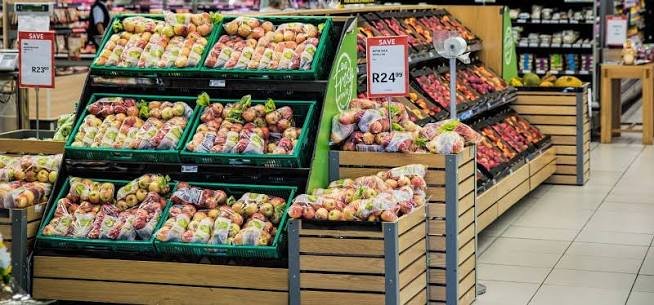

Walk into any Indian supermarket and you are surrounded by claims.
“High protein.” “No added sugar.” “Multigrain.” “Natural.” “Made with real fruit.” “Low fat.”
The front of the packet is designed to attract your attention. The more useful information, however, is usually on the back.
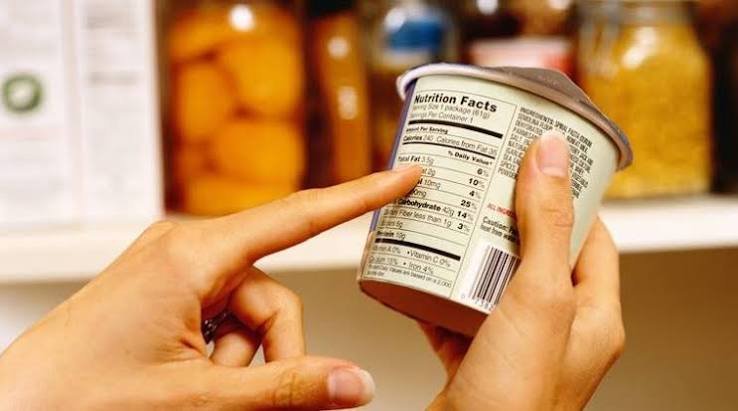
Learning how to read food labels in India can help you compare two seemingly similar products, understand what you are actually paying for and avoid being misled by attractive packaging.
You do not need to be a nutritionist either. Once you know where to look, checking food labels in India takes less than a minute.
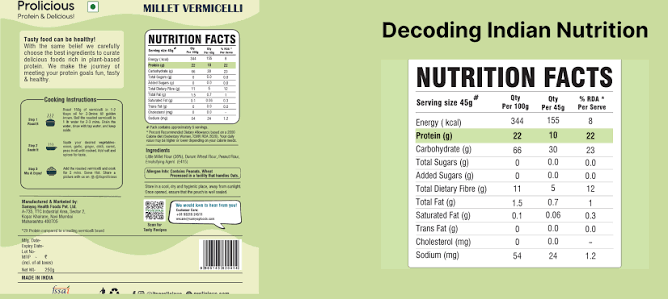
FSSAI’s Labelling and Display Regulations require pre-packaged foods to carry prescribed information, while India’s Legal Metrology rules cover information such as net quantity, retail sale price and unit sale price. FSSAI’s labelling regulations have continued to receive amendments, including amendments notified in 2025 and 2026. (FSSAI)
Here is what you should actually look for.
Quick Checklist: How to Read Food Labels in India
If you have only a few seconds in a supermarket, check these eight things:
- FSSAI logo and licence number
- First three to five ingredients
- Total sugar and added sugar
- Serving size and number of servings
- Expiry/use-by and best-before information
- Vegetarian or non-vegetarian symbol
- Allergen declaration
- Net quantity, price and storage instructions
That simple routine gives you far more useful information than relying on phrases such as “healthy”, “premium” or “wholesome” printed prominently on the front.
Now let us look at each part in detail.
Where to Find the FSSAI Licence Number on Packaged Food
One of the first pieces of FSSAI label information to look for is the FSSAI logo followed by the licence number.
Under FSSAI’s labelling rules, the logo and licence number of the brand owner must appear on the label. Where the manufacturer, marketer, packer or bottler is different from the brand owner, the relevant additional licence number may also have to be displayed. Imported packaged foods must carry the importer’s FSSAI details along with the importer’s name and address. (FSSAI)
The licence number normally appears on the back or side panel of the packet, often close to the manufacturer’s details.
One important point: an FSSAI logo should not be treated like a quality award. FSSAI itself has clarified that displaying the logo and licence number signifies that the food business operator holds the required licence; it is not by itself a certification that one particular product is nutritionally superior to another. (FSSAI)
So check it, but do not stop there.
Ingredient List Explained: Start With the First Few Ingredients
The ingredient list is arguably the most revealing part of a packaged food label.
For most multi-ingredient packaged foods, FSSAI rules require ingredients to be listed in descending order according to their composition by weight or volume at the time of manufacture.
In plain English: the first ingredient is generally present in the largest quantity.
Suppose you pick up a breakfast cereal that says “Made with Whole Grains” on the front.
The ingredients might read:
Refined wheat flour, sugar, whole wheat flour, vegetable oil, cocoa solids…
Whole wheat may indeed be present, but it is not the main ingredient.
Now compare another packet:
Whole wheat flour, oats, ragi, sugar, vegetable oil…
The front of both packets may look equally wholesome. Their ingredient lists tell a different story.
This is why anyone learning how to read food labels in India should start with the first three to five ingredients rather than the advertising copy.
Why Ingredients Appear in a Particular Order
Ingredient order also helps you spot products where a desirable ingredient is present only in a small amount.
Take a “mango drink”, for example.
The packet may show large pictures of mangoes, but the ingredient list might begin with:
Water, sugar, mango pulp…
That tells you water and sugar were used in larger quantities than mango pulp.
FSSAI rules also provide for quantitative disclosure in certain circumstances where an ingredient is emphasised through the product’s words, pictures or graphics and disclosure is needed to properly characterise the food.
So when a pack says things such as:
“Made with almonds”
“Contains real fruit”
“Loaded with millets”
“Made from vegetables”
look for the ingredient list and, where stated, the percentage of that highlighted ingredient.
The picture on the packet tells you what the manufacturer wants you to notice. The ingredients tell you what went into the packet.
Nutrition Labels in India: Serving Size vs How Much You Actually Eat
The next trap is serving size.
A packet may appear low in calories, sugar or fat because the nutrition information refers to a serving much smaller than the quantity you normally eat.
For example:
Serving size: 25 g
Energy per serving: 120 kcal
But if you normally eat 50 g, you are consuming roughly two servings.
That means you need to calculate your intake accordingly.
FSSAI rules provide for nutritional information per 100 g, 100 ml or single-consumption pack, along with prescribed nutrition declarations and per-serving information where applicable. The regulations cover values such as energy, protein, carbohydrates, total sugars, added sugars and fats.
For supermarket comparisons, per 100 g or per 100 ml is often the easiest figure to use.
If Brand A gives you 8 g sugar per 100 g and Brand B gives you 21 g, you can compare them immediately without worrying about different serving sizes.
Total Sugar vs Added Sugar on Indian Food Labels
This distinction is extremely useful.
Total sugar includes sugars naturally present in ingredients as well as sugars that may have been added during manufacturing.
Added sugar refers to sugars added to the food or beverage. FSSAI’s regulations define added sugars as monosaccharides and disaccharides added to foods and beverages and require nutritional declarations to include both total sugars and added sugars where the nutrition declaration applies.
Imagine a flavoured yoghurt contains:
- Total sugars: 14 g
- Added sugars: 8 g
Some of the sugar may naturally come from milk, while 8 g has been added.
This is considerably more informative than simply seeing “14 g sugar”.
Also check the ingredient list for words such as sugar, glucose, dextrose, syrup, invert syrup or other sweetening ingredients. The exact formulation matters more than whether the front of the packet looks “healthy”.
Best Before vs Expiry in India: What Is the Difference?
This is one of the most misunderstood parts of food labels in India.
“Best before” and “expiry/use by” do not mean exactly the same thing.
| Label wording | What it tells you | What should a shopper do? |
|---|---|---|
| Best before | Primarily relates to the period during which the product retains its expected qualities under stated storage conditions | Quality may decline afterwards; consider the product, condition and applicable expiry/use-by information |
| Expiry / Use by | Indicates the end of the estimated period after which the food may no longer remain safe or retain expected safety attributes | Do not consume food after its expiry/use-by date |
| Manufactured/Packed on | Tells you when the product was manufactured or packaged | Use it together with the expiry/use-by information to judge freshness |
Under the current FSSAI Labelling and Display Regulations, the date of manufacture or packaging and expiry/use-by date are required declarations, while “best before” may also appear as optional or additional information.
FSSAI defines a best-before date as the end of the period during which the product should remain fully marketable and retain its specified qualities under stated storage conditions. Beyond that date, the product may still be safe, although its quality can decline.
An expiry or use-by date is more serious. FSSAI defines it as the end of the estimated period after which the product may not remain safe and should not be sold or distributed for human consumption.
So when comparing best before vs expiry in India, remember:
Best before is mainly about quality. Expiry/use by is about the safe usable life of the food.
And storage matters. A food that says “refrigerate after opening” cannot simply be left on the kitchen counter until its printed expiry date.
Green and Brown Symbols: Vegetarian and Non-Vegetarian Food Labels
Most Indian shoppers recognise the small green symbol on vegetarian packaged food.
Under FSSAI rules:
- Vegetarian food carries a green filled circle inside a green square.
- Non-vegetarian food carries a brown filled triangle inside a brown square. (FSSAI)
The non-vegetarian declaration applies to foods containing ingredients, food additives or processing aids of animal origin as covered by the regulations.
Do not rely only on the product name. Something that looks vegetarian at first glance may contain an ingredient or additive you did not expect.
Check the symbol and then check the ingredient list.
Food Allergen Declarations: One Section You Should Never Skip
For somebody with a food allergy, the allergen declaration is more important than almost anything printed on the packet.
FSSAI requires specified allergens to be separately declared, generally using wording such as “Contains…”.
The regulated list includes categories such as:
- cereals containing gluten
- crustaceans
- milk
- egg
- fish
- peanuts and tree nuts
- soy
- sulphites above the prescribed concentration. (FSSAI)
You may also see wording such as:
“May contain nuts”
or
“May contain traces of milk and soy.”
FSSAI provisions allow a “May Contains…” declaration for allergenic ingredients that may be present because of cross-contamination. (FSSAI)
If you or someone at home has a serious allergy, never assume that two flavours or pack sizes from the same brand contain identical ingredients. Read the individual packet every time.
Net Weight and Unit Price: Compare What You Actually Get
Bigger packets are not automatically better value.
Imagine:
Pack A: ₹95 for 500 g
Pack B: ₹175 for 1 kg
The second pack is clearly cheaper per kilogram.
But supermarket shelves are full of less obvious comparisons: 450 g against 600 g, 750 ml against 1 litre, or promotional packs with different quantities.
India’s Legal Metrology rules provide for unit-sale-price declarations on pre-packaged commodities. Depending on quantity, this may be expressed as price per gram, kilogram, millilitre, litre or unit. The Department of Consumer Affairs defines unit sale price as the sale price, inclusive of taxes, for a specified unit of weight, measure or number. (Consumer Affairs)
Use it.
It makes comparing two pack sizes much quicker.
When examining food labels in India, check both:
Net quantity: How much food am I receiving?
Unit price: How much am I paying for the same quantity?
A large-looking packet can sometimes contain surprisingly little product.
Storage Instructions After Opening Matter
The printed expiry date assumes the product has been stored correctly.
FSSAI requires relevant instructions for use where necessary, including instructions needed for health and safety such as refrigeration after opening. Storage conditions must also be given when the validity of an expiry/use-by date depends on those conditions.
You may see instructions such as:
“Refrigerate after opening.”
“Consume within 3 days after opening.”
“Store in a cool and dry place.”
“Keep away from direct sunlight.”
“Transfer to an airtight container after opening.”
These are not decorative fine print.
For milk products, sauces, juices, spreads and other foods, opening the packet can substantially change how long the product remains usable.
Do Not Judge Packaged Food Only by Front-of-Pack Marketing Claims
The front of a packet is advertising space.
Words such as:
Natural
Pure
Traditional
Authentic
High protein
No added sugar
Low fat
may sound reassuring, but each claim should be checked against the detailed information on the packet.
FSSAI regulates food advertising and claims, including nutrition claims, non-addition claims and the use of descriptions such as “natural”, “fresh”, “pure”, “traditional”, “authentic”, “genuine” and “real”. Such words cannot simply be treated as unrestricted marketing language. (FSSAI)
As a buyer, however, you do not need to memorise the regulations.
Use a simpler rule:
Front of packet = claim.
Back of packet = evidence.
A “multigrain” biscuit may still contain refined flour as its largest ingredient.
A “made with real fruit” snack may contain only a modest percentage of fruit.
A “no added sugar” claim does not necessarily mean the product contains zero sugar.
A “high protein” claim does not tell you whether the product is also high in sugar, sodium or calories.
Always turn the packet around.
The Five-Second Supermarket Food Label Check
Once you get used to reading food labels in India, you do not need to study every packet for five minutes.
Try this five-second scan.
First: Look at the first three ingredients.
Second: Check added sugar.
Third: compare the nutrition numbers per 100 g or 100 ml.
Fourth: check expiry/use-by and storage instructions.
Fifth: glance at allergens, quantity and price.
If you are choosing between two similar products, put them side by side and compare the labels rather than their packaging.
That small habit can dramatically improve the quality of your grocery decisions.
Suggested Annotated Food Packet Image
For this article, an annotated packet image would make an excellent featured graphic.
Use a fictional packaged-food packet turned to its back panel, with arrows pointing to:
1. FSSAI licence number
2. Ingredient list
3. Nutrition information
4. Total sugar / added sugar
5. Allergen declaration
6. Veg/non-veg symbol
7. Manufactured and expiry/use-by dates
8. Net quantity and MRP
9. Storage instructions
Suggested image title: How to Read a Food Label in India
Suggested ALT text: How to read food labels in India showing FSSAI number, ingredients, nutrition, allergens and expiry date
Avoid using a recognisable commercial brand. A generic packet makes the image evergreen and keeps the focus on consumer education.
FAQs About Food Labels in India
What information should I check first on an Indian food label?
Start with the ingredient list, nutrition information, added sugar, expiry/use-by date, FSSAI details, allergens and net quantity. These tell you considerably more about the product than the advertising claims on the front.
How can I tell which ingredient is used the most?
Check the beginning of the ingredient list. Under FSSAI rules, ingredients are generally listed in descending order according to their composition by weight or volume at the time of manufacture.
Is best before the same as expiry in India?
No. A best-before date primarily relates to the period during which the food retains its expected quality. An expiry or use-by date marks the end of the estimated period after which the food may no longer remain safe.
Does “no added sugar” mean sugar-free?
Not necessarily. A product can contain naturally occurring sugars from ingredients even when no sugar has been added. Check both total sugars and added sugars in the nutrition panel.
Where is the FSSAI number printed?
It is normally found on the back or side of packaged food alongside the FSSAI logo and manufacturer or marketer information. The label must display the relevant FSSAI licence information required under the regulations. (FSSAI)
What does the green symbol on Indian food packets mean?
The green circle inside a green square identifies vegetarian food under the applicable FSSAI labelling rules. Non-vegetarian food uses a brown triangle within a brown square. (FSSAI)
Should I compare calories per serving or per 100 g?
For comparing brands, the per 100 g or per 100 ml figures are usually more useful, because manufacturers may use different serving sizes. Then use the serving information to estimate how much you personally consume.
Why should I read storage instructions if the packet has an expiry date?
Because an expiry date assumes the product has been stored under the specified conditions. Once opened, some products must be refrigerated or consumed within a shorter period.
Read the Back of the Packet Before You Buy
Learning how to read food labels in India is less complicated than it looks.
Do not try to decode every number on every packet. Instead, build a simple habit.
Turn the packet over.
See what the first few ingredients are. Check how much added sugar it contains. Compare nutrition per 100 g rather than being distracted by tiny serving sizes. Find the expiry/use-by date. Check allergens, quantity, price and storage requirements.
Most importantly, do not allow attractive words on the front of a packet to do the thinking for you.
The packaging may sell the product.
The food label tells you what you are actually buying.