
If you have ever walked into an Indian grocery store with the intention of cooking your very first authentic curry, you have probably experienced a mild existential crisis. You walk down the spice aisle and find yourself staring at an endless wall of jars, bags, and boxes. There are three different types of cardamom, whole and powdered versions of everything, and mysterious tree barks that look like they belong in a forest rather than a frying pan. You realize why this article Essential Indian Spices List for Beginners is so important.
You look at a single recipe online, and it demands twelve different spices just to make a basic potato stir-fry. Your shopping cart quickly fills up, your bill skyrockets, and suddenly, cooking Indian food feels less like a fun culinary adventure and more like a high-stakes chemistry experiment.
Here is a comforting secret that seasoned Indian home cooks rarely mention out loud: You are being overwhelmed by a myth.
You do not need a massive, intricate masala dabba (the traditional stainless-steel spice box) overflowing with thirty rare ingredients to cook incredible, soul-warming Indian food. In fact, running a complex kitchen setup when you are just starting out is a fast track to burnt spices, muddy flavors, and unnecessary stress.
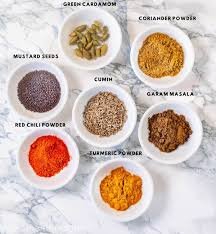
Indian cooking isn’t about the number of spices you throw into the pan; it’s about how you use a select few foundational elements to build layers of flavor. Today, we are stripping away the intimidation factor. We have curated the ultimate, budget-friendly essential Indian spices list for beginners. With just these seven powerhouse ingredients, you can confidently cook over 80% of everyday Indian dishes—from comforting dals to vibrant vegetable sabzis and rich chicken curries.
The Overwhelm Myth: Why You Don’t Need a Complex Masala Dabba
Walk into any traditional Indian household, and the kitchen counter will likely feature a gleaming masala dabba. Inside, you’ll find seven small cups containing a vibrant kaleidoscope of colors and textures. It looks beautiful, but for a beginner, it sets a deceptively high bar.
Many people assume that to unlock authentic flavor profiles, they need to buy out the entire spice aisle. This misconception leads to what we call “Spice Rack Guilt”—a cupboard full of expensive, exotic jars like mace, star anise, and stone flower that you used exactly once for a complex Sunday recipe and then left to lose their aroma over the next two years.
[ Beginner's Trap ] ──> Buy 25+ complex whole spices ──> Confused ratios ──> Muddy, bitter flavors

[ Minimalist Path ] ──> Master 7 core pantry staples ──> Clean execution ──> Authentic, bright taste
The magic of Indian cuisine lies in a technique called tadka (tempering) and the art of spice layering. It is about chemistry, not quantity. When you drop a spice into hot oil, you are releasing fat-soluble volatile compounds that infuse the entire dish from the base up. If you mix twenty different compounds at once without knowing how they interact, they cancel each other out, resulting in a generic, bitter taste.
By starting with a minimalist spice setup, you learn the distinct personality of each ingredient. You learn exactly what cumin brings to a hot pan, how turmeric behaves under heat, and why coriander powder acts as a thickener. Once you master this core foundation, expanding your pantry becomes secondary nature.
The “Magnificent 7”: Your Essential Indian Spices List for Beginners
Let’s dive into the core lineup. These seven spices are your kitchen workhorses. They are highly versatile, universally accessible, and budget-friendly. If you have these on your shelf, you have an all-access pass to everyday Indian cooking.
1. Cumin Seeds (Jeera)
If an Indian savory dish is going onto the stove, chances are high that cumin seeds are going into the oil first. These tiny, canoe-shaped, earthy-brown seeds are the foundational bedrock of North and South Indian cooking alike.
- The Flavor Profile: Warm, earthy, slightly nutty, with a distinctly smoky undertone when fried.
- What it Contributes: Cumin seeds provide the aromatic anchor for your hot oil base. When they hit medium-hot oil, they sizzle, crackle, and release a deep, savory fragrance that forms the characteristic backdrop of Indian kitchens.
- How Beginner Cooks Use It: Used whole at the very start of cooking (tadka). Drop half a teaspoon into hot oil or ghee before adding onions and garlic. It is the star ingredient in classic Jeera Rice and everyday yellow Dal Fry.
2. Mustard Seeds (Rai / Sarso)
While cumin rules the smoky, earthy domain, mustard seeds bring a sharp, bright, nutty pop to the table. For this minimalist rack, look for small black or dark brown Indian mustard seeds, which are entirely different in flavor from Western yellow mustard.
- The Flavor Profile: Pungent, sharp, and nutty, turning deeply savory and popping open when toasted.
- What it Contributes: Mustard seeds act as little textural flavor bombs. When fried properly until they pop, their initial bitterness transforms into a rich, nutty flavor that cuts through starchy ingredients and rich coconut milk bases.
- How Beginner Cooks Use It: Essential for South Indian cooking. You toss them into hot oil alongside curry leaves to temper simple vegetable stir-fries (poriyals), coconut chutneys, and lemon rice.
3. Turmeric Powder (Haldi)
The golden child of modern wellness trends has been a non-negotiable cornerstone of Indian cooking for thousands of years. Turmeric is less about dramatic taste and more about warmth, preservation, and iconic color.
- The Flavor Profile: Mildly earthy, woodsy, and slightly bitter if tasted raw, but smooth and warm when cooked.
- What it Contributes: Beyond giving dishes their famous, appetizing golden hue, turmeric acts as a subtle flavor binder. It bridges the gap between sharp spices like chili and deep earthy spices like cumin. It also has natural anti-microbial properties, which is why it’s heavily used in marinades.
- How Beginner Cooks Use It: Use it sparingly—a quarter to a half teaspoon is usually more than enough for an entire pot. Always cook it in oil or moisture along with your base ingredients; adding raw turmeric at the very end of a dish leaves a harsh, medicinal, bitter aftertaste.
💡 Pro Tip: A little goes a long way. Too much turmeric won't make your curry look "prettier"—it will just make it taste like bitter chalk!
4. Coriander Powder (Dhania Powder)
If cumin and chili are the loud, flashy stars of a dish, coriander powder is the unsung hero working tirelessly in the background to hold everything together. Milled from whole dried coriander seeds, this powder is a massive component of our essential Indian spices list for beginners.
- The Flavor Profile: Citrusy, sweet, floral, and incredibly mild.
- What it Contributes: Because of its high fiber and starch content, coriander powder acts as a natural thickening agent for curries. It absorbs liquid, binds with the oil, and creates that luscious, cling-to-your-spoon gravy texture. Flavor-wise, its bright, cooling citrus notes balance the heat of red chilis.
- How Beginner Cooks Use It: Added mid-way through the cooking process, usually mixed with turmeric and chili powder right after your onions, ginger, and tomatoes have softened into a paste. Use it in a 2:1 ratio against chili powder for a perfectly balanced curry base.
5. Indian Red Chili Powder (Lal Mirch)
Let’s clear up a major supermarket confusion: Western “chili powder” is often a spice blend containing oregano, garlic, and cumin (meant for chili con carne). Indian red chili powder is 100% pure, ground hot peppers.
- The Flavor Profile: Sharp, fiery heat with variations of fruitiness depending on the specific pepper used.
- What it Contributes: It provides the signature heat and vibrant red color that characterizes iconic Indian curries. It stimulates the palate and elevates all the other savory elements in the pan.
- How Beginner Cooks Use It: Added along with coriander powder into the wet masala base. If you are worried about overwhelming heat, look specifically for Kashmiri Red Chili Powder. It offers a stunning, bright crimson color with a fraction of the spice level of standard cayenne or regular Indian chili powder.
6. Garam Masala
Purists might argue that including a spice blend on a minimalist list is cheating, but for a beginner, a high-quality, pre-blended garam masala is a complete lifesaver. “Garam Masala” translates literally to “warm spice mix.” It is a powdered combination of sweet, aromatic spices like cinnamon, cardamom, cloves, black pepper, and nutmeg.
- The Flavor Profile: Highly aromatic, sweet, pungent, woody, and intensely warming.
- What it Contributes: It acts as the ultimate aromatic finisher. Because it is made of delicate whole spices that lose their beautiful scents under prolonged boiling, it provides a final burst of fresh, complex fragrance right as a dish finishes cooking.
- How Beginner Cooks Use It: Never fry garam masala at the start of a dish. Instead, sprinkle a tiny pinch (about a quarter teaspoon) over your curries, dals, or meat dishes during the last two minutes of simmering, then pop a lid on the pot to trap the steam and infuse the aroma.
7. Asafetida (Hing)
Asafetida is the wildcard of the Indian pantry. Raw in its jar, it smells aggressively pungent, almost like concentrated onions and sulfur. But don’t let that scare you away. The moment it hits hot cooking oil, a kitchen miracle occurs.
- The Flavor Profile: Deeply savory, mimicking the complex umami notes of slow-cooked leeks, garlic, and onions.
- What it Contributes: Hing adds an unmistakable, mouth-watering savory background note to vegetarian cooking. It mimics the richness of alliums and is traditionally used to aid digestion, making it a mandatory pairing for heavy lentils and cruciferous vegetables.
- How Beginner Cooks Use It: Use a tiny, microscopic pinch—literally the tip of a butter knife. Drop it into hot oil right alongside your cumin or mustard seeds at the absolute beginning of your cook.
The Master Cheat Sheet: What Each Core Spice Unlocks
To make your kitchen workflow completely seamless, here is a quick-reference table summarizing your new minimalist rack:
| Spice Name (English/Hindi) | Form | Primary Role in the Pan | Best Cooking Partner |
| Cumin Seeds (Jeera) | Whole | Earthy foundational base | Yellow Dals, Potatoes, Rice |
| Mustard Seeds (Rai) | Whole | Nutty, popping accent flavor | Coconut Curries, Cabbage, Chutneys |
| Turmeric Powder (Haldi) | Powder | Color, warmth, and flavor binder | Every Indian dish imaginable |
| Coriander Powder (Dhania) | Powder | Thickening gravies & cooling heat | Tomato-onion paste bases |
| Red Chili Powder (Lal Mirch) | Powder | Vibrant color & custom heat level | Marinades, Meat curries, Sabzis |
| Garam Masala | Powder | Fragrant aromatic finishing note | Sprinkled at the very end of cooking |
| Asafetida (Hing) | Powder | Allium-like umami & digestion aid | Lentils, Chickpeas, Dry potato stir-fry |
Beyond the Basics: The Next 3 Spices to Level Up Your Pantry
Once you have spent a few weeks experimenting with the “Magnificent 7” and feel completely comfortable controlling your kitchen’s heat and flavor profiles, you might get the itch to expand your culinary horizons.
You don’t need to go out and buy twenty new items. To unlock entirely new categories of regional Indian cuisine, you only need to add these next three specific spices to your collection:
[ Level 1: Core 7 ] ──> Comfort food, everyday dals, basic curries
         │
         ▼
[ Level 2: Add 3 ]  ──> Restaurant-style textures, complex tang, elite garnishes
1. Green Cardamom (Choti Elaichi)
This is your entry point into the world of rich, aromatic whole spices. Green cardamom pods carry an incredibly refreshing, sweet, eucalyptus-like aroma.
- Why you need it next: It unlocks the ability to make authentic Indian desserts (like Kheer or Halwa), masala chai from scratch, and festive rice dishes like cardamon-scented pulaos. Toss 2–3 gently crushed pods into your hot oil base for a touch of restaurant-style luxury.
2. Kasoori Methi (Dried Fenugreek Leaves)
If you have ever wondered why your homemade curries taste perfectly fine, but lack that intoxicating, addictive aroma found at your favorite local Indian restaurant, this herb is the missing link.
- Why you need it next: It is the definitive secret ingredient behind Butter Chicken, Paneer Tikka Masala, and rich North Indian gravies. You take a tablespoon of these dried crinkly leaves, rub them vigorously between your palms to release their oils, and crush them over a simmering curry right at the end of cooking.
3. Amchur (Dry Mango Powder)
Indian cuisine relies heavily on a perfect balance of heat, salt, and acid. While fresh lime juice and tomatoes are great common acids, dry mango powder (made from sun-dried green mangoes) brings a unique, sharp, fruity tang without adding unwanted liquid.
- Why you need it next: It is the key to mastering dry street-food-style vegetable stir-fries, tangy Chana Masala (chickpeas), and the zesty stuffings inside paranthas.
Conclusion: Shop Smart, Cook Simple
Building a functional, inspiring kitchen isn’t about collecting as many ingredients as possible; it is about building confidence with a reliable, streamlined toolkit. By focusing on this essential Indian spices list for beginners, you save money, prevent kitchen cabinet clutter, and most importantly, you remove the creative friction that stops so many people from exploring the gorgeous world of South Asian cooking.
The next time you pull out a pan to cook, don’t worry about the complex ingredients a recipe claims you “must” have. Stick to your core seven, focus on getting your tempering right, respect the cooking times of your powders, and let the simple, clean, authentic flavors speak for themselves.
See Also
The Ultimate English to Hindi Indian Grocery Translation Guide
List of Spices | 60 Spices Names in English and Hindi | Spices Vocabulary | मसालों के नाम | Spices