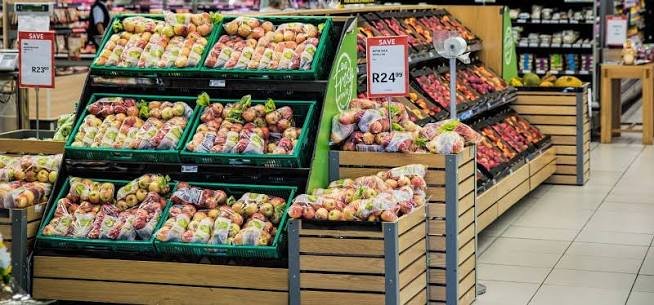

Picture this: You are standing in the middle of a bustling, aromatic Indian grocery store. You haven’t still read this article on Indian Grocery Items List in English and Hindi. Your favorite food blogger’s recipe is pulled up on your phone, demanding “pigeon peas,” “clarified butter,” and “all-purpose flour.” You look up at the shelves, completely blanking out. The store uncle is staring at you, waiting for your order, and all you see are burlap sacks filled with variations of yellow lentils and mysterious powders.
If you are an expat navigating an Indian supermarket for the first time, a non-Hindi speaker who just shifted to Delhi or Mumbai, or a beginner cook trying to decipher your grandmother’s handwritten recipes, you already know the pain. Ingredient translations are arguably the single biggest roadblock in Indian cooking.
The truth is, Indian culinary traditions don’t care about standard English botanical names. In an everyday Indian kitchen, language changes every few hundred kilometers, and the local kirana (mom-and-pop) store operates on a completely different vocabulary. Missing a translation doesn’t just mean a wasted trip to the market; it means buying maida when you needed atta, ending up with flat, dense rotis instead of fluffy ones.
To fix this once and for all, we have built the internet’s most comprehensive, foolproof Indian grocery items list in English and Hindi. Bookmark this page, save it to your home screen, and never look lost in a grocery aisle again.
The Master Translation Table: Your Ultimate Kirana Companion
To keep things organized, we have broken this master Indian grocery items list in English and Hindi into the four essential pillars of the Indian pantry: Lentils & Pulses, Spices & Herbs, Flours, and Whole Grains.
1. Lentils, Pulses, and Split Peas (The Dal Section)
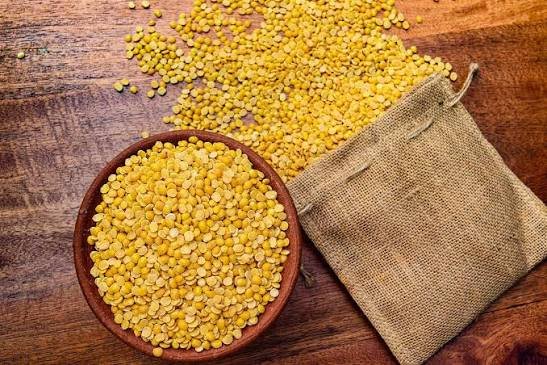
If there is one section that drives everyone absolutely crazy, it’s the dal aisle. To the untrained eye, five different types of yellow split lentils look identical. However, using the wrong one changes the cooking time and the entire texture of your dish.
Here is how to decode them at your local market:
| English Name | Hindi Name (Devanagari) | Common Local Alternative / Notes |
| Pigeon Peas / Yellow Split Peas | Toor Dal / Arhar Dal (तूर दाल) | Tuvar Dal, Sambhar Dal |
| Split Skinless Mung Bean | Moong Dal Dhuli (मूंग दाल धुली) | Yellow Moong Dal |
| Whole Green Gram | Sabut Moong (साबुत मूंग) | Hari Moong, Green Moong |
| Split Skinless Black Gram | Urad Dal Dhuli (उड़द दाल धुली) | White Urad Dal (Used for Idli/Dosa) |
| Split Black Gram with Skin | Urad Chilka (उड़द छिलका) | Black Split Dal |
| Whole Black Gram | Sabut Urad (साबुत उड़द) | Maa Ki Dal, Dal Makhani Beans |
| Bengal Gram / Split Chickpeas | Chana Dal (चना दाल) | Baby Chickpeas |
| Garbanzo Beans / White Chickpeas | Kabuli Chana (काबुली चना) | Chole Beans, Safed Chana |
| Brown Chickpeas | Kala Chana (काला चना) | Desi Chana |
| Red Lentils (Split) | Masoor Dal (मसूर दाल) | Orange Lentils |
| Whole Red Lentils | Sabut Masoor (साबुत मसूर) | Brown Lentils |
| Black Eyed Peas | Lobia / Chawli (लोबिया) | White Rongi |
| Kidney Beans | Rajma (राजमा) | Chitra Rajma (Speckled), Jammu Rajma (Dark Red) |
| Green Peas (Dried) | Hari Matar (हरी मटर) | Safed Matar (White variant available) |
| Turkish Gram / Moth Beans | Moth Dal (मोठ दाल) | Matki |
2. Essential Spices, Herbs, and Seasonings (The Masala Box)
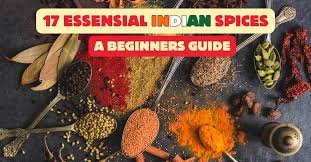
Indian cuisine is world-famous for its complex flavors, which come entirely from the masala dabba (spice box). Buying these whole or ground requires knowing their local market names, as English names like “asafoetida” will draw blank stares from local shopkeepers.
| English Name | Hindi Name (Devanagari) | Common Local Alternative / Notes |
| Cumin Seeds | Jeera (जीरा) | Sabut Jeera |
| Coriander Seeds | Sabut Dhania (साबुत धनिया) | Dhana |
| Coriander Powder | Dhania Powder (धनिया पाउडर) | Ground Coriander |
| Turmeric Powder | Haldi (हल्दी) | Ground Turmeric |
| Asafoetida | Hing (हींग) | Giant Fennel Resin (Compounded powder) |
| Mustard Seeds (Small/Black) | Rai (राई) | Indian Black Mustard |
| Mustard Seeds (Large/Brown) | Sarso (सरसों) | Yellow Sarso is also common |
| Fenugreek Seeds | Methi Dana (मेथी दाना) | Whole Methi |
| Dried Fenugreek Leaves | Kasuri Methi (कसूरी मेथी) | Fragrant herb topper |
| Fennel Seeds | Saunf (सौंफ) | Variyali (Often used as a mouth freshener) |
| Carom Seeds / Thymol Seeds | Ajwain (अजवाइन) | Bishop’s Weed |
| Black Pepper / Peppercorns | Kali Mirch (काली मिर्च) | Whole or Powdered |
| Cardamom (Green) | Choti Elaichi (छोटी इलायची) | Hari Elaichi |
| Cardamom (Black) | Badi Elaichi (बड़ी इलायची) | Moti Elaichi |
| Cloves | Laung (लौंग) | Whole Cloves |
| Cinnamon Sticks | Dalchini (दालचीनी) | Cassia Bark (Most common commercial type) |
| Mace | Javitri (जावित्री) | Nutmeg Outer Lacy Coating |
| Nutmeg | Jaiphal (जयफल) | Whole Seed |
| Star Anise | Chakri Phool (चक्र फूल) | Badian |
| Bay Leaf (Indian) | Tej Patta (तेज पत्ता) | Malabathrum Leaf (Different from European Bay) |
| Black Stone Flower | Dagad Phool / Kalpasi (दगड़ फूल) | Pathar Ka Phool |
| Nigella Seeds / Onion Seeds | Kalonji (कलौंजी) | Black Cumin (Often confused) |
| Dry Mango Powder | Amchur (अमचूर) | Tangy souring agent |
| Tamarind | Imli (इमली) | Raw paste or block |
| Dry Ginger Powder | Saunth (सोंठ) | Sonth Powder |
| Saffron | Kesar (केसर) | Zafran |
| Caraway Seeds | Shah Jeera (शाह जीरा) | Shahi Jeera (Thinner, darker than regular cumin) |
| Poppy Seeds | Khas Khas (खसखस) | White Poppy Seeds |
| Sesame Seeds | Til (तिल) | Safed Til (White), Kala Til (Black) |
3. Kitchen Flours and Baking Ingredients (The Atta & Flours Section)
Grabbed the wrong bag of white powder? We’ve all been there. In western supermarkets, you look for “all-purpose” or “whole wheat.” In India, structural differences in the grain milling process mean you need highly specific terms to avoid a kitchen disaster.
| English Name | Hindi Name (Devanagari) | Common Local Alternative / Notes |
| Whole Wheat Flour | Atta (आटा) | Gehun Ka Atta (For Rotis/Chapatis) |
| All-Purpose Flour / Refined Flour | Maida (मैदा) | White Flour (For Naan/Parotas) |
| Gram Flour / Chickpea Flour | Besan (बेसन) | Chana Atta |
| Semolina / Cream of Wheat | Sooji / Rawa (सूजी / रवा) | Rava |
| Rice Flour | Chawal Ka Atta (चावल का आटा) | Used for crisping and South Indian snacks |
| Corn Flour / Cornstarch | Corn Flour / White Makai Atta | Used as a thickening agent |
| Maize Flour (Yellow) | Makki Ka Atta (मक्के का आटा) | Used for Makki Ki Roti |
| Pearl Millet Flour | Bajra Atta (बाजरा आटा) | Winter gluten-free flour |
| Sorghum Flour | Jowar Atta (ज्वार आटा) | Healthy ancient grain flour |
| Finger Millet Flour | Ragi Atta / Mandua (रागी आटा) | Nachni Flour |
| Water Chestnut Flour | Singhara Atta (सिंघाड़ा आटा) | Used during religious fasting (Vrat) |
| Buckwheat Flour | Kuttu Ka Atta (कुट्टू का आटा) | Fasting flour |
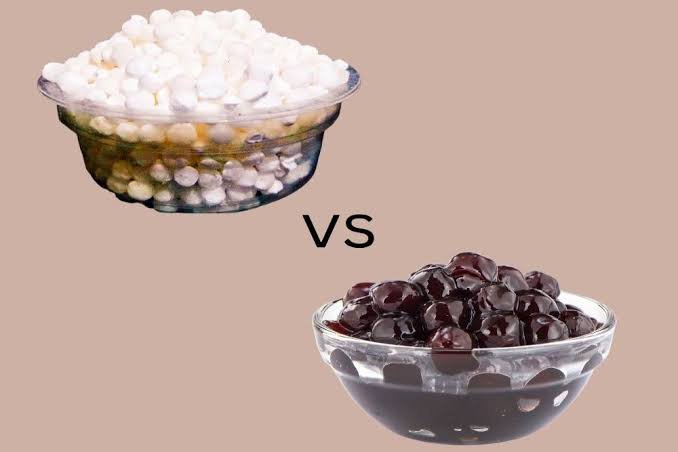
| Tapioca Pearls / Sago | Sabudana (साबूदाना) | Tapioca starch balls |
4. Whole Grains, Cereals, and Pantry Staples
Beyond your standard long-grain rice, an authentic Indian grocery list contains multiple processing styles of staple grains. From flattened rice to puffed grains, this section forms the core energy source of the daily Indian diet.
| English Name | Hindi Name (Devanagari) | Common Local Alternative / Notes |
| Broken Wheat | Dalia (दलिया) | Bulgur wheat alternative |
| Flattened Rice / Flaked Rice | Poha (पोहा) | Chiwda, Atukulu |
| Puffed Rice | Murmura (मुरमुरा) | Lai, Kurmura, Mamra |
| Clarified Butter | Ghee (घी) | Desi Ghee |
| Jaggery | Gur (गुड़) | Unrefined cane sugar |
| Rock Sugar | Mishri (मिश्री) | Sugar crystals |
| Sago / Tapioca Pearls | Sabudana (साबूदाना) | Great for breakfast pilafs |
| Vermicelli | Seviyan (सेवइयां) | Semolina or wheat threads |
| Puffed Lotus Seeds | Makhana (मखाना) | Fox Nuts (Popular healthy snack) |
| Parboiled Rice | Ukda Chawal (उकड़ा चावल) | Used for making soft idli batter |
Smart Pronunciation Tips: How to Talk to Your Local Kirana Shopkeeper
Now that you have your Indian grocery items list in English and Hindi, let’s talk strategy. Walking into an old-school Indian kirana store is a unique sensory experience. There are no shopping carts, barcodes, or neatly labeled aisles. You stand at a counter and call out your order to the shopkeeper, who zips around pulling packages from floor-to-ceiling shelves.
To get exactly what you need without getting a confused stare, use these street-smart linguistic hacks:
Avoid the “Dictionary Accent”
Many language apps translate words perfectly but fail phonetic reality. Focus on the hard consonants.
- Dal: Don’t pronounce it like the American name “Doll.” It’s a soft “Daa-l” (rhymes with the word “pal” spoken with a soft ‘th’ sound behind your teeth).
- Jeera: It’s a sharp, quick “Jee-rah.”
- Atta: Pronounce it with a heavy emphasis on the double ‘T’ — “Ah-t-tah.”
Use the Magic Units: “Aadha Kilo” and “Ek Kilo”
Most old-school grocery shopkeepers think natively in metric weight systems rather than packs or lbs. Memorize these simple quantity phrases:
- 250 grams: Pao or Ek Pao (एक पाव)
- Half a Kilogram: Aadha Kilo (आधा किलो)
- One Kilogram: Ek Kilo (एक किलो)
- Two Kilograms: Do Kilo (दो किलो)
“Dhuli” vs. “Chilka” vs. “Sabut”
When ordering lentils, these three words change your entire destiny:
- Sabut (साबुत): This means the grain is whole and unpeeled (e.g., Sabut Moong is the intact green bean).
- Chilka (छिलका): This means the lentil is split, but the skin is still attached (e.g., Moong Chilka).
- Dhuli (धुली): Literally meaning “washed.” This signifies the bean is split and the skin has been completely removed (leaving it skinless and smooth).
Why Grocery Terminology Fails in Western Translations
Have you ever wondered why translating an Indian grocery items list in English and Hindi is so inherently messy? It comes down to botany versus culinary utility.
Western culinary terms often group ingredients by their global biological genus. For example, “chickpeas” covers everything from the large cream-colored Mediterranean variety to the tiny, dense black seeds grown in Rajasthan. But in Indian cuisine, those two items function like entirely separate planets.
Take a look at the breakdown of a single family, the humble chickpea:
                  [ The Chickpea Family ]
                             |
         +-------------------+-------------------+
         |                                       |
   [Kabuli Chana]                          [Kalan Chana]
  (White/Garbanzo)                        (Desi/Brown)
         |                                       |
(Used whole in Chole)                    (Split & De-husked)
                                                 |
                                            [Chana Dal]
                                                 |
                                         (Ground into flour)
                                                 |
                                              [Besan]
If you look at this path, a recipe calling for Besan is technically asking for chickpea flour. But if you walk into a store and buy flour milled from Kabuli Chana (white garbanzo), your pakoras will fall apart in hot oil. The structural properties, moisture retention, and starch density are completely different. This is why having an exact cross-referenced translation guide isn’t just a nice convenience—it’s an absolute culinary safety net.
Conclusion & Your Free Printable PDF Cheat Sheet
Mastering the local names of your favorite pantry staples takes a little practice, but it completely transforms how you cook and shop. Instead of feeling restricted to expensive, pre-packaged imported supermarket sections, you can confidently wander into any local market or neighborhood kirana store and source fresh, authentic ingredients at a fraction of the cost.
To make your next shopping trip completely stress-free, we have turned this entire guide into a beautiful, pocket-sized shopping cheat sheet.
📥 [Click Here to Download Your Free Printable English-to-Hindi Grocery PDF Guide]
Print it out, stick it on your fridge, or save it directly to your smartphone’s files app. The next time a recipe calls for an unfamiliar ingredient, or you find yourself staring down a wall of unlabeled spice bins, you’ll have the exact phrase you need right at your fingertips. Happy shopping and happy cooking!
See Also
Grocery items Name || किराना का सामान || Daily used vocabulary
Minimalist Spice Rack: The Only 7 Spices an Indian Kitchen Beginner Needs