
In almost every Indian household, a steel container or a plastic pouch of fermented batter sitting in the refrigerator is an absolute lifesaver. Whether it is a hectic Monday morning school rush, a lazy Sunday brunch, or a late-night hunger pang, a hot, fluffy idli or a crispy, golden dosa is just a few minutes away. It is the ultimate culinary safety net for busy families.
But let’s talk about that moment of hesitation we have all experienced. You open the fridge, pull out the container of batter that’s been sitting there for a few days, and look at it suspiciously. It looks a bit puffy, it smells noticeably sharper, and you find yourself wondering: Is this still safe to use, or will it turn into a culinary disaster?
If you are constantly guessing about food safety and shelf life, you are not alone. In this comprehensive kitchen guide, we will answer the age-old question: how long does idli dosa batter last in fridge, break down the differences between homemade and store-bought packs, teach you the foolproof smell test, and share smart storage hacks to keep your batter fresh for days. Let’s dive right in!
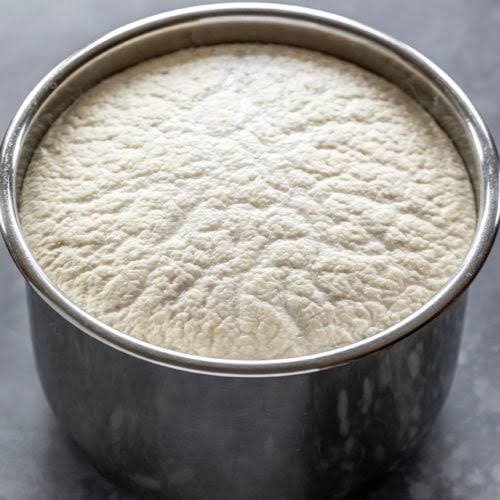
Homemade Batter vs. Store-Bought Batter: The Fermentation Battle
Before we talk about exact timelines, it is important to understand that not all batters are created equal. The shelf life of your batter depends heavily on how it was made, handled, and packaged.
Homemade Batter: The Pure, Live Culture
When you soak, grind, and ferment your rice and urad dal at home, you are creating a completely natural, live ecosystem. You aren’t adding any artificial preservatives or stabilizing agents. Because it contains wild, active lactobacillus bacteria and yeast from your immediate environment, homemade batter continues to ferment slowly even when kept inside a cool refrigerator. It is fresher, tastes more authentic, but has a shorter, more volatile shelf life.
Store-Bought Packaged Batter: The Standardized Mix
Brands like ID Fresh, MTR, or your local dairy pack commercial batters in specialized facilities. These commercial mixtures are often prepared under strictly controlled temperatures and packaged in breathable, gas-release pouches to prevent them from bursting due to carbon dioxide buildup. Many commercial brands also use specific strain cultures and temperature-shocks to slow down excessive fermentation. Consequently, an unopened store-bought packet often enjoys a more predictable lifespan than its homemade counterpart.
How Long Homemade Idli Dosa Batter Lasts in the Fridge
For homemade preparations, the golden rule for peak freshness is 3 to 5 days, though it can stretch up to 7 days under optimal storage conditions.
[Timeline of Homemade Batter Freshening]
Days 1-2: Peak Idli Quality (Sweet, mild, thick consistency)
Days 3-4: The Sweet Spot (Great balance, ideal for fluffy Uttapams)
Days 5-7: Peak Dosa Quality (Sour, thin, crisps up beautifully)
Day 8+: Proceed with Caution (Overly sour, watery, potential spoilage)
Here is how the quality shifts over a week:
- Days 1 to 2 (The Idli Phase): This is when your freshly fermented mix is at its absolute best. It has a mild, pleasant aroma, a thick, airy structure, and low acidity. This is the prime time to steam your soft, pillowy idlis.
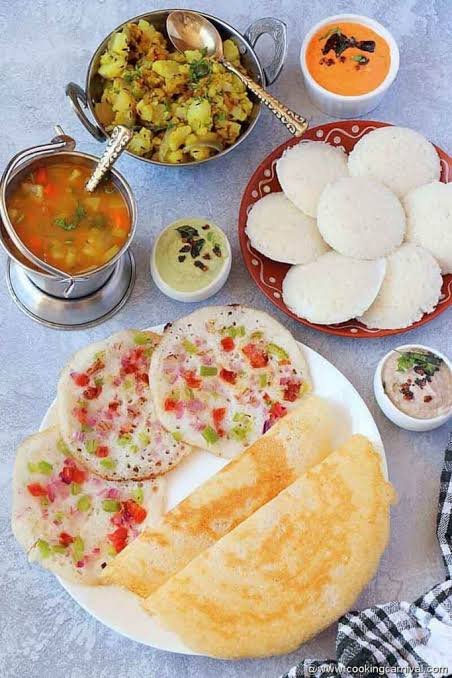
- Days 3 to 5 (The Transition Phase): The mixture slowly loses a bit of its thick fluffiness as the starch breaks down. It develops a slightly tangy taste. While it might not yield the softest idlis anymore, it becomes absolutely perfect for spreading thin, crispy dosas or making thick, onion-laden uttapams.
- Days 6 to 7 (The Dosa Edge): By this point, the batter will taste distinctly sour and appear a bit watery. You can still easily fry up excellent, restaurant-style golden-brown dosas, as the higher acid content helps with beautiful browning and crisping on the tawa. However, past day 7, the quality drops rapidly, and the risk of spoilage rises.
How Long Store-Bought Batter Lasts After Opening
If you prefer buying ready-made commercial packs, your timeline shifts slightly based on the manufacturer’s instructions.
- Unopened Pouch: An unopened ready-made bag will easily last until the printed “Use By” or “Best Before” date on the back of the packet—which is typically 5 to 7 days from the manufacture date, provided it has been kept continuously refrigerated at the store and at home.
- Once Opened: The moment you snip open that plastic pouch, external air, moisture, and kitchen bacteria enter the mix. Once opened, you should ideally finish the commercial product within 2 to 3 days.
Kitchen Tip: Never store leftover packaged batter inside its original plastic pouch once opened. Cut open the bag, transfer the entire contents into a clean, air-tight stainless steel or glass container, seal the lid tightly, and place it back into the fridge immediately.
Signs the Batter Has Gone Bad: The Ultimate Inspection Guide
Using spoiled ingredients won’t just ruin your breakfast; it can also cause digestive discomfort or food poisoning. Before pouring a ladleful onto your hot tawa, run it through these four sensory checks.
1. The Smell Test (The Most Reliable Indicator)
A healthy fermented rice-and-lentil mix should smell pleasantly tangy, clean, and mildly fruity—very similar to fresh yogurt or mild sourdough bread. If you open the container and are hit by a sharp, pungent, alcohol-like, or acetone smell (resembling nail polish remover), it means the wild yeast has over-fermented the sugars. If it smells foul, putrid, or cheesy, throw it away immediately.
2. The Color and Texture Check
Freshly ground grains are pristine white or light cream in color. As it ages or gets contaminated, you might notice:
- A dull, grayish, or yellowish tint on the top layer.
- A watery, completely separated texture where the liquid on top looks pinkish or cloudy.
3. The Bubble Behavior
While fine, active micro-bubbles are a great sign of healthy aeration, a bad batch will often exhibit an excessive, frothy, beer-like foam on top that continuously bubbles up even when cold. This indicates that wild, unwanted yeasts have taken over the mixture.
4. Visible Mold Growth (The Ultimate Red Flag)
If you see tiny black, green, or white fuzzy spots appearing on the surface of the batter or along the inner rim of your container, do not just scoop out the moldy part and use the rest. Mold roots run deep through liquid mediums. Discard the entire batch immediately to keep your family safe.
Why Does Idli Dosa Batter Become So Sour?
Have you ever wondered why a mixture that tasted perfectly balanced on Sunday morning becomes intensely sour by Thursday evening, even inside a cold fridge?
The answer lies in simple microbiology. Fermentation is driven by Lactic Acid Bacteria (LAB) and natural yeasts. These microscopic helpers feed on the carbohydrates and sugars present in the rice and urad dal, converting them into lactic acid, carbon dioxide, and alcohol.
While placing the container inside a refrigerator (ideally at or below 4°C) severely slows down these microorganisms, it does not stop them completely. They continue to slowly munch away at the sugars day and night, gradually increasing the lactic acid concentration. This continuous chemical reaction is precisely why the tanginess scales up automatically over time.
Can You Still Make Dosa from Sour Batter? Natural Quick Fixes
If your mixture has crossed the “idli stage” and tastes quite sour, but shows absolutely no signs of actual spoilage (no foul odor, no mold), do not throw it out! Indian home cooks have developed brilliant, time-tested hacks to neutralize excess acidity and balance the flavors perfectly.
- The Rice Flour Trick: Add 2 to 3 tablespoons of fresh, dry rice flour (chawal ka atta) or fine semolina (rava) directly into the sour batter. Mix thoroughly with a splash of water if needed. The fresh starch dilutes the high acid concentration, restores the thick pouring consistency, and makes your dosas incredibly crispy.
- The Alkaline Pinch: Add a tiny, cautious pinch of baking soda (sodium bicarbonate) along with a teaspoon of sugar just before frying. The alkaline baking soda chemically neutralizes the acidic taste, while the sugar balances the flavor profile and helps the crepe brown beautifully.
- The Flavor Masking Upgrade: Transform the plain mixture into a savory, spiced batter. Throw in a handful of finely chopped onions, grated carrots, minced green chillies, fresh coriander, ginger, and a classic tadka of mustard seeds and curry leaves. Fry them up as thick, savory Uttapams or crispy Gunpunta (Paniyaram)—the pungent spices completely mask the sour notes!
How to Store Batter in Summer vs. Winter
India’s drastic seasonal changes play a massive role in how food behaves. Adjusting your kitchen workflow according to the weather outside will help you maximize your shelf life.
Storing in Extreme Indian Summers
The blistering heat of Indian summers (April to July) accelerates fermentation like crazy.
- Reduce Counter Time: Do not leave your freshly ground paste out on the kitchen counter overnight. In peak summer, 4 to 6 hours during the day is more than enough to achieve a good rise. The moment it expands slightly and smells lightly tangy, pop it straight into the back of the fridge.
- Avoid the Door Shelf: Never store your container on the refrigerator door shelves. The door experiences constant temperature drops every single time someone opens it to grab cold water, causing the mixture to sour rapidly. Store it on the colder, middle or top internal shelves instead.
Storing in Cold Winters
During chilly winters, getting your mix to rise at all can be a massive struggle.
- Extend Fermentation: You will need to leave the container out on the counter for 12 to 15 hours, or keep it inside a closed, dark space like a switched-off microwave oven next to a cup of warm water.
- Salt Management: Avoid mixing salt into the entire batch before winter fermentation, as salt acts as a natural inhibitor and slows down the already sluggish yeast cells. Add salt only to the portion you pull out to cook with.
Can Idli Dosa Batter Be Frozen?
Yes, absolutely! If you love meal prepping or live alone and cannot finish a large batch within a week, freezing is an excellent option. When frozen correctly at -18°C, the active cultures enter a state of complete hibernation, allowing the mix to preserve its quality for up to 1 month.
How to Freeze Correctly:
- Divide into Portions: Never freeze a massive 2-liter container as a single block. You cannot thaw and re-freeze a batch repeatedly without ruining its texture. Instead, divide the fresh, newly-fermented mix into smaller, single-meal-sized airtight, freezer-safe containers or silicone zip-pouches.
- Leave Headroom: The liquids inside will expand slightly as they freeze into solid ice. Always leave about an inch of empty headspace at the top of your storage container to prevent the lid from popping off.
- The Thawing Process: When you are ready to feast, transfer one frozen container from the freezer to the main refrigerator compartment the night before to let it thaw slowly. If you are in a rush, place the sealed container into a large bowl of room-temperature water for an hour. Bring it fully to room temperature and give it a vigorous whisk before pouring it onto the tawa.
FAQs
Q1: Why does my homemade batter turn gray or black on top after a few days?
Ans: This color change is caused by surface oxidation. When the surface of the mixture comes into prolonged contact with air inside a partially empty container, it discolors. To prevent this, always store your mix in containers that match the volume of the liquid, or press a sheet of clean parchment paper or plastic wrap directly onto the surface of the liquid before closing the lid to seal out air.
Q2: Is it safe to eat idlis made from 10-day-old refrigerated batter?
Ans: It is highly unadvised. Even if there is no visible mold, a 10-day-old mix has likely developed high levels of wild yeasts, volatile alcohols, and undesirable bacterial sub-cultures. Idlis made from such old mixtures will turn out flat, rubbery, intensely sour, and hard to digest, potentially causing stomach cramps or bloating.
Summary & Smart Kitchen Storage
Managing your fresh staples doesn’t have to involve guesswork. By keeping your cold storage set to a crisp 4°C, sectioning your batches out logically, and using clever culinary additions when things get a bit too tangy, you can enjoy delicious, comforting South Indian breakfasts all week long without any waste.
Curious about how long other kitchen essentials last in your pantry, or looking to brush up on your organization skills? Feel free to read our ultimate guides on ginger-garlic paste shelf life, check out our breakdown on garam masala expiry, or dive into our master manual on smart kitchen storage to build a highly efficient, waste-free home!
What is your absolute favorite way to upgrade a sour batch of batter at your home? Do you prefer onion uttapams or spicy paniyarams? Let us know your brilliant kitchen hacks in the comments below!
See Also
Chef on How to Store Idli Batter for Long Time
How Long Does Homemade Ginger-Garlic Paste Last? (And How to Extend It)