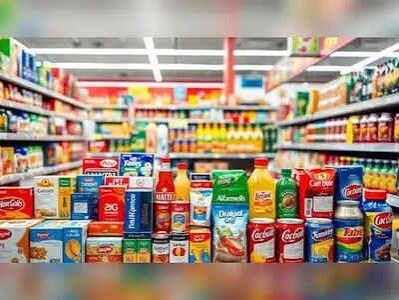

Quick Answer: Basic Kirana Shelf Arrangement Rules
Optimizing your kirana store shelf arrangement is one of the most effective ways to boost sales, speed up customer service, and reduce dead stock without increasing shop space. In Indian retail, store layout directly impacts customer purchasing decisions.
A high-converting kirana store shelf arrangement follows these core product placement rules:
- Eye-Level (The Gold Zone): Place high-margin items, branded snacks, packaged spices, and premium personal care products between 4 to 5 feet from the ground.
- Touch & Grab Level (3 to 4 feet): Place popular daily-use items, mid-range staples, and fast-moving consumer goods (FMCG).
- Bottom Shelves & Floor: Reserve for heavy bulk stock like 10kg/26kg atta bags, rice sacks, large edible oil tins, and bulk detergent packs.
- Checkout Counter (Impulse Zone): Display chocolates, gums, small biscuit packs, single-serve candies, battery cells, and seasonal sachets.
- Entrance & Façade: Feature high-demand daily staples (milk, bread, eggs) or attractive promotional displays to draw foot traffic into the shop.
+-----------------------------------------------------------------------+
|                       KIRANA STORE LAYOUT MAP                         |
+-----------------------------------------------------------------------+
|  [ ENTRANCE & FRONT FACADE ]                                         |
|  * Daily Fresh Items: Milk crate, Bread, Eggs                         |
|  * High-Margin Display: Hanging Chips, Hanging Shampoo Sachets        |
+-----------------------------------------------------------------------+
|  [ ZONE 1: HIGH VISIBILITY - Eye Level (4 - 5 ft) ]                   |
|  * High-Margin Packaged Goods, Branded Biscuits, Premium Spices       |
+-----------------------------------------------------------------------+
|  [ ZONE 2: MEDIUM VISIBILITY - Waist Level (3 - 4 ft) ]               |
|  * Daily Staples, Popular Dal & Pulses, Mid-tier FMCG                 |
+-----------------------------------------------------------------------+
|  [ ZONE 3: LOW VISIBILITY - Bottom Shelves & Floor ]                  |
|  * Heavy Atta Bags (5kg/10kg), Rice Sacks, Bulk Edible Oils           |
+-----------------------------------------------------------------------+
|  [ CHECKOUT COUNTER / CASH DESK ]                                     |
|  * Impulse Buy Tray: Chocolates, Mints, Batteries, Small Snacks      |
+-----------------------------------------------------------------------+
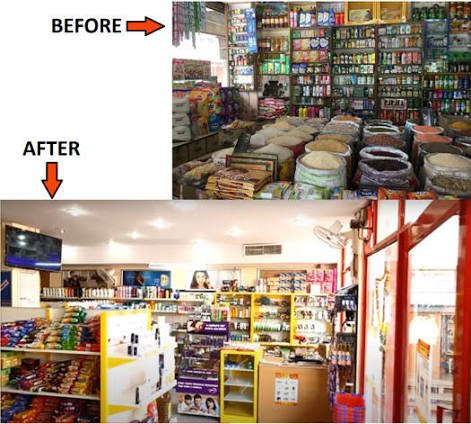
1. Divide the Shop into High-, Medium-, and Low-Visibility Zones
To structure your shop effectively, divide your retail space into three clear visual zones based on customer sightlines.
| Store Zone | Shelf Height / Location | Target Products | Customer Sightline & Purpose |
| Zone 1: High Visibility | 4 ft – 5.5 ft (Eye Level) | High-margin FMCG, premium biscuits, health drinks, packaged spices | Immediate visibility; drives impulse and high-profit purchases |
| Zone 2: Medium Visibility | 2.5 ft – 4 ft (Waist Level) | Daily staples, popular pulses, tea/coffee, standard soaps | Easy reach; items customers actively seek out |
| Zone 3: Low Visibility | Floor – 2.5 ft & Top Rack | Bulk atta, rice bags, heavy oil tins, slow-moving backup stock | High weight support; items bought deliberately by necessity |
Organizing your store using these three zones ensures that every square foot of shelf space generates maximum revenue per day.
2. What Should Be Placed Near the Entrance?
The entrance of your store forms the first impression and sets the tone for sales. In traditional counter-service kirana stores as well as modern self-service mini-marts, entrance space must balance high foot-traffic drivers with impulse display hangers.
Daily Essentials and Foot-Traffic Drivers
Items that customers purchase daily—such as fresh milk packets, bread, eggs, and curds—should be stationed either right near the entrance counter or clearly visible immediately upon approach. When customers drop by daily for milk or bread, placing complementary items nearby encourages extra sales.
Hanging Strip Displays (Ladi Packs)
Utilize the overhead entry space by hanging packet strips (ladis) of 5-rupee and 10-rupee snack packs, potato chips, mouth fresheners, and shampoo sachets. Hanging displays at the front entrance capture customer attention while they wait for their order.
3. What Belongs at Eye Level? (The Profit Zone)
In retail display theory, “Eye Level is Buy Level.” Products placed between 4 feet and 5.5 feet from the floor enjoy the highest visual pickup rate.
High-Margin FMCG and Premium Brands
Reserve eye-level shelves for products that offer higher profit margins. Instead of placing loose, low-margin staples at eye level, present:
- Branded breakfast cereals and health drinks (Horlicks, Bournvita)
- Premium cookies, gourmet snacks, and imported/packaged chocolates
- High-margin packaged spices (masalas) and ready-to-cook pastes
New Product Launches and Seasonal Items
When FMCG brands introduce new product variants, showcase them in the eye-level zone. Customers quickly spot new packaging when it sits directly within their line of sight.
4. Where to Place Fast-Moving Groceries
Fast-Moving Consumer Goods (FMCG) and core daily grocery items require strategic placement to speed up customer service during peak morning and evening hours.
+--------------------------------------------------------------------+
|               FAST-MOVING VS. HIGH-MARGIN PLACEMENT                |
+--------------------------------------------------------------------+
|  FAST-MOVING ITEMS (High Demand, Lower Margin)                      |
|  * Place at Waist/Reach Level (3 - 4 ft)                           |
|  * Place near main counter for rapid hand-over                    |
|  * Examples: Standard Biscuits, Popular Tea, Daily Cooking Oils    |
+--------------------------------------------------------------------+
|  HIGH-MARGIN ITEMS (Lower Frequency, Higher Profit)                |
|  * Place strictly at Eye Level (4 - 5.5 ft)                         |
|  * Bright, front-facing display to catch attention                 |
|  * Examples: Health Supplements, Premium Personal Care, Masalas    |
+--------------------------------------------------------------------+
Waist-Level Accessibility for Quick Pickup
Place fast-moving items like standard tea packets, popular bath soaps, washing powders, and everyday cooking spices at waist level (between 3 and 4 feet). Store owners and shop assistants can quickly pick up and pack these products without excessive bending or stretching, reducing service time per customer.
Grouping Fast-Movers Near the Billing Counter
In traditional Indian counter-format stores, store high-frequency fast-movers within arm’s reach of the main counter desk. This minimizes movement across the shop during peak hours.
5. Where to Place High-Margin Products
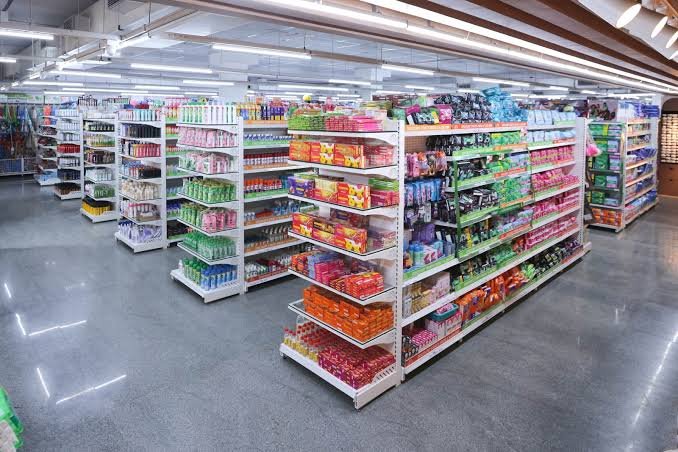
While fast-moving groceries bring steady foot traffic, high-margin items generate actual profitability. Boosting overall shop earnings requires displaying high-margin products prominently.
- Anchor Beside Fast Movers: Position high-margin premium brands directly adjacent to their popular fast-moving counterparts. For instance, place premium olive oil or mustard oil bottles right next to standard refined oils.
- Use Shelf Talkers and Bright Lighting: Highlight high-margin items with focused LED strip lighting or small printed price/offer tags to capture buyer focus.
- Cross-Merchandising: Place high-margin items next to related essentials—such as positioning high-margin pasta sauces right beside popular noodles or pasta packs.
6. Checkout-Counter Impulse Products
The area immediately surrounding your billing counter or cash desk is valuable retail real estate. Impulse buying at checkout can boost average transaction values by 10% to 15%.
+--------------------------------------------------------------------+
|                    CHECKOUT COUNTER IMPULSE ZONE                   |
+--------------------------------------------------------------------+
|  +--------------------------------------------------------------+  |
|  | [ Glass Display Tray ]                                       |  |
|  | - Chocolates & Toffees      - Chewing Gums & Mints           |  |
|  | - Battery Cells (AA/AAA)    - Pocket Tissues & Sanitizers    |  |
|  +--------------------------------------------------------------+  |
|  | [ Hanging Hooks / Side Racks ]                               |  |
|  | - Single-serve ORS Drink    - Small Biscuit Packs (Rs 5/10)  |  |
|  +--------------------------------------------------------------+  |
+--------------------------------------------------------------------+
High-Impulse Counter Categories
Items suitable for checkout-counter trays and display racks include:
- Chocolates, energy bars, and mints
- Small 5-rupee or 10-rupee biscuit and snack packs
- Batteries, small matchboxes, and lighters
- Pocket tissues, wet wipes, and hand sanitizers
- Single-serve beverage packs or ORS drinks during summer months
Keep these items at point-of-sale areas where customers wait while their bill is calculated or packed.
7. Placement of Heavy Rice, Atta, and Oil Packs
Heavy, bulky items pose physical safety hazards if stored incorrectly and can damage lightweight shelving systems. Proper placement is essential for ergonomics and safety.
Floor and Bottom Shelf Storage
- Atta Bags (5kg, 10kg, 20kg): Store flat on heavy-duty bottom platforms or wooden pallets raised slightly above the floor to protect against dampness.
- Rice Sacks & Sugar Bags: Stack vertically along the lower base racks or dedicated back-store storage areas.
- Edible Oil Tins & 5L Cans: Store on floor-level steel racks designed to handle high load weights.
Keep heavy items off middle and upper shelves to prevent rack sagging, maintain structural stability, and avoid worker strain.
8. Separating Food, Cleaning, and Personal-Care Products
Cross-contamination is a major health risk in grocery storage. Strong fragrances from chemical cleaners can taint food items if kept in close proximity.
+--------------------------------------------------------------------+
|                    PRODUCT CATEGORY SEPARATION                     |
+--------------------------------------------------------------------+
|  [ SECTION A: FOOD PRODUCTS ]                                      |
|  * Rice, Atta, Pulses, Spices, Teas, Snacks, Packaged Foods        |
|                                                                    |
|  ======= CLEAR PHYSICAL SEPARATION / AISLE DISTANCE =======        |
|                                                                    |
|  [ SECTION B: NON-FOOD & CHEMICAL CLEANERS ]                       |
|  * Detergents, Floor Cleaners, Phenyl, Toilet Cleaners, Insecticides|
|                                                                    |
|  ======= SEPARATE SHELF OR AISLE SECTION =======                   |
|                                                                    |
|  [ SECTION C: PERSONAL CARE & HYGIENE ]                            |
|  * Soaps, Shampoos, Toothpastes, Cosmetics, Sanitary Items         |
+--------------------------------------------------------------------+
Standard Category Partitioning Rules
- Keep Chemical Cleaners Dedicated: Store floor cleaners, detergents, dishwashing bars, and pest-control sprays in a separate cabinet or rack away from food products like flour, pulses, tea, and spices.
- Isolate Personal Care: Keep soaps, shampoos, skin creams, and hair oils on dedicated shelves separate from dry food items to prevent fragrance transfer.
- Group Edible Items Together: Keep all food products—pulses, rice, packaged snacks, and beverages—strictly grouped together within clean, moisture-free sections.
9. Arrangement for a Very Small Shop
In compact Indian kirana shops (100 sq ft to 250 sq ft), space optimization is vital. Efficient organization allows small stores to maintain high inventory levels cleanly.
Vertical Space Optimization
- Wall Racking Up to the Ceiling: Install vertical wall shelves right up to the ceiling line. Place low-demand or bulk overstock on higher tiers and use a sturdy step stool to access them.
- Hanging Strip Arrays: Hang strips of sachets along side pillars, wall edges, and counter borders to utilize vertical air space.
- Under-Counter Storage Containers: Use modular sliding drawers or pull-out bins underneath front counters to store loose items or back stock safely.
10. Seasonal and Festival Displays
Indian retail demand shifts significantly around festivals and changing seasons. Adjusting product displays for key occasions drives impulse buying.
+--------------------------------------------------------------------+
|                    SEASONAL DISPLAY STRATEGY                       |
+--------------------------------------------------------------------+
| FESTIVAL / SEASON     | FRONT DISPLAY FOCUS                        |
+-----------------------+--------------------------------------------+
| Diwali & Dhanteras    | Gift packs, sweets boxes, dry fruit trays, |
|                       | puja oil, diyas, premium ghee             |
+-----------------------+--------------------------------------------+
| Holi                  | Colors (gulal), snack packs, packaged      |
|                       | beverages, thandai mixes                   |
+-----------------------+--------------------------------------------+
| Summer Season         | Cold beverages, instant drinks (Rasna,     |
|                       | Glucon-D), ice creams, prickly heat soaps  |
+-----------------------+--------------------------------------------+
| Monsoon Season        | Tea, coffee, soup packets, crispy snacks,  |
|                       | mosquito repellents                       |
+-----------------------+--------------------------------------------+
Reorganize your entrance feature display 10 to 14 days before major festivals to highlight relevant seasonal items.
11. Stock Rotation and Expiry Checks (FIFO Method)
Proper shelf layout must incorporate active inventory control to minimize product spoilage and financial loss.
First-In, First-Out (FIFO) System
Always stock shelves using the First-In, First-Out (FIFO) methodology:
- When fresh stock arrives, move older inventory forward to the front of the shelf.
- Place new stock behind older items so that products closer to expiry sell first.
          [ BACK OF SHELF ]              [ FRONT OF SHELF ]
          +-----------------+            +-----------------+
          | NEWEST STOCK    | ---------> | OLDEST STOCK    |
          | (Far Expiry)    |            | (Near Expiry)   |
          +-----------------+            +-----------------+
                                                  |
                                                  v
                                          [ CUSTOMER PURCHASES ]
Regular Expiry Audit Schedules
Perform monthly shelf audits across high-risk categories like dairy, bread, packaged snacks, and cosmetics. Clear out or discount items that are within 30 days of expiry to recover costs promptly.
12. Common Shelf-Arrangement Mistakes to Avoid
Avoid these frequent store layout missteps:
- Overcrowding Shelves: Stuffed shelves look cluttered, make items hard to retrieve, and increase accidental product drops. Leave 15–20% open breathing space on each shelf.
- Mixing Chemicals with Dry Foods: Storing detergents alongside tea packets or flour bags risks chemical scent contamination.
- Hiding High-Margin Products: Hiding high-margin items on bottom racks or behind lower-profit brands reduces sales velocity.
- Inconsistent Price Tagging: Omitting price labels causes customer confusion and slows checkout times.
- Neglecting Bottom-Shelf Cleanliness: Dust accumulates quickly near floor levels in Indian conditions. Clean lower shelves weekly to keep products looking fresh.
13. Frequently Asked Questions (FAQs)
Q1. What is the best product placement strategy for a small kirana shop layout?
The best strategy uses vertical wall shelving, clear category separation (food vs non-food), placing fast-moving goods at waist level, and placing high-margin items at eye level (4–5.5 ft). Utilize hanging strip hangers (ladis) near the entrance to make full use of overhead space.
Q2. How can I increase impulse buys in my grocery shop in India?
Place high-margin impulse items like chocolates, mints, energy bars, and single-serve snack packs directly on or next to your billing counter. Ensure hanging snack packs are hung right at eye height near the shop entrance waiting area.
Q3. Where should heavy items like rice, flour, and oil be kept in a kirana store?
Store heavy items like 5kg/10kg flour bags, rice sacks, and edible oil tins on floor-level platforms, heavy-duty bottom shelves, or wooden pallets. This protects upper shelves from structural damage and makes handling safer.
Q4. What is the FIFO method in grocery store shelf arrangement?
FIFO stands for First-In, First-Out. It means placing older inventory with closer expiry dates at the front of the shelf while stocking newer items at the back. This ensures older stock sells first, reducing waste.
Q5. How often should I change my kirana store shelf layout?
Maintain a consistent core layout so regular customers can locate items easily. However, update your front entrance feature display every 2 to 4 weeks to reflect upcoming seasonal demands, festivals, or new promotional offers.
Implementing a systematic kirana store shelf arrangement helps speed up order packing, improves shop aesthetics, and maximizes sales performance. Organize your high-margin and fast-moving items thoughtfully to build an efficient, profitable retail operation.