
Picture this: It is 8:00 PM on a hectic weeknight. You walk into the kitchen exhausted after a long day at work, and the thought of standing over the counter to knead fresh wheat flour feels like climbing Mount Everest. But wait! You open your refrigerator, smile, and pull out a batch of leftover dough you prepped yesterday. You heat up the tawa, roll out a few discs, and puff up hot, pillowy chapatis in just under 10 minutes!
Sounds like a dream, right? Well, for many Indian households, it often turns into a culinary disappointment. Instead of fluffy, melt-in-your-mouth rotis, you end up with dry, dark, leather-like rubber discs that taste sour and refuse to puff up. If you have been struggling with hard leftover dough, don’t worry—you are definitely not alone. The secret lies in understanding how to make atta dough soft for next day cooking through proper hydration, moisture retention, and smart fridge storage.
In this comprehensive guide, we will walk you through the science behind flour oxidation, exact water ratios, fat-sealing tricks, container selection, and step-by-step restoration methods so your next-day phulkas remain as soft, fragrant, and fluffy as freshly kneaded ones!
Why Atta Dough Becomes Hard, Black, and Dry in the Fridge
To master how to make atta dough soft for next day meals, we must first understand what actually happens when wheat flour sits inside a cold refrigerator overnight. It boils down to three major culprits: gluten tightening, retrogradation, and enzymatic oxidation.
1. Moisture Loss and Dehydration
Refrigerators are essentially giant dehumidifiers. Cold air holds much less moisture than ambient room air, causing continuous evaporation from any exposed food. When you store uncovered or loosely wrapped whole wheat flour dough, the cold circulating air pulls water right out of the outer skin. This results in that pesky, hard, crusty layer on top that ruins your rolling process.
2. Gluten Stiffening and Temperature Drop
Whole wheat flour (chakki fresh atta) contains two key proteins: gliadin (which gives dough elasticity) and glutenin (which gives structure and strength). When kneaded with water, these proteins form a stretchy gluten matrix. However, when exposed to low temperatures (below 4°C or 39°F), this gluten network contracts and hardens. Cold dough loses its stretchability, making it spring back aggressively when you try to roll it out.
3. Enzymatic Browning (Oxidation)
Have you ever noticed your leftover dough turning a dark greyish-black color after 24 hours? That is caused by natural enzymes (polyphenol oxidase) present in the bran and germ of whole wheat flour reacting with oxygen. Oxidation does not necessarily mean the dough has spoiled, but it makes the chapatis look unappetizing and affects their surface texture. Understanding these causes is the first step when learning how to make atta dough soft for next day rotis.
Best Water Ratio & Temperature for Kneading Soft Atta Dough
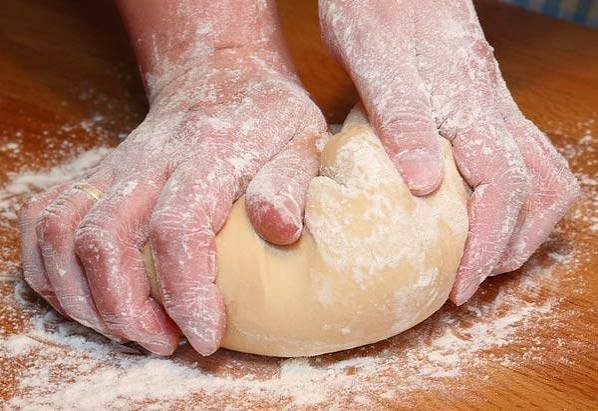
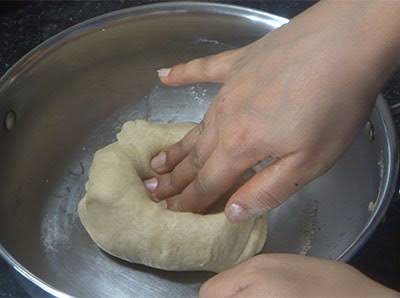
The foundation of long-lasting soft chapatis starts right at the kneading stage. If you do not hydrate your wheat flour properly from the beginning, no amount of fridge magic will save it tomorrow. Knowing how to make atta dough soft for next day use depends heavily on your liquid-to-flour balance.
The Golden Flour-to-Water Ratio
As a golden rule of thumb for standard Indian whole wheat flour (like Ashirvaad, Fortune, or traditional stone-ground chakki atta):
- 2 Cups Whole Wheat Atta (approx. 250g): Requires 1 Cup Water (approx. 240ml).
- This translates to roughly a 1:0.5 or 50–55% hydration level by volume, depending on the bran content of your flour. High-fiber or multi-grain atta absorbs even more moisture and may need an extra 2 to 3 tablespoons of water.
Why You Should Always Use Warm Water or Milk
Never knead your dough with ice-cold water or plain cold tap water if you plan to store it overnight!
- Lukewarm Water (40°C – 45°C): Warm water relaxes the gluten strands instantly, allowing starch granules to absorb moisture faster and deeper into the protein structure. This deep hydration keeps the dough hydrated even after hours in cold storage.
- Warm Milk Blend: Replacing 30% to 50% of your kneading water with lukewarm whole milk works wonders. The fats and natural sugars (lactose) in milk bind with flour particles, locking in moisture and ensuring soft rotis the next day.
When you master the hydration balance, you unlock the key to how to make atta dough soft for next day cooking without extra effort.
Should You Add Oil or Ghee When Kneading Atta Dough?
A common debate in Indian kitchens is whether fat should be added during or after kneading. When learning how to make atta dough soft for next day preparation, incorporating healthy fats is non-negotiable!
Fats as Moisture Barriers and Gluten Softeners
Adding fat acts as a natural lubricant. Fat coats the gluten proteins, shortening the gluten chains (hence the term “shortening”). This prevents the gluten from tightening into a dense, chewy matrix, ensuring your phulkas remain tender and pliable.
How to Apply Oil/Ghee Correctly:
- During Kneading (Moyan): Add 1 teaspoon of vegetable oil, mustard oil, or melted ghee per cup of wheat flour right at the start. Mix it into the dry flour before pouring water. This creates an even fat distribution throughout the dough.
- After Kneading (The Protective Seal): Once your dough ball is completely smooth, pour 1/2 teaspoon of ghee or oil onto your palms and smooth it over the entire outer surface. This oil coating forms a protective barrier, preventing cold fridge air from leaching out moisture. This double-fat method is a proven trick on how to make atta dough soft for next day use.
How Long to Rest Atta Dough Before Storing in the Fridge
Patience is key! A common mistake busy home cooks make is dumping freshly kneaded dough straight into a storage container and shoving it into the refrigerator immediately. If you want to know how to make atta dough soft for next day rotis, you must allow a proper bench-rest period at room temperature first.
The Science of Resting (Autolysis)
When you finish kneading, the gluten network is highly agitated, stretched, and tense. Resting allows the flour starches to fully swell and absorb every drop of water, while letting the gluten strands relax into a supple state.
- Ideal Resting Duration: Leave your kneaded dough covered with a damp kitchen towel at room temperature for 20 to 30 minutes before refrigerating.
- What Happens During Resting: The dough becomes noticeably smoother, softer, and less sticky. Kneading warm dough and immediately chilling it creates unwanted internal condensation inside the container, leading to sticky, slimy dough surfaces. Resting ensures uniform temperature stabilization, making it an essential technique for how to make atta dough soft for next day baking.
Best Containers and Wrapping Techniques for Storing Atta Dough
You have kneaded with warm water, added ghee, and rested your dough. Now comes the critical line of defense: choosing the right storage vessel. The vessel you choose plays a huge role in how to make atta dough soft for next day cooking without dark patches or hard crusts.
1. Airtight Glass Containers (The Best Choice)
High-borosilicate glass containers (like Pyrex or Lock & Lock) with silicone-sealed snap lids are the ultimate gold standard. Glass is completely non-reactive, non-porous, and holds temperature steadily without absorbing food odors or leaching harmful chemicals into your dough.
2. Stainless Steel Dabbas with Tight Lids
Traditional Indian stainless steel containers work wonderfully well because steel cools down quickly in the fridge. Just ensure the lid fits snugly. If the lid feels loose, cover the container mouth with cling wrap before pressing the lid down.
3. Cling Wrap & Aluminium Foil Double-Barrier Method
If you want 100% protection against grey oxidation and crusting, wrap your smooth, ghee-coated dough ball tightly in food-grade plastic cling film or beeswax wrap, making sure zero air pockets remain inside. Then place this wrapped ball inside your airtight container.
Kitchen Hack for Zero Oxidation: Place a damp (not dripping wet) paper towel or muslin cloth over the top of the dough ball inside your container before shutting the lid. This creates a high-humidity microclimate inside the box—a favorite pro secret when figuring out how to make atta dough soft for next day meals!
How Long Does Atta Dough Last in the Fridge Safely?
While mastering how to make atta dough soft for next day meal prep saves tons of time, dough does not have an infinite shelf life in the refrigerator.
- Optimal Window: 24 to 36 hours. Dough used within this timeframe yields rotis that are virtually indistinguishable from fresh dough.
- Maximum Safe Window: Up to 48 hours (2 days) if stored at or below 4°C (39°F) in an airtight container.
- Beyond 48 Hours: Natural wild yeasts and lactic acid bacteria present in the flour will start fermenting the dough. While not toxic immediately, the dough will taste sour, lose structural strength, turn sticky, and turn dark grey. Knowing these timelines ensures you always succeed when practicing how to make atta dough soft for next day family dinners.
How to Soften Cold Atta Dough Before Rolling Rotis
So it’s the next day! You pull your cold container out of the fridge, and the dough feels firm and chilly. Do NOT try to roll cold dough immediately! Cold dough will crack at the edges, stick to the rolling board (chakla), and produce hard, cardboard-like phulkas.
Here is the step-by-step restoration routine on how to make atta dough soft for next day rolling success:
Step 1: The 20-Minute Room Temperature Acclimation
Remove the dough container from the fridge at least 20 to 30 minutes before you start cooking dinner. Keep the lid closed so it warms up naturally without losing surface moisture.
Step 2: The Warm Water/Ghee Knead (Re-conditioning)
Once the dough comes back to room temperature, open the box. Apply 3 to 4 drops of warm water or a tiny dab of ghee on your hands and gently knead the dough for just 60 seconds. This re-activates the gluten, restores elasticity, and makes it velvety smooth again!
Step 3: The Microwave Quick-Thaw Method (Emergency Fix)
In a rush and can’t wait 30 minutes? Place your cold dough ball in a microwave-safe bowl, cover it with a damp paper towel, and microwave on DEFROST mode or 30% power for 10 to 15 seconds max. Be careful—do not cook the dough! This quick trick is a lifesaver when you need to know how to make atta dough soft for next day rush-hour meals.
Signs Your Stored Atta Dough Has Gone Bad
Before rolling out rotis from leftover dough, always do a quick safety check. Never consume dough that shows the following warning signs:
- Sour or Alcoholic Odor: A sharp, pungent fermentation smell like yeast or alcohol indicates bacterial overgrowth.
- Slimy or Sticky Texture: If the dough leaves a gooey residue on your fingers even after flouring, the starch-protein network has degraded.
- Blackish-Green Mold Spots: Specks of green, white, or black mold mean it must be discarded immediately.
- Excessive Sour Taste: If your cooked chapati tastes sharp or acidic, discard the batch.
Checking your flour freshness guarantees that your experiments with how to make atta dough soft for next day chapatis remain hygienic and delicious.
Common Mistakes That Make Next-Day Rotis Hard
Avoid these common kitchen errors to master how to make atta dough soft for next day phulkas every single time:
- Kneading with Cold Water: Cold water prevents starch gelatinization, making dough tough after refrigeration.
- Skipping the Rest Period: Storing dough immediately without a 20-minute bench rest leaves gluten tense and unyielding.
- Using Uncovered Containers: Storing dough on a plate or in a bowl with a loose lid causes instant surface dehydration.
- Rolling Cold Dough: Forcing cold dough onto the rolling pin ruins the texture and causes cracked edges.
- Dusting Too Much Dry Flour (Parat/Dry Atta): Excessive dry flour during rolling absorbs moisture from the dough disc and burns on the tawa, producing dry, stiff, white-coated rotis.
- Cooking on Low Flame: Cooking rotis on low heat dries out moisture slowly. Always cook on medium-high to high flame so steam expands quickly inside the chapati, causing it to puff up soft!
Fixing these small habits completely changes the game when learning how to make atta dough soft for next day cooking.
Frequently Asked Questions (FAQs)
Q1: Can I freeze kneaded atta dough for next week?
Yes! You can freeze kneaded dough for up to 1 month. Portion the dough into meal-sized balls, wrap each tightly in plastic cling wrap, and store inside a freezer ziplock bag. Thaw overnight in the fridge before using. Freezing is another fantastic method when planning how to make atta dough soft for next day or next week meals.
Q2: Why does my dough turn grey in the fridge even in an airtight box?
Grey discoloration is caused by oxidation from natural enzymes (polyphenol oxidase) reacting with trapped air. To prevent this, coat the entire dough ball with a thin layer of ghee or oil, or wrap it tightly in cling wrap before sealing the container.
Q3: Is adding curd (dahi) good for making soft next-day dough?
Yes! Adding 1 to 2 tablespoons of fresh curd while kneading makes rotis super soft. However, curd accelerates fermentation, so curd-kneaded dough should be consumed within 24 hours of refrigeration.
Q4: How can I keep rotis soft after cooking for lunch boxes?
Apply a light spread of ghee on hot rotis as soon as they come off the tawa, then wrap them immediately in a breathable cotton cloth or food-grade foil before placing them in an insulated casserole box.
Conclusion: Enjoy Soft, Fluffy Rotis Every Single Day!
Prepping your whole wheat flour dough in advance does not mean you have to sacrifice the heavenly texture of fresh, soft, puffing phulkas. By understanding how to make atta dough soft for next day meal prep—using warm water, kneading in a dash of fat, resting before storage, sealing tightly in quality containers, and allowing proper room-temperature acclimation—you can enjoy soft rotis effortlessly even on your busiest days!
Looking for premium quality, stone-ground 100% whole wheat chakki atta, organic ghee, or kitchen storage containers? Visit Grocery-Bazaar.com for all your daily cooking essentials delivered right to your doorstep!
See Also
SOFT Roti/Chapati FOR BEGINNERS | DETAILED GUIDE On How To Make Indian Flatbread
Mastering Roti Perfection – How to Make Soft, Puffed Rotis Every Time
How to Keep Coriander Fresh in the Fridge for 2 Weeks: Indian Kitchen Method
How to Store Curry Leaves in the Fridge: Keep Kadi Patta Fresh for Weeks