
Have you ever sat down at a restaurant, taken a bite of a rich, deeply aromatic biryani or a smoky Maharashtrian curry, and realized there is a background flavor you just cannot pinpoint? It is not the heat of the red chili, nor is it the familiar sweetness of cardamom or cinnamon. It is something intensely earthy, woody, and fundamentally complex—a flavor that feels like a well-kept culinary secret. Yes, we are discussing the mystic word – What is Kalpasi called in Hindi
You go home, fire up your favorite food vlog, and copy down the recipe ingredients. Suddenly, you hit a brick wall. The recipe calls for a mysterious, paper-thin, moss-like ingredient called Kalpasi. Intrigued, you walk down to your local grocery store or look through your spice cabinet, completely stumped. What on earth is this ingredient? What does it look like, and how do you even ask the shopkeeper for it if you live outside of South India?
Ingredient naming confusion is one of the biggest headaches in Indian cooking. Because our culinary traditions are so beautifully diverse and deeply rooted in regional languages, a single spice can sound like a completely different item depending on which state line you cross. If you are struggling to trace this elite seasoning, don’t worry. Let’s break down the naming barrier once and for all.
The Quick Answer: Regional Names for Kalpasi
If you are standing in a grocery store aisle right now or scrolling on an e-commerce app trying to hit order, here is your quick linguistic cheat sheet:
The Quick Answer: The spice known as Kalpasi in Tamil is called Dagad Phool (पत्थर के फूल) in Hindi, and is globally recognized as Black Stone Flower in English.
Depending on where you are shopping in India or across the globe, here is how the exact same spice is labeled across different regions:
- Tamil: Kalpasi (கல்பாசி) or Marapasi
- Hindi: Dagad Phool (दगड़ फूल) or Patthar Ke Phool (पत्थर के फूल)
- English: Black Stone Flower, Stone Flower, or Parmotrema perlatum (its formal botanical name)
- Marathi: Dagadphool (दगडफूल)
- Telugu: Kallupachi (कल्लुपची) or Rathi Puvvu
- Kannada: Kallu Hoovu (कल्लु हूवु)
- Malayalam: Kalpasi (കൽപാസി)
What Exactly is Kalpasi (Black Stone Flower)?
Now that you know what is Kalpasi called in Hindi, let’s look at what this bizarre, beautiful spice actually is.
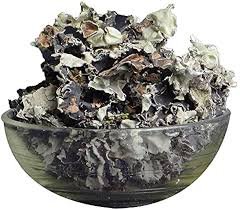
Unlike standard spices that come from seeds (like cumin), bark (like cinnamon), or roots (like ginger), Black Stone Flower is actually an edible lichen. It is a symbiotic combination of algae and fungi that grows completely naturally, without human cultivation, on the bark of ancient trees, rocks, and stones in undisturbed, unpolluted, high-altitude regions.
When you look at dry Kalpasi closely, it doesn’t look like a traditional culinary ingredient. It looks like a collection of delicate, crinkly, paper-thin shavings. It features a dual-tone appearance: a dark brown or jet-black underbelly with a dusty, light-green or silver-grey upper surface. It is incredibly lightweight, dry to the touch, and often arrives with tiny fragments of tree bark or stone dust still clinging to it—a testament to how it is harvested by hand in places like the Western Ghats and Ooty.
Because lichens are highly sensitive to air pollution, they only thrive in environments with pristine air quality. This makes Kalpasi a completely natural, wild-harvested wonder of the Indian spice ecosystem.
The Chemistry of Flavor: What Does Dagad Phool Taste and Smell Like?
If you open a fresh bag of dry Dagad Phool and take a deep sniff, you might find yourself underwhelmed. Raw, cold Kalpasi has almost zero aroma. It smells faintly of dry paper, wood, or a damp forest floor after a light rain. Many beginners make the mistake of tasting a tiny piece raw, only to find it completely flavorless and slightly leathery.
However, the magic of this edible lichen is unlocked through a process called thermal lipid extraction—which is just a fancy way of saying it needs to be fried in hot fat.
When you drop dry Black Stone Flower into medium-hot oil or ghee, a transformation occurs. The heat breaks down the complex lichen acids, releasing volatile aromatic compounds directly into the cooking medium. Within seconds, your kitchen will fill with an incredibly powerful, deeply comforting, and distinctly primal aroma.
- The Scent: Intense musk, old wood, damp earth, autumn leaves, and a subtle undertone of roasted wild mushrooms.
- The Taste Impact: It doesn’t add sharp heat or sweetness. Instead, it injects a profound, rounded, savory base note—essentially acting as a completely natural, plant-based form of umami. It binds the sharp notes of chilis and the sweet notes of cardamoms together, giving restaurant gravies that signature, lingering, full-bodied mouthfeel that keeps you reaching for another spoonful.
The Best Black Stone Flower Substitute Options
Because Kalpasi is wild-harvested and depends entirely on clean, high-altitude climates, it can occasionally be very difficult to track down. If you live outside of India, run a global kitchen, or find your local supermarket completely out of stock, you might need a reliable black stone flower substitute to save your recipe.
Let’s be completely candid: because Kalpasi is a lichen with a highly unique chemical profile, there is no single spice on Earth that perfectly replicates its exact flavor. However, depending on the type of dish you are making, you can use specific combinations of aromatic spices to mimic that missing warmth, depth, and woody complexity.
Here are the best strategic substitutes ranked by their effectiveness:
1. The Dynamic Duo: Star Anise + Mace (Best Overall Substitute)
If a recipe calls for a small handful of Kalpasi in a wet curry or gravy base, your best bet is to combine Star Anise (Chakra Phool) and Mace (Javitri).
- How it mimics Kalpasi: Star anise provides a deep, pungent licensing warmth, while mace brings a delicate, woody, highly aromatic punch. Together, they create a complex background matrix that keeps your gravy from tasting flat or missing a step.
- The Substitution Ratio: For every 1 tablespoon of dry Kalpasi your recipe requires, substitute with 1 small piece of Star Anise and half a blade of Mace. Fry them early in the oil along with your cumin seeds.
2. Whole Allspice Berries (Best for Earthy/Woody Notes)
Allspice berries (often confused with a blend, but actually a single dried berry from the Pimenta dioica tree) carry a flavor profile that combines cinnamon, nutmeg, cloves, and black pepper.
- How it mimics Kalpasi: It mimics the deep, comforting, woodsy forest notes of Dagad Phool quite well.
- The Substitution Ratio: Use 2 to 3 crushed whole Allspice berries for every tablespoon of missing stone flower.
3. Shiitake Mushroom Powder (The Umami Hack)
If you are making a vegetarian curry or dal and realize you need Kalpasi specifically for its savory, deep mouthfeel, look toward dried mushrooms.
- How it mimics Kalpasi: Ground dried shiitake mushrooms are packed with natural glutamates. While it won’t provide the exact floral-musk scent of stone flower, it replicates that exact savory, rich, full-bodied “restaurant-style” depth beautifully.
- The Substitution Ratio: Mix a quarter teaspoon of dried mushroom powder directly into your tomato-onion spice paste during the mid-stage of cooking.
4. Commercial Spice Blends (The Shortcut)
If you cannot find loose Kalpasi, look closely at the ingredient labels of pre-made regional spice powders at your local grocery shop.
- Where it hides: Kalpasi is a non-negotiable core ingredient in authentic Goda Masala or Kala Masala (from Maharashtra) and traditional Chettinad Masala (from Tamil Nadu). It is also frequently blended into high-quality, regional Mughlai Biryani Masala. Using these pre-made mixes means you get the benefit of stone flower without needing the raw ingredient.
Quick Reference: Substitutes at a Glance
To make your kitchen decisions quick and stress-free, use this comparison table to choose your black stone flower substitute:
| Substitute Choice | Best Used In | What Flavor It Captures | What It Misses |
| Star Anise + Mace | Biryanis, Rich non-veg gravies | Complex aromatic warmth, spice depth | The distinct damp-earth, mossy undertone |
| Allspice Berries | Roasted marinades, dry sabzis | Woody, warming, peppery background | The floral musk aroma |
| Shiitake Powder | Vegetarian Dals, Paneer curries | Deep savory umami, heavy mouthfeel | The authentic herbal fragrance |
| Goda / Chettinad Masala | Regional Maharashtrian & Tamil food | 100% authentic flavor profile | Hard to control individual spice ratios |
Iconic Indian Dishes That Rely Heavily on Kalpasi
To truly appreciate why people search so intensely for this spice, you need to see how it operates within traditional Indian culinary structures. It is rarely used as a standalone seasoning; instead, it acts as a silent enhancer in some of the country’s most celebrated flavor profiles.
                  [ The Three Culinary Pillars of Kalpasi ]
                                      |
         +----------------------------+----------------------------+
         |                            |                            |
[ Chettinad Cuisine ]         [ Maharashtrian Kala ]       [ Shahi Lucknawi ]
   (Tamil Nadu)                   (Western India)             (North India)
         |                            |                            |
Combines with fennel &        Roasted until blackened      Infused into slow-cooked
gongura to create fiery,      to create deep, smoky        yakhni stocks for elite
unmatched rustic depth.       everyday gravies.            aromatic Biryanis.
1. Tamil Nadu’s Pride: Authentic Chettinad Chicken Curry
Chettinad cuisine is famous for using freshly roasted, hand-ground spice pastes. A true Chettinad paste combines fennel seeds, black peppercorns, dry chilis, poppy seeds, and a generous handful of Kalpasi. Without stone flower, the curry tastes overwhelmingly sharp and fiery; with it, the heat is beautifully balanced by a smooth, woody, rustic foundation.
2. Maharashtra’s Secret: Kala Masala & Misal Pav
If you travel through Maharashtra, you will encounter Kala Masala (Black Spice Mix). The deep, smoky, dark color of this blend doesn’t come from artificial coloring or burnt ingredients—it comes from slow-roasting shredded dry coconut, sesame seeds, and large amounts of Dagad Phool until they take on a rich, dark hue before being milled into a fine powder. This forms the soulful base of iconic street foods like Misal Pav and regional Taambda Rassa (mutton broth).
3. The Royal Aisle: Awadhi and Hyderabadi Biryani
In royal Mughlai kitchens, chefs use a whole spice bouquet called a Potli Masala to flavor the water used for boiling rice or simmering meat stocks (Yakhni). A piece of Black Stone Flower is tied inside a muslin cloth alongside coriander seeds, vetiver roots, and bay leaves, gently steeping its musk-like perfume into every single grain of rice.
How to Store and Handle Stone Flower Like a Pro
Because Kalpasi is a delicate, paper-like botanical structure, it requires a slightly different care routine than your standard dense seeds or powdered spices. Use these simple storage rules to make sure your bag of Dagad Phool doesn’t lose its punch:
- Keep it Bone-Dry: Moisture is the absolute mortal enemy of edible lichens. If even a tiny drop of water gets into your storage container, the Kalpasi will quickly develop mold and spoil. Store it in a clean, airtight glass jar or plastic container in a cool, dark cupboard away from the steam of your stovetop.
- Do Not Crush in Advance: Keep the pieces whole until the moment they enter the pan. Crushing or grinding the lichen weeks in advance exposes more surface area to the air, causing its volatile aromatic oils to evaporate into thin air.
- The Picking Protocol: Because it is wild-collected from trees and mountain stones, always spread a handful of Kalpasi out on a clean white plate before cooking. Quickly check for and pick out any stray twigs, stubborn bits of dry pine needles, or tiny pebbles that might have hitched a ride into the package.
Conclusion: Don’t Let Complex Recipes Intimidate You
Cooking authentic Indian food is a continuous journey of discovery, and encountering unique, hyper-regional ingredients like Kalpasi is exactly what makes the process so rewarding. Now that you know exactly what is Kalpasi called in Hindi (Dagad Phool), how it operates in hot oil, and what strategic black stone flower substitute combinations to deploy when you’re in a pinch, you have everything you need to conquer your next complex recipe.
The next time you pull out a heavy-bottomed pot to build a stunning biryani or a smoky regional gravy, confidently reach for this ancient, forest-born lichen. Your tastebuds—and anyone lucky enough to share a seat at your dinner table—will thank you!
See Also
Pathar Ke Phool Kya Hota hai | Dagad Phool, Kalpasi, Stone Flower
The Ultimate English to Hindi Indian Grocery Translation Guide