
Imagine deciding to treat your family to a comforting, hot bowl of South Indian upma or a rich, glistening Sunday sheera. You open your grocery app or walk down to your local neighborhood market, and suddenly you are stared down by three different labels: Sooji, Rava, and Semolina.
You stand there scratching your head. Are they identical twins with different names? Is one healthier than the other? If you accidentally buy Semolina instead of Rava, will your breakfast turn into a sticky, clumpy disaster?
The debate over sooji vs rava vs semolina is one of the most common culinary confusions in Indian kitchens. Whether you are a beginner cook trying to decipher a recipe online or an experienced home chef staring at a supermarket shelf, getting the wrong packet can completely break your dish.
Let’s clear up the confusion once and for all. We will look at how these grains are made, explore why names change across different states, and learn exactly which grain size to choose for flawless results.
Are Sooji, Rava and Semolina the Same?
Let’s put your mind at ease right away: At their core, yes, they are fundamentally derived from the exact same source.
All three ingredients are made by milling the starchy endosperm of wheat kernels. When raw wheat is brought to a flour mill, it goes through a sequence of heavy rollers. The outermost layer (the fibrous husk or bran) is stripped away to leave behind the heart of the grain.
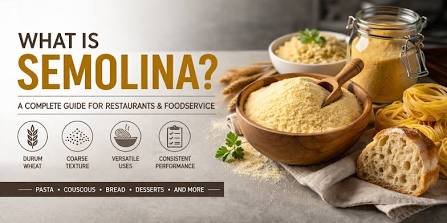
Instead of crushing this inner kernel entirely into fine, powdery wheat flour (maida or atta), the machines crack it into small, sandy, granular pieces.
- Semolina is the global, scientific botanical term for these coarse, purified middlings of wheat.
- Sooji (or Suji) is the North Indian Hindi term for these exact same wheat granules.
- Rava (or Ravan) is the South Indian term used across Karnataka, Tamil Nadu, Andhra Pradesh, Telangana, and Kerala for the identical product.
So, biologically speaking, when comparing sooji vs rava vs semolina, you are looking at the same family. However, the story doesn’t end there. While the origin story is identical, the texture, size, and specific wheat varieties used can vary dramatically, which alters how they behave in your cooking pot.
Why Names Differ Across India: The Linguistic and Regional Breakdowns
India’s incredible cultural and geographical diversity explains why a single ingredient carries multiple identities. The split isn’t just about language; it maps to distinct milling histories across regions.
The Northern Influence (Sooji)
In northern, central, and eastern parts of India, the word Sooji dominates the kitchen lexicon. Historically, the wheat grown in the fertile plains of Punjab, Haryana, and Uttar Pradesh is typically Aestivum (common bread wheat). When milled, it yields a slightly softer granule that absorbs water quickly, making it a perfect match for velvety sweets and instant batters.
The Southern Preference (Rava)
As you cross into the southern states, the vocabulary shifts entirely to Rava. In South Indian markets, “Rava” became an umbrella category for any ingredient broken down into a coarse, sandy consistency. That is why when you walk into a store in Bengaluru or Chennai, you will find a whole family of ravas:
- Godhumai Rava: Broken wheat (or daliya).
- Arisi Rava: Coarse ground rice crystals.
- Chiroti Rava: Super-fine wheat semolina.
The Western/Global Export (Semolina)
The term Semolina is an anglicized version of the Italian word semola, which means bran-free milled flour. On the international stage, authentic semolina is strictly milled from Durum wheat (Hard amber wheat). Durum wheat is exceptionally high in gluten and protein, giving it a yellow hue. It holds its shape perfectly when boiled, which is why it is the gold standard for Italian pasta, Moroccan couscous, and European puddings.
Fine Sooji vs. Coarse Rava: Breaking Down the Grind Sizes
This is where the practical kitchen differences matter. If you buy a packet simply labeled “Semolina” or “Sooji,” you must pay close attention to the particle size. The grind size determines how much moisture the grain absorbs and how long it takes to cook.
The Kitchen Rule: The finer the grind, the stickier and more cohesive the dish becomes. The coarser the grind, the more independent, fluffy, and granular the texture stays.
1. Coarse Semolina / Large Granules (Motia Sooji / Upma Rava)
This variety consists of larger, distinct crystals that look like coarse beach sand. It takes a little longer to hydrate and cook through. Because the grains stay separate even after absorbing boiling water, it yields a beautifully non-sticky, airy finish.
2. Fine Sooji / Medium Granules (Regular Sooji)
The standard, everyday variety found in most grocery stores. It is highly versatile and strikes a balance between absorbing liquids quickly while maintaining a gentle bite.
3. Super-Fine Semolina (Chiroti Rava / Zero-Size Sooji)
This is milled down until it is just a step above powder. It feels soft to the touch, almost like a texturized powdered sugar. It hydrates instantly upon contact with liquids and creates an incredibly smooth, elastic paste.
The Ultimate Culinary Match: Choosing the Best Type for Your Dish
To prevent your breakfast or dessert from turning into an unappetizing paste, let’s look at exactly which variety of sooji vs rava vs semolina you should select for classic Indian plates.
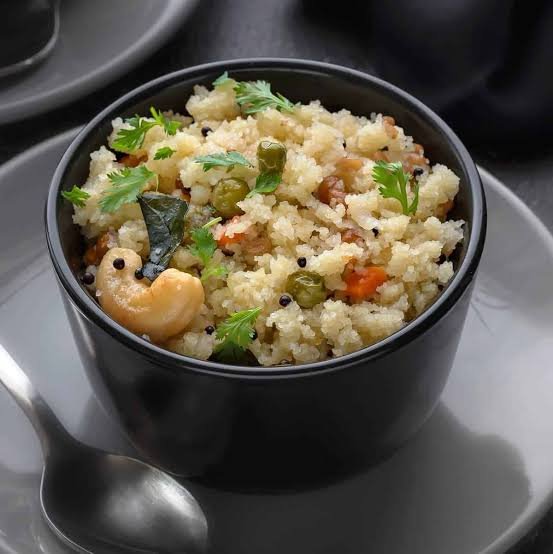
Best Type for Upma: Coarse Rava (Bombay Rava)
To cook a classic, fluffy Upma where the grains separate cleanly rather than lumping together, you need Coarse Rava (often sold as Bombay Rava or Upma Rava in supermarkets). The larger granules absorb water gradually without collapsing into a mushy puree.
Best Type for Halwa / Sheera: Medium to Fine Sooji
For a luxurious Suji Ka Halwa or Prasadacha Sheera, you want the dessert to melt in your mouth while retaining a rich texture. Regular Medium Sooji is the perfect choice here. It roasts evenly in ghee and swells into soft, velvety pockets when hot sugar syrup or milk is added.
Best Type for Rava Dosa: A Combination of Fine and Coarse
The secret to a paper-thin, lace-like, ultra-crispy Rava Dosa lies in your batter’s structure. You want to mix Coarse Rava (which provides structural stability and crunch) with a small amount of Chiroti Rava or Maida to help bind the watery batter so it doesn’t snap apart on the hot griddle (tawa).
Best Type for Rava Idli: Medium-Coarse Rava
Unlike regular rice idlis, Rava Idlis rely entirely on the wheat granules to build a soft, porous internal sponge. Choose Medium-Coarse Rava. Make sure to blend it well with sour curd and give it at least 15 minutes of resting time to ensure the crystals hydrate fully before steaming.
How to Store Sooji Without Insects: Practical Preservation
If you store a fresh packet of sooji in your pantry completely raw, you will likely find tiny black bugs (weevils) or web-like structures inside the container within a few weeks. Wheat semolina is highly susceptible to insect infestations because of its moisture content and natural fats.
Keep your ingredients fresh and bug-free with these simple pantry habits:
- The Dry Roast Method (The Gold Standard): As soon as you open a new store-bought packet, dump the grains into a heavy-bottomed pan. Dry roast them on a low flame for 4 to 5 minutes until they are warm to the touch and give off a very faint aroma. Do not let them turn brown! Let the grains cool down completely before pouring them into an airtight glass or plastic jar. This eliminates hidden moisture and neutralizes any microscopic insect eggs.
- The Refrigerator Hack: If you don’t have time to roast your grains, simply store the airtight container inside your refrigerator or freezer. The cold temperature stops insect development completely, keeping the grains fresh for up to six months.
- Add Bay Leaves: Dropping two or three dry bay leaves (tej patta) or a couple of cloves into your storage jar acts as a highly effective, natural insect deterrent.
Buying Tips From Local Kirana Stores
When navigating local kirana stores or online delivery apps, the labeling system can feel a bit fragmented. Use these simple tips to get exactly what you need:
- Look for Transparency: If buying loose or unbranded items from an open gunny bag at a local market, run your fingers through the grains. It should feel completely dry and pour like smooth sand. If it feels clumpy or leaves a dusty white residue on your palms, it has picked up ambient moisture or contains too much fine flour debris.
- Check the English Labels: If you are shopping on global import portals and can only find western terms, look for “Durum Semolina (Coarse)” for your upma, and “Semolina Flour (Fine)” for baking or quick sweets.
- Read the Packaging Date: Because of its natural oils, old semolina can go rancid and develop a distinctly bitter, stale smell. Always check the packaging date and try to purchase quantities that you can easily finish within two to three months.
Frequently Asked Questions
Is sooji healthier than maida?
Yes, absolutely. Maida (refined wheat flour) is stripped of almost all its fiber and heavily processed, which causes sudden spikes in your blood sugar. Sooji or Rava is a coarser, less-processed milling product that retains more nutrients, digests slower, and keeps you feeling full for longer.
Can I make pasta with regular Indian sooji?
You can, but it won’t have the same firm, chewy bite as Italian pasta. Indian sooji is typically milled from common soft wheat, which can get slightly mushy when boiled as pasta sheets. True Italian pasta requires authentic Durum Wheat Semolina for its high gluten strength.
What is Chiroti Rava used for?
Chiroti Rava is an ultra-fine grade of semolina. It is traditionally used in western and southern India to make delicate sweets like Chiroti, crispy outer layers for fried snacks like Guujia or Karanji, and smooth doughs for traditional flatbreads.
See Also
Difference between Sooji and Semolina
Is Sooji Rava Semolina A Whole Grain?
Monthly Grocery List for Indian Family of 4: Complete Kirana List with Quantity Guide
How Long Does Idli Dosa Batter Last in the Fridge? Storage, Smell Test & Safety Guide